

PPF boosts paint gloss by 20-40% with 95% light transmittance and <1.5% haze, retaining the factory finish’s natural luster.,Precise cutting around badges/logos.,Collaborate with Factory: Certified PPF, Strengthened Market Position.
The materials and technologies of PPF:
- Anti-fatigue toughness optimization technology: Through molecular chain elastic modification, the resilience and recovery ability of the membrane material after repeated cold and hot contraction and minor impacts are enhanced, reducing the relaxation deformation over long-term use.
- Thermal conductivity regulation: Optimizes heat transfer through the film to prevent paint overheating in direct sunlight, reducing thermal stress on clear coats.
- Self-healing temperature threshold optimization: Activates repair mechanisms at 30°C (vs. 40°C traditionally), enabling faster recovery in mild climates.
- Hydrophobic-hydrophilic bilayer design: Combines a superhydrophobic top layer (water contact angle >150°) and a hydrophilic sub-layer to prevent water spotting and improve cleaning efficiency.
- Smart damage detection layer: Embeds micro-sensors that interact with smartphone apps to alert users of hidden impacts or coating wear via subtle color shifts.
The market trends and industry changes of PPF:
- Consumer Education and Awareness – Social media campaigns and in-store demos are educating buyers on PPF benefits, with 72% of new luxury car owners now considering PPF as a must-have accessory.
- Ceramic-PPF Hybrid Kits – Pre-packaged ceramic coating PPF bundles now account for 25% of aftermarket sales, simplifying multi-layer protection for consumers.
- DIY vs. Pro Installation Split – 30% of entry-level PPF sales are DIY kits, while 90% of luxury films require professional installation for warranty validation.
- Automotive Designer Collaborations – PPF brands work with OEM designers to create pre-cut patterns for concept cars, ensuring seamless protection on unique contours.
- Personalization Trends in Aesthetics – Demand for matte finishes, colored PPF, and custom textures is surging, with TPU-based films offering UV-resistant, self-healing properties to meet consumer preferences for vehicle customization.
- Recyclable Packaging Mandates – 80% of PPF brands now use recycled cardboard and biodegradable film wrap for packaging, aligning with EU packaging laws.
- Subscription-Based PPF Services – Startups offer monthly PPF maintenance subscriptions, including cleaning and inspections, with 20% renewal rates after the first year.
- Cross-Industry Collaborations – Material suppliers (e.g., Lubrizol) are partnering with PPF manufacturers to develop specialized films for extreme climates, such as heat-resistant variants for desert regions.
- 3D Scanning and Custom Fitment – Laser-precut films using 3D vehicle scanning technology ensure seamless alignment, reducing installation time by 30% compared to traditional hand-cut methods.
- Competitive Pricing Pressures – Market saturation in North America and Europe is driving price reductions, with entry-level PPF options now 20% cheaper than premium products, appealing to cost-conscious consumers.
How TPU Redefines PPF:
- Quick Healing – TPU’s 24-hour scratch recovery redefined PPF from damage-accumulating films to self-renewing protectors maintaining appearance over time.
- EV Compatibility – Heat-resistant TPU redefined PPF from standard protectors to EV-specific solutions withstanding battery zone temperatures up to 120°C.
- Lightweight Shipping – TPU’s low density redefined PPF from high-freight-cost products to cost-efficient options reducing transportation emissions by 30%.
- Scratch Resistance – TPU’s 9H hardness topcoats redefined PPF from basic shields to high-wear solutions resisting key scratches and shopping cart impacts.
- Cost Predictability – TPU’s stable pricing redefined PPF from lumber-market-dependent products to cost-consistent options vs. wood or PVC alternatives.
- Flexibility Breakthrough – TPU’s 500% elongation redefined PPF from rigid covers to conformable films that hug complex vehicle contours without cracking.
The environmental protection and sustainability of PPF:
- Solar-Powered Recycling Facilities – PPF recycling plants using solar energy reduce processing emissions by 55% versus fossil-fueled facilities.
- LEED-Certified Factories – Manufacturing plants with LEED Platinum certification minimize energy, water, and waste impacts.
- Biochar-Infused TPU – Adding biochar (carbon-rich biomass) sequesters CO? in PPF, reducing net carbon impact by 15%.
- Reduced Paint Stripping Waste – By preserving original paint, PPF eliminates the need for paint stripping chemicals and associated hazardous waste.
- Solvent-Free Adhesives – Water-based adhesives eliminate VOC emissions during production and installation, meeting EU REACH and California CARB standards.
- Recycled Water in Production – Closed-loop water systems reuse 90% of process water, limiting freshwater withdrawals.
- Waste Heat Recovery – Capturing factory heat for water heating reduces natural gas use by 20% in manufacturing facilities.
- Electric Delivery Vans – Urban distribution uses EV fleets, reducing tailpipe emissions by 100% in city centers.
- Green Manufacturing Certifications – ISO 14001-certified facilities ensure PPF production follows environmentally responsible management systems.
Why TPU PPF:
- Minimal Waste – Pre-cut components reduce on-site cutting and material waste by 80%.
- Storm Resilience – Quick-disconnect accessories prevent damage during severe weather.
- Insurance Benefits – May lower premiums in fire-prone areas due to non-combustible materials.
- Sleek Aesthetics – Slim profile beams enhance visual appeal while maintaining structural integrity.
- Low Wind Load Impact – Aerodynamic designs reduce wind resistance compared to solid-roof structures.
- Non-Toxic Materials – Free from formaldehyde, arsenic, or other harmful chemicals in wood treatments.
- Global Availability – Manufactured worldwide, ensuring local supply chains and quick delivery.
- Cost Predictability – Fixed material costs avoid price fluctuations of lumber markets.
- Brand Consistency – Uniform finishes across commercial locations for brand identity.
The construction and maintenance of PPF:
- Post-Installation Gassing Period – Allowing 24–48 hours for water evaporation prevents bubbles from forming post-installation.
- Overlap Management – Minimal (1–2mm) overlaps on panel seams are heat-sealed to prevent water intrusion and peeling.
- Post-Heat Curing – A final pass with a heat gun (80–100°C) on edges accelerates adhesive curing for immediate durability.
- Masking Non-Target Areas – Using painter’s tape to protect glass, rubber trim, and emblems during cutting and application.
- Quality Inspection – 48-hour post-installation checks for bubbles, misalignment, or edge lifting to address issues promptly.
- Avoid Abrasive Cleaners – Steering clear of compounds, polishes with abrasives, or acidic wheel cleaners protects the topcoat.
The production supply chain and quality control system of PPF:
- Low-Temperature Flexibility – Testing at -40°C to ensure no cracking or brittleness in cold climates.
- Maintenance Parts Logistics – Localized inventory of extrusion die parts and coating rollers to minimize downtime.
- Operator Training Programs – Certification of production staff on quality standards and inspection techniques.
- Abrasion Resistance – Taber abrasion tests (CS-10 wheel, 1kg load) measuring weight loss to validate durability.
- Six Sigma Projects – DMAIC methodology applied to reduce variation in critical processes (e.g., coating uniformity).
- Supplier Qualification – Rigorous audits of material suppliers, evaluating quality management systems and sustainability practices before approval.
The cutting-edge technology research and development of PPF:
- AI-Optimized Recycling – Machine learning algorithms sort end-of-life PPF by material composition, improving recycling efficiency to 95%.
- Nano-Ceramic Reinforced PPF – Zirconia and alumina nanoparticles increase PPF hardness to 9H while maintaining 85% transparency.
- 3D Laser Cutting – Femtosecond laser ablation creates intricate patterns with <10-micron precision, optimizing material usage by 95%.
- 3D-Printed Customization – Selective Absorption Fusion (SAF?) 3D printing allows complex PPF geometries with integrated channels for thermal management.
- AI-Driven Process Optimization – Reinforcement learning algorithms adjust extrusion temperature and pressure in real-time, reducing waste by 60%.
- Nanocellulose Reinforcement – Cellulose nanofibers from wood pulp improve PPF toughness by 200% while maintaining biodegradability.
- Multifunctional Self-Healing Films – Microcapsules containing both healing agents and antimicrobial silver ions offer dual functionality for medical devices.
The user perception and consumption misconceptions of PPF:
- Correct Perception: Pre-Cut vs. Hand-Cut Tradeoffs – Users understand pre-cut kits save time, while hand-cut offers better precision on complex curves.
- Correct Perception: Ceramic Coating Synergy – Savvy users pair PPF with ceramic topcoats, enhancing hydrophobicity and scratch resistance by 40%.
- Consumer Misconception: “New Car Paint Is ‘Protected’ from Factory” – Trusting factory clear coats alone, unaware they lack the impact resistance of PPF.
- Correct Perception: Resale Value Boost – 81% of luxury car owners recognize PPF-preserved paint enhances resale value by 5–10% in pre-owned markets.
- Consumer Misconception: “PPF Can’t Be Repaired” – Assuming damaged PPF requires full replacement, unaware small sections can be patched professionally.
AUTOLI(CN) PPF(Paint Protection Film) factory
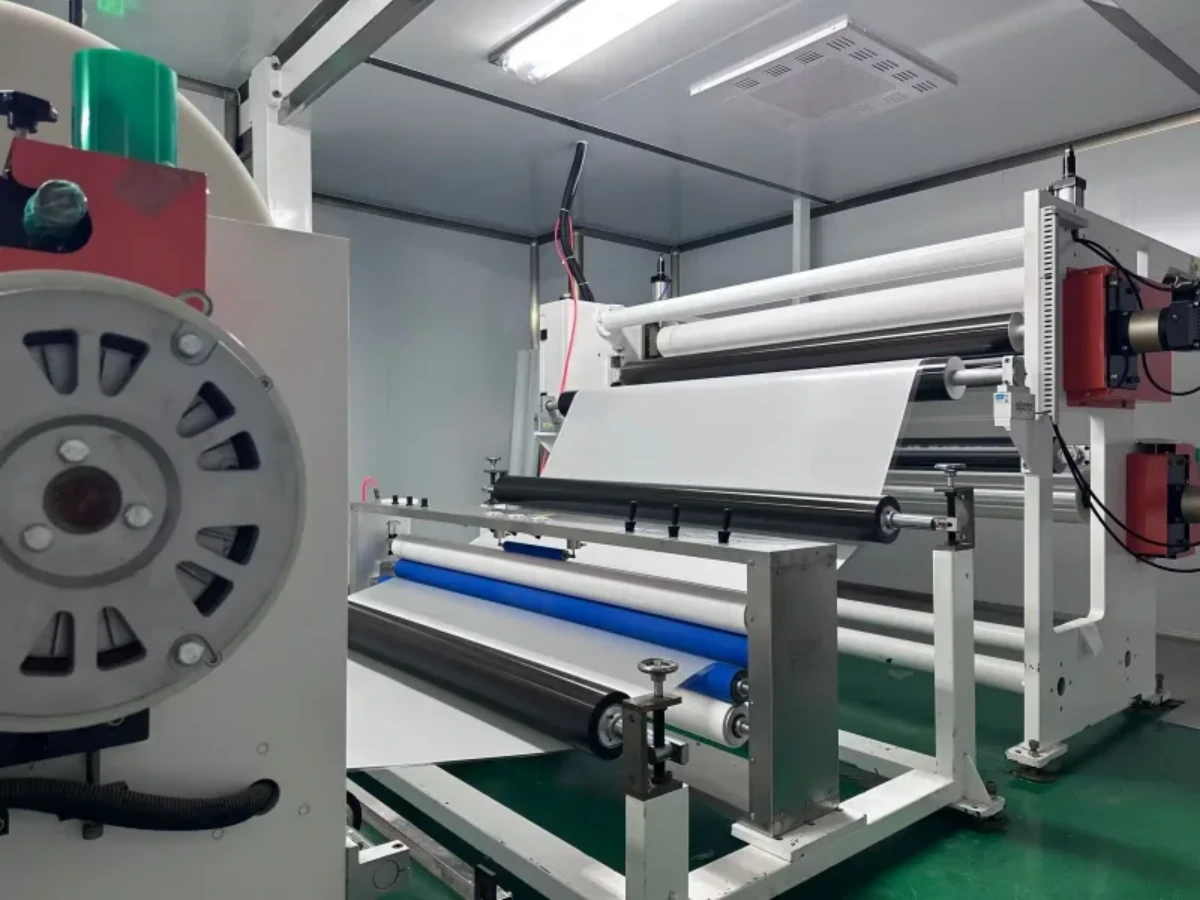
autoli TPU PPF Applied to all brand car models as byd、Jaguar、Chevrolet、volvo.Our factory cooperates with Car Customization Shop、PPF trading、ppf installation、Auto Detailing、AutoZone and all so in many countries and regions around the world,like Malaysia,Germany,Australia,Bulgaria,Morocco,Malta,Warranty: 10 years.Our advantages:Raw material purchasing advantage;Efficient production reduces costs;Unlock Business Growth with Our Factory’s PPF.Our factory also provides PET FILM、Vinyl wrapping.