

PPF’s flexibility during temperature changes avoids cracking in summer heat or winter cold, unlike rigid films.,Reduces water spots with beading effect.,Claim Your Business Edge: Factory – Backed PPF, Multiple Styles, Unmatched Value.
TPU PPF VS PET PPF:
- Material Flexibility – TPU PPF offers 500% elongation for contour-hugging application, while PET PPF provides <100% elongation, limiting use on curved surfaces.
- Cost Structure – TPU PPF costs 2–3x more upfront than PET PPF but offers 3–5x longer service life, reducing long-term costs.
- Abrasion Recovery – TPU PPF’s topcoat recovers from light abrasion, while PET PPF’s surface damage is permanent.
- Sustainability Metrics – TPU PPF has 40% lower carbon footprint over lifecycle than PET PPF when accounting for replacement frequency.
- ADAS Compatibility – TPU PPF maintains 99.9% radar transmission, whereas PET PPF can reduce signal strength by 15–20%.
- Low-Light Visibility – TPU PPF’s clarity enhances nighttime visibility for headlights, while PET PPF can create slight haze reducing light output.
- Self-Healing Capability – TPU PPF repairs 3μm scratches via heat activation, whereas PET PPF lacks self-healing, requiring replacement for even minor damage.
- Temperature Tolerance – TPU PPF withstands -40°C to 80°C without cracking, unlike PET PPF which becomes brittle below 0°C.
- Weight Difference – TPU PPF adds 1.2kg per vehicle (full wrap), while PET PPF adds 0.8kg due to lower density but reduced coverage efficiency.
The horizontal comparison of PPF with other protection methods:
- PPF vs. Glass Polish – Polish removes water spots from glass, while PPF on paint prevents spots via hydrophobicity, with distinct surface applications.
- PPF vs. Ceramic Waxes – Ceramic waxes boost hydrophobicity for 6–12 months but lack impact protection, whereas PPF combines water repellency with scratch resistance.
- PPF vs. Silicone Spray – Silicone spray repels water temporarily but attracts dust, unlike PPF’s long-lasting hydrophobicity that resists dirt buildup.
- PPF vs. Ceramic Coatings – PPF offers physical impact protection (resisting rocks/chips) while ceramic coatings focus on chemical resistance and hydrophobicity, with PPF lasting 5–10 years vs. 2–5 for ceramics.
- PPF vs. Leather Protectors – Leather treatments guard against spills/cracking, while interior PPF shields dash/console plastics from UV fading and scratches, with separate material focuses.
- PPF vs. Rubberized Undercoating – Undercoating protects metal from rust, while PPF defends painted surfaces from road debris, with non-overlapping application zones.
Before & After: How PPF Transforms a 10-Year-Old Car:
- Before: Wheel balance weights with rust staining around them; After: PPF covers weight areas, hiding stains and preventing rust from spreading under paint.
- Before: Engine bay plastic components faded from heat; After: Heat-resistant PPF covers plastics, restoring color and blocking engine heat damage.
- Before: Tailgate with faded decals and paint transfer from loading; After: PPF covers decals to preserve them and resists paint transfer, maintaining graphics.
- Before: Side mirror housing gaskets with paint peeling at edges; After: PPF wraps gasket edges, hiding peeling and preventing water from getting under paint.
- Before: Hood latch area with accumulated dirt and paint wear; After: PPF covers the area, hiding grime stains and reducing friction-related wear.
- Before: Side mirror turn signal lenses with scratches; After: Clear PPF covers lenses, hiding scratches and maintaining visibility of turn signals.
The product classification and selection logic of PPF:
- Performance Tiers – Categorized as economy, mid-range, or premium based on additive packages (ceramic, graphene) and durability.
- Installation Time Consideration – Selecting pre-cut kits to reduce professional installation time for fleet vehicles.
- Pattern Complexity Matching – Opting for laser-cut PPF for vehicles with intricate contours (sports cars, classics).
- Regional Regulation Compliance – Selecting REACH/FDA-compliant PPF for markets with strict chemical safety standards.
- Heat Tolerance Matching – Upgrading to high-temperature PPF for engine bays or EV battery zones prone to thermal stress.
- Brand Support Evaluation – Opting for brands offering installer training and technical support for complex applications.
- Light Transmission Needs – Selecting high-clarity PPF for headlights to maintain visibility and safety.
Why TPU PPF:
- Customizable Sizes – Available in standard (3m×4m) to large (6m×10m) dimensions, with modular designs for expansion.
- Color Matching – Custom color matching to RAL or Pantone codes for brand consistency.
- Heavy-Duty Models – Industrial-grade 80mm×80mm beams for commercial high-traffic areas.
- Eco-Friendly Production – Aluminum manufacturing emits 90% less CO? when using recycled materials.
- Integration with Accessories – Pre-drilled holes for lights, fans, and shade systems (retractable awnings, curtains).
The user perception and consumption misconceptions of PPF:
- Correct Perception: Long-Term Cost Savings – 68% of users understand PPF reduces repaint costs over 5 years, aligning with data showing $2,000 savings on luxury vehicles.
- Consumer Misconception: “Once Applied, No Maintenance Needed” – A common myth that PPF requires zero upkeep, ignoring the need for pH-neutral cleaning to preserve hydrophobicity.
- Correct Perception: Edge Coverage Prevents Lifting – Opting for “full edge” wraps that fold film over panel edges, reducing wear from debris.
- Correct Perception: Impact Absorption Benefits – Off-road enthusiasts correctly rely on PPF to disperse rock impacts, reducing paint chipping by 75%.
- Consumer Misconception: “PPF Needs Waxing Like Paint” – Over-maintaining with wax, unaware that PPF’s topcoat排斥 traditional waxes, requiring specialized sealants.
- Consumer Misconception: “All PPFs Are Identical” – Many buyers assume no quality difference between $500 and $3,000 PPF, neglecting TPU vs. PVC material distinctions.
- Consumer Misconception: “PPF Installation Takes Days” – Avoiding PPF due to perceived downtime, not knowing modern pre-cut kits reduce professional installs to 1–2 days.
- Consumer Misconception: “DIY Installation Saves Money” – Consumers underestimate skill requirements, with 45% of DIY installs requiring professional correction due to bubbles or misalignment.
- Consumer Misconception: “Thicker PPF = Better Protection” – Assuming 10mil PPF is always superior, ignoring that excessive thickness can cause edge lifting on curved surfaces.
- Consumer Misconception: “Matte PPF Holds More Dirt” – Avoiding matte finishes due to perceived maintenance issues, not realizing their texture repels dust better than gloss.
The construction and maintenance of PPF:
- Ceramic Coating Compatibility – Applying a PPF-safe ceramic coating after 30 days enhances scratch resistance by 40%.
- Avoid Automated Car Washes with Brushes – Brushless washes prevent abrasive contact that can scratch PPF.
- Adhesive Activation Heat Range – Applying 65–75°C heat to edges activates adhesives without damaging the PPF’s topcoat.
- Long-Term Replacement Planning – Scheduling replacement before topcoat failure (typically 5–10 years) avoids adhesive residue buildup.
- Quality Inspection – 48-hour post-installation checks for bubbles, misalignment, or edge lifting to address issues promptly.
- Soft Rubber Squeegees for Curves – Flexible squeegees conform to rounded surfaces like fenders, reducing edge lifting risk during application.
- Paint Correction – Polishing the surface to remove swirl marks ensures PPF adheres smoothly without amplifying existing imperfections.
- Avoid Parking Near Construction – Reducing exposure to heavy dust, gravel, or paint overspray preserves PPF integrity.
Say Goodbye to Car Scratches: Self-Healing PPF Revealed!:
- Newer self-healing formulations repair deeper scratches (up to 5μm), expanding their damage-reversal capabilities.
- Scratches from parking sensors or automatic door closers heal, maintaining a clean look on tech-integrated cars.
- Self-healing technology is integrated into the TPU matrix, ensuring repairs aren’t limited to a thin topcoat that wears away.
- Bike rack or cargo carrier scratches on SUVs heal, preserving paint on vehicles used for outdoor activities.
- Consistent repair quality across flat and curved panels ensures your entire vehicle maintains a flawless appearance.
- Self-healing PPF protects chrome trims and plastic components, extending scratch repair beyond painted surfaces.
- Healing speed increases with temperature, making summer the perfect season for quick scratch reversal on hot days.
The regulations of PPF and after-sales services:
- Nano-Coating Warranty Bundles – Hybrid solutions combining PPF with ceramic coatings (e.g., Onyx PPF Nano Coat) offer extended warranties covering both layers .
- Australia’s UV Protection Standards – PPFs sold in Australia/NZ must comply with AS/NZS 4399 for UV protection, requiring UPF ratings ≥15 and transparency in labeling .
- California CARB VOC Limits – PPF adhesives sold in California must comply with CARB’s strict VOC regulations, reducing harmful emissions during installation to align with regional air quality standards .
- Regional Warranty Variations – PPF warranties often differ by region; for example, monsoon-prone areas may offer extended coverage for water ingress issues .
- EU PPWR Packaging Mandates – The EU’s Packaging and Packaging Waste Regulation (PPWR) requires PPF packaging to be recyclable by 2030 and prohibits PFAS in food-contact packaging, impacting material choices and disposal practices .
The cost structure and price composition of PPF:
- Brand Premium – Established brands (3M, XPEL) command 20–30% higher prices than generic alternatives for similar quality.
- Energy Consumption – Extrusion and curing processes account for 8–15% of production costs, higher for multi-layer films.
- Low-Volume Vehicle Surcharges – Custom cuts for rare models add 20–30% due to template creation costs.
- Equipment Depreciation – Extrusion machines (5–10 year lifespan) contribute 5–7% to per-unit costs annually.
- Warranty Add-Ons – Extending warranties from 5 to 10 years increases prices by 15–20% with minimal cost increase.
- Referral Program Incentives – $50–$100 discounts for referrals reduce net prices by 3–5% but lower acquisition costs.
- Topcoat Quality Impact – Ceramic-infused topcoats add $0.50–$1.00 per square foot but enable 10–15% price premiums.
- Aftermarket Service Margins – Maintenance kits (cleaners, sealants) carry 60–70% margins, boosting overall profitability.
- Partial Coverage Costs – Hood/fender kits at $800–$2,000, with higher per-square-foot pricing than full wraps.
- Insurance Partnerships – Bundling with auto insurance reduces customer costs by 5–10% via insurer subsidies.
AUTOLI(CN) PPF(Paint Protection Film) factory
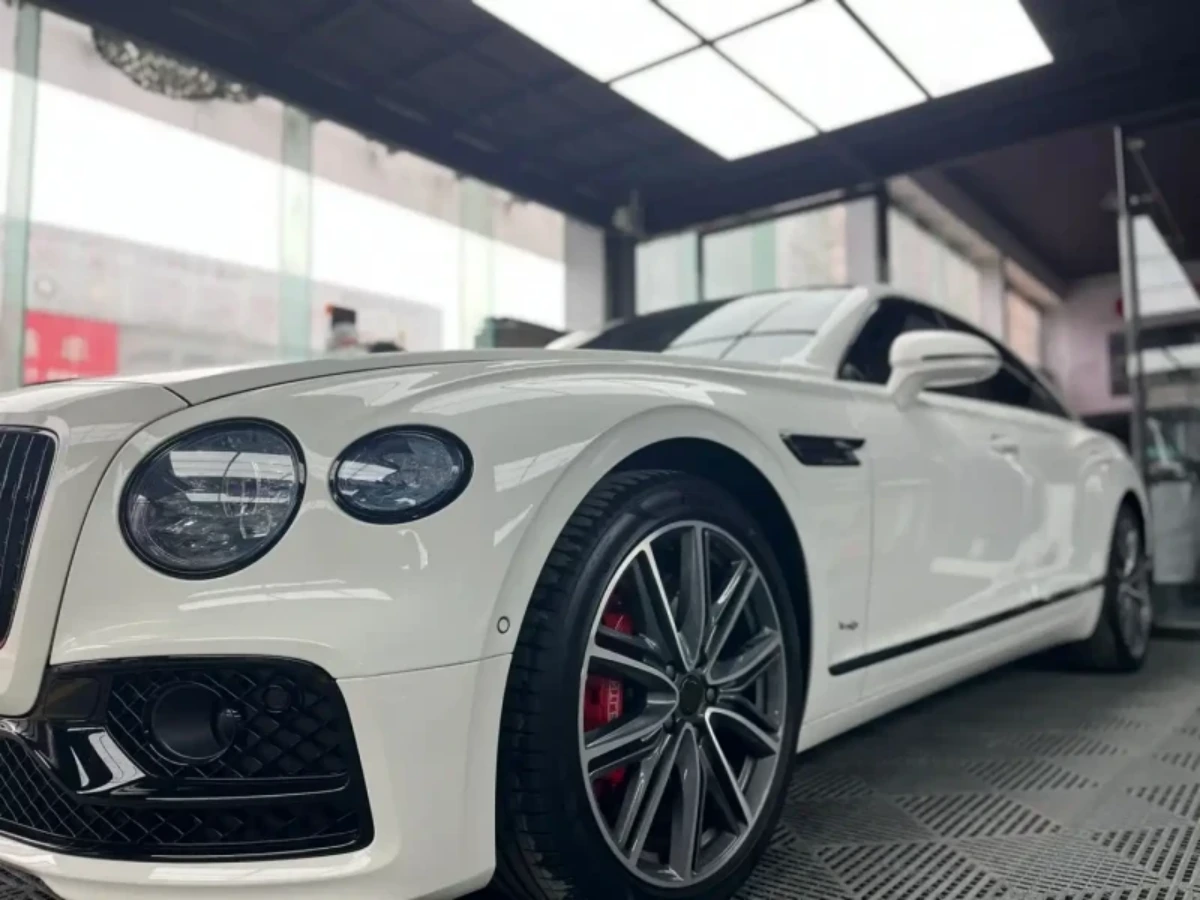
autoli TPU PPF Applied to all brand car models as Dodge、Alfa Romeo、ford、Tesla.Our factory cooperates with Auto Repair Center、PPF installer、Auto Spa and all so in many countries and regions around the world,like Germany,Indonesia,Malaysia,Egypt,Czech,Japan,Warranty: 10 years.Our advantages:Unlock Business Growth with Our Factory’s PPF;Efficient production reduces costs;Perfect after-sales service.Our factory also provides Vinyl wrapping、PPF FILM.