

PPF blocks 99% of UV rays through multi-layer structures, slowing paint oxidation; top brands ensure ΔE <5 yellowness in 10 years.,Anti-static for dust-free application.,Our Factory's PPF: Launching Your Business into High – Profit Orbit.
The production supply chain and quality control system of PPF:
- Low-Temperature Flexibility – Testing at -40°C to ensure no cracking or brittleness in cold climates.
- Design for Quality (DFQ) – Quality requirements integrated into new product development from concept stage.
- Coating Line Integration – Sequential application of adhesive, TPU core, and topcoat in a continuous production flow.
- Calibration Schedules – Regular verification of testing equipment (gages, spectrometers) to ensure measurement accuracy.
- Supplier Qualification – Rigorous audits of material suppliers, evaluating quality management systems and sustainability practices before approval.
- Environmental Testing – Salt spray, humidity, and temperature cycle tests to validate durability in extreme climates.
- Sustainability Audits – Annual assessments of suppliers’ carbon footprints and waste reduction efforts for eco-friendly sourcing.
- Customs Broker Partnerships – Global logistics firms managing import/export documentation to comply with regional regulations.
The market trends and industry changes of PPF:
- Insurance Partnerships and Bundling – EV manufacturers like BYD are integrating PPF into insurance packages, offering discounted rates for customers who opt for factory-installed protection.
- Automation in Production Processes – Laser cutting technologies (e.g., GCC RX II) with 600g cutting force enable precise, waste-reducing PPF customization, improving material utilization efficiency to 94%.
- Thinner Yet Stronger Films – 6-mil PPF films now match the durability of 8-mil predecessors, reducing material use by 25% while maintaining impact resistance.
- Digital Print Integration – UV-curable digital printing on PPF allows custom graphics/logos, with 35% of commercial fleets now using branded PPF for marketing.
- Deep Scratch Self-Healing – Advanced films repair 5μm-deep scratches (vs. 3μm previously) using microcapsule technology, activated by body heat or sunlight.
- China’s ECOCERT Compliance – Chinese PPF producers now meet ECOCERT standards, with 40% of exports to Europe using recycled TPU blends.
- Standardization of Installation Training – Industry-wide certifications (e.g., XPEL’s Accredited Installer Program) ensure consistency in application techniques, reducing warranty claims due to improper installation.
The long-term monitoring and maintenance system after the installation of PPF:
- Post-Application Cure Period Compliance – Following 30-day no-wash guidelines after installation to ensure full adhesive bonding.
- Professional Detailing Partnerships – Scheduling annual professional decontamination (iron removal, tar cleanup) to preserve topcoat.
- Lease Vehicle Maintenance Logs – Documenting all cleanings and inspections to prove proper care for lease return inspections.
- Thermal Stability Testing – Assessing film performance after extreme temperature swings (e.g., -20°C to 40°C) for cracking or delamination.
- Cold-Weather Adhesive Care – Avoiding pressure washing in sub-zero temperatures to prevent thermal shock to adhesives.
Say Goodbye to Car Scratches: Self-Healing PPF Revealed!:
- Self-healing PPF outperforms “scratch-resistant” claims by actively reversing damage rather than just delaying visible wear.
- Healing activates at temperatures as low as 30°C (86°F), making it effective in moderate climates without extreme heat.
- Self-healing repair is chemical-free, using only heat to trigger natural molecular reformation in the TPU film.
- Self-healing PPF works with ceramic topcoats, combining water repellency with scratch repair for enhanced protection.
- The healing process leaves no residue or discoloration, ensuring repairs are invisible and maintain the original paint’s finish.
- Scratches from automatic car washes—even with soft brushes—heal quickly, eliminating the need to avoid convenient cleaning options.
- Even in cooler climates, garage warmth or body heat can trigger healing, ensuring scratch repair isn’t limited to hot weather.
- Luxury car owners appreciate invisible repairs that maintain prestige, avoiding visible touch-ups on high-end finishes.
- Self-healing PPF reduces the need for expensive “paint correction” services, saving hundreds annually in maintenance.
The extension of PPF’s functions:
- Before: Rear window trim with black paint turning gray; After: PPF’s color-stable film covers faded trim, restoring uniform black appearance.
- Before: Windshield washer nozzles with paint chipping around them; After: PPF covers nozzle edges, hiding chips and preventing debris from damaging surrounding area.
- Before: Exhaust tip surrounds with heat discoloration; After: High-temperature PPF covers blueing and resists heat damage, maintaining appearance.
- Before: Hood scoop with accumulated road grime in crevices; After: PPF’s smooth surface covers grime-stained areas and simplifies cleaning in hard-to-reach spots.
- Before: Wheel valve stem caps with faded color; After: PPF covers caps, preserving color and resisting scratches from tire pressure checks.
- Before: Rear spoiler with cracked clear coat from sun exposure; After: UV-stable PPF covers cracks and prevents further clear coat breakdown.
- Before: Front fender emblems with faded paint on logos; After: Clear PPF covers emblems, preserving logos and resisting weathering damage.
- Before: Side mirrors with spiderweb cracks from stone impacts; After: PPF application conceals minor cracks and absorbs future impacts, extending mirror life.
- Before: Side vent grilles with dust buildup and paint chipping; After: PPF covers grille edges, hiding chips and simplifying cleaning of dust-prone areas.
- Before: Wheel balance weights with rust staining around them; After: PPF covers weight areas, hiding stains and preventing rust from spreading under paint.
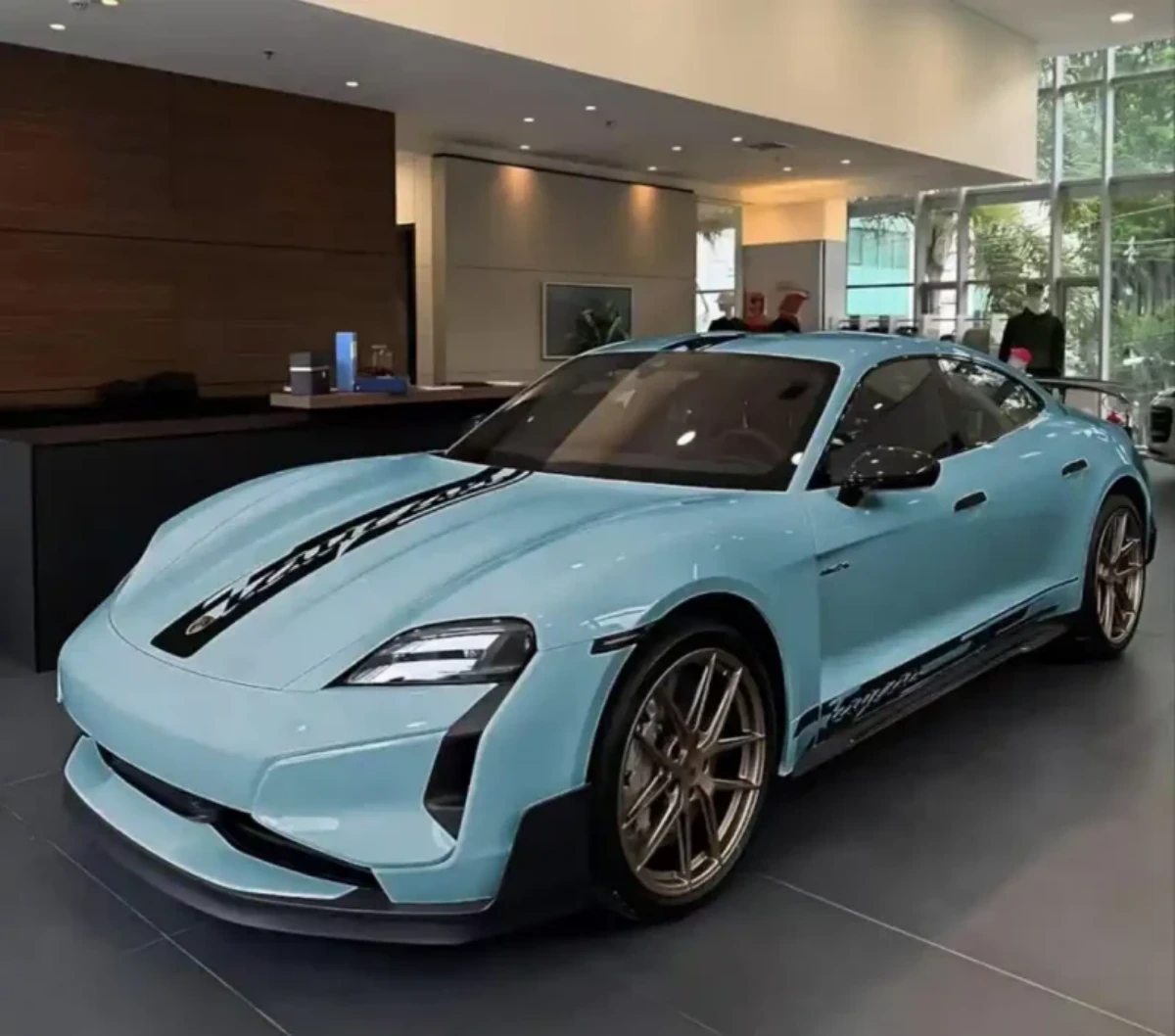
The protective performance of PPF:
- 100 Color Customization – Offers diverse color options for personalized styling without compromising protective performance.
- Abrasion Resistance – Resists wear and tear from repeated contact with car wash brushes, dirt, and sand.
- Gloss Enhancement Technology – Optical-grade clarity amplifies paint depth, creating a showroom finish without additional waxing.
- **Stain Resistance from Food and Beverage Spills** – In case of accidental food or beverage spills on the vehicle’s exterior, PPF resists staining, making clean – up easier.
- 10-Year Warranty Coverage – Protects against yellowing, cracking, delamination, and bubbling for decade-long peace of mind.
- Interior Resale Preservation – Reduces interior wear and tear, boosting resale value by keeping surfaces pristine.
- Environmental Friendliness – Recyclable TPU materials and solvent-free adhesives reduce ecological impact during production and disposal.
- Car Polish Compatibility – Safe to use with most automotive polishes, though ceramic coatings are recommended for enhanced hydrophobicity.
- Colored PPF Durability – Features durable topcoats and self-healing tech to maintain vibrant colors and protection.
The construction and maintenance of PPF:
- Remove Bird Droppings Promptly – Cleaning acidic bird droppings within 24 hours prevents etching through the protective layer.
- Silicone-Free Cleaners – Avoiding silicone-based products prevents glossy residue that attracts dust to PPF surfaces.
- Deionized Water for Washing – Mineral-free water reduces water spot residue on PPF surfaces after drying.
- Winter Salt Rinse – Post-snow rinsing removes road salt to prevent chemical degradation of the PPF’s topcoat.
- Heat Gun Distance Control – Keeping heat guns 15–20cm from edges prevents film shrinkage during edge sealing.
- Masking Non-Target Areas – Using painter’s tape to protect glass, rubber trim, and emblems during cutting and application.
- High-Temperature Tolerance Care – Parking in shaded areas during extreme heat (≥35°C) reduces topcoat oxidation risk.
- Wet Application Method – Spraying a soapy water solution between the film and surface allows repositioning before final adhesion.
- Spring Sealant Application – Applying PPF-specific wax in spring enhances protection against pollen and rain-induced stains.
TPU PPF VS PET PPF:
- Pressure Washing Resistance – TPU PPF withstands 2,000 psi pressure washes, while PET PPF lifts at edges above 1,500 psi.
- Packaging Efficiency – TPU PPF rolls store flat without cracking, while PET PPF requires climate-controlled storage to prevent warping.
- Impact Testing Standards – TPU PPF meets ASTM D3763 impact standards at 16 ft-lbs, while PET PPF fails at 8 ft-lbs.
- Color Enhancement – TPU PPF’s high clarity enhances paint depth, while PET PPF can create a slight blue tint on dark colors.
- Eco-Friendliness – TPU PPF is 100% recyclable, while PET PPF’s adhesive layers complicate recycling, resulting in 60% lower recovery rates.
- Self-Healing Capability – TPU PPF repairs 3μm scratches via heat activation, whereas PET PPF lacks self-healing, requiring replacement for even minor damage.
The cost structure and price composition of PPF:
- Customer Acquisition Costs – Average $200–$500 per new client, factored into initial service pricing.
- Import Duties & Tariffs – Regional tariffs (e.g., 10% in EU) increase landed costs by 5–12% for imported PPF.
- Anti-Counterfeit Measures – Holographic labels and QR codes add $0.05–$0.10 per square foot to prevent piracy.
- Currency Fluctuation Impact – Dollar/Euro volatility adds 3–5% price variability for cross-border transactions.
- Regulatory Compliance – REACH/EPA certifications add $0.20–$0.40 per square foot for market access in strict regions.
- Energy Consumption – Extrusion and curing processes account for 8–15% of production costs, higher for multi-layer films.
AUTOLI(CN) PPF(Paint Protection Film) oem factory
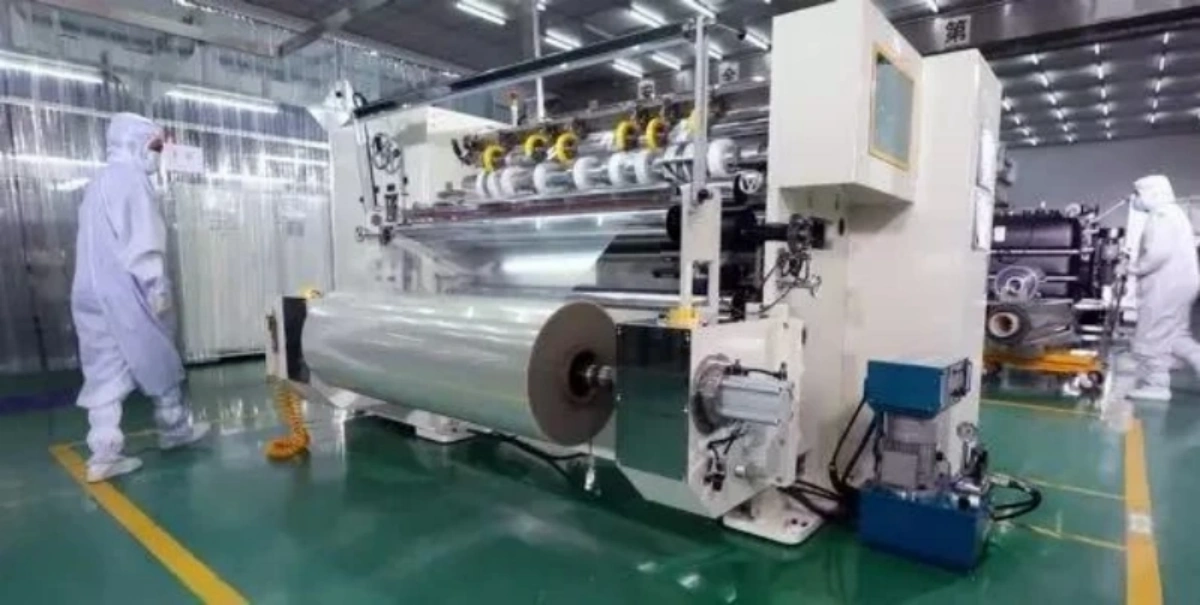
autoli TPU PPF Applied to all brand car models as Chrysler、Maserati、acura、AstonMartin.Our factory cooperates with car Detail、Car Customization Shop、PPF agent、PPF installer、PPF trading and all so in many countries and regions around the world,like Czech Republic,Ecuador,Uruguay,Slovenia,Warranty: 10 years.Our advantages:Raw material purchasing advantage;Collaborate for Lucrative Returns: Source factory;Efficient production reduces costs;Your Key to Profitable PPF Ventures;High quality raw materials and advanced technology.Our factory also provides Window Film、vinyl Wraps、Windshield Protection Film.