

PPF’s thickness provides a buffer against parking lot dings, minimizing damage from other cars’ doors.,Retains 80% ductility at -30℃.,Drive Business Ascent: Exceptionally Priced PPF, Lightning – Fast Delivery, Trusted Quality Badges.
The materials and technologies of PPF:
- Fire-resistant coating: Passes UL94 V-0 certification with flame spread rate <10mm/min, meeting automotive safety standards.
- Instant repair trigger for micro scratches: Optimizing the molecular activity threshold of TPU, it can quickly activate the repair mechanism at temperatures above 30 degrees Celsius or slight friction (such as towel wiping), shortening the response time for minor scratch repair.
- Thermal insulation buffer layer design: An elastic buffer layer is added between the substrate and the coating to alleviate the internal stress caused by the thermal expansion and contraction of the material under extreme temperature differences, thereby reducing the risk of cracking.
- ISO 12646 Color Management Certification: Ensures color accuracy and consistency across production batches.
- The core substrate is thermoplastic polyurethane (TPU): It is highly flexible and impact-resistant, serving as the fundamental material for PPF to provide protection and self-repair capabilities, outperforming traditional PVC.
- Track-day performance coating: Enhances heat resistance to 150°C for high-performance vehicles, preventing film delamination under extreme braking and acceleration.
- Surface hardness enhancement technology: By incorporating nano-ceramic particles into the coating, the pencil hardness of the film surface is increased to 9H level, enhancing the anti-scuff and anti-abrasion performance against hard objects such as keys and sand.
The construction and maintenance of PPF:
- UV-Protection Boosters – Applying UV-resistant sprays in high-sun regions extends anti-yellowing performance.
- Panel Sectioning – Applying PPF in smaller panel sections (e.g., hood, fenders) ensures better conformity to complex contours.
- Seasonal Maintenance Adjustment – Increasing cleaning frequency in rainy seasons to prevent mold growth under the film.
- Adhesive Activation Heat Range – Applying 65–75°C heat to edges activates adhesives without damaging the PPF’s topcoat.
- Avoid Automated Car Washes with Brushes – Brushless washes prevent abrasive contact that can scratch PPF.
- Storage Protection – Covering vehicles with breathable car covers in storage prevents dust buildup and UV overexposure.
- Avoid Parking Under Trees – Reducing exposure to sap, berries, and debris minimizes cleaning frequency and potential stains.
- Ceramic Coating Compatibility – Applying a PPF-safe ceramic coating after 30 days enhances scratch resistance by 40%.
- Test Applications on Scrap Panels – Practicing on metal scraps refines squeegee pressure before applying PPF to the vehicle.
The product classification and selection logic of PPF:
- Public Perception Consideration – Choosing invisible PPF over colored variants for professional or fleet vehicles.
- Fire Resistance Needs – Choosing flame-retardant PPF for emergency vehicles or equipment in high-risk environments.
- Installation Access Logic – Choosing hybrid PPF with air-release adhesives for hard-to-reach areas requiring repositioning.
- Climate-Specific Formulations – Categorized for tropical, cold, coastal, or desert climates, with additives addressing regional challenges.
- Owner Habit Alignment – Choosing low-maintenance PPF for owners who rarely wash or detail their vehicles.
- Installation Tool Compatibility – Choosing PPF optimized for specific tools (squeegees, heat guns) used by installers.
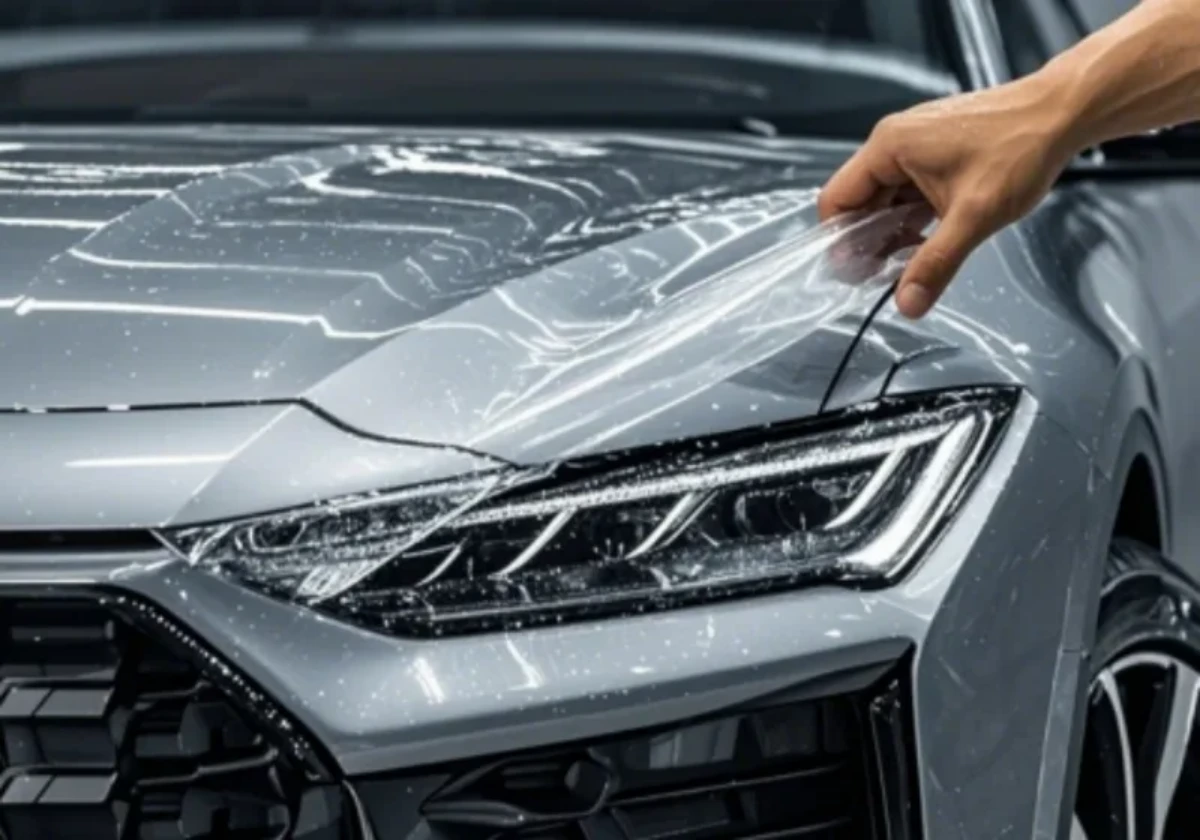
The market trends and industry changes of PPF:
- 15-Year Anti-Yellowing Warranties – Premium brands now offer 15-year guarantees against yellowing, using advanced HALS stabilizers to outlast traditional 10-year warranties.
- Deep Scratch Self-Healing – Advanced films repair 5μm-deep scratches (vs. 3μm previously) using microcapsule technology, activated by body heat or sunlight.
- Aftermarket Warranty Innovations – Lifetime warranties on select PPF products (e.g., Aegis Eternal 400) are becoming standard, reflecting manufacturer confidence in material durability and performance.
- Water-Based Adhesive Adoption – PPF manufacturers are shifting to water-based adhesives, reducing VOC emissions by 60% to meet EU and California air quality regulations.
- Data-Driven Marketing Strategies – Brands are using AI analytics to identify regional demand patterns, tailoring product launches (e.g., anti-yellowing films for high-sun areas) to specific markets.
- Rise of Mobile Installation Services – On-demand PPF installation units equipped with portable dust-free booths are gaining traction, targeting busy urban consumers who prefer doorstep service.
The long-term monitoring and maintenance system after the installation of PPF:
- Annual Adhesion Testing – Performing tape pull tests on inconspicuous areas to verify adhesive strength remains within factory specifications.
- Multi-Layer Film Maintenance – Using gentler pressure on multi-layer PPF to avoid separating layers during cleaning.
- Monthly Deep Cleaning – Using pH-neutral (6–8) PPF-specific cleaners to dissolve road grime without damaging topcoats.
- DIY Bubble Repair Guidelines – Using a needle to puncture bubbles, then applying heat and gentle pressure with a microfiber cloth.
- 24-Hour Bird Dropping Protocol – Spraying droppings with water, letting sit 5 minutes, then wiping with microfiber to avoid etching.
- Drying Cloth Maintenance – Washing microfiber cloths in mild detergent (no fabric softener) to preserve lint-free properties.
- 6-Month Bubble Detection – Using polarized light to identify subsurface bubbles invisible to the naked eye, especially post-installation.
- Thermal Stress Monitoring – Documenting film performance after extreme heat (>35°C) or cold (<0°C) to identify temperature-related degradation.
- After-Wash Edge Integrity Tests – Inspecting edges 24 hours after washing to detect water intrusion that indicates poor sealing.
The protective performance of PPF:
- Advanced Anti-Yellowing Formula – Incorporates UV inhibitors and stabilizers to prevent discoloration over 5 years of exposure.
- **Enhanced Surface Smoothness** – PPF creates a smooth surface, which not only improves the appearance but also reduces the friction that could potentially cause scratches or abrasions.
- **Chip and Dent Deterrence** – By acting as a buffer, PPF helps deter chips and small dents from forming on the vehicle’s bodywork caused by flying debris on the highway.
- **Anti-Graffiti Resistance** – It makes it difficult for graffiti to stick to the vehicle’s surface, and if any is applied, it can be removed more easily without harming the paint.
- 99% UV Blocking – Advanced UV inhibitors shield paint from fading and oxidation caused by prolonged sunlight.
- Stone Chip Protection – Shields against chips and dents caused by stones, gravel, and other road debris.
- **Preservation of Resale Value** – A vehicle with well – protected paint due to PPF is likely to have a higher resale value as the paint remains in better condition compared to non – protected vehicles.
- Edge Sealing Technology for Longevity – Prevents edge lifting through precise installation and heat-activated adhesive, ensuring 10 year durability.
- High-Temperature Resistance – Resists blistering or peeling under prolonged engine heat (up to 120°C), ideal for turbocharged vehicles.
The cost structure and price composition of PPF:
- Packaging Costs – Recyclable cardboard rolls and protective liners contribute 1–3% of total product costs.
- Warranty Add-Ons – Extending warranties from 5 to 10 years increases prices by 15–20% with minimal cost increase.
- Educational Institution Discounts – Schools and universities receive 5–10% off fleet PPF purchases.
- Lifecycle Cost Justification – 5-year total cost 30–40% lower than repainting, justifying higher upfront PPF prices.
- Minimum Order Quantities – MOQs (500 sq ft) reduce per-unit costs by 10–15% for commercial buyers.
- Military/First Responder Discounts – 10–15% price reductions, offset by tax benefits for businesses.
The production supply chain and quality control system of PPF:
- Quality Metrics Dashboard – Real-time monitoring of PPM (parts per million) defects, yield rates, and CPK values.
- Regulatory Compliance Support – Suppliers providing documentation for REACH, FDA, and OEM material approvals.
- Field Testing Programs – Real-world installations monitoring performance over 1–5 years in diverse climates.
- Production Planning – AI-driven demand forecasting to optimize production runs and reduce material waste.
- Extrusion Process Management – Real-time monitoring of temperature, pressure, and speed to ensure consistent film thickness.
- Raw Material Sourcing – TPU resin procurement from certified suppliers (e.g., Lubrizol, BASF) with ISO 9001 certification for consistent polymer quality.
AUTOLI(CN) PPF(Paint Protection Film) oem factory
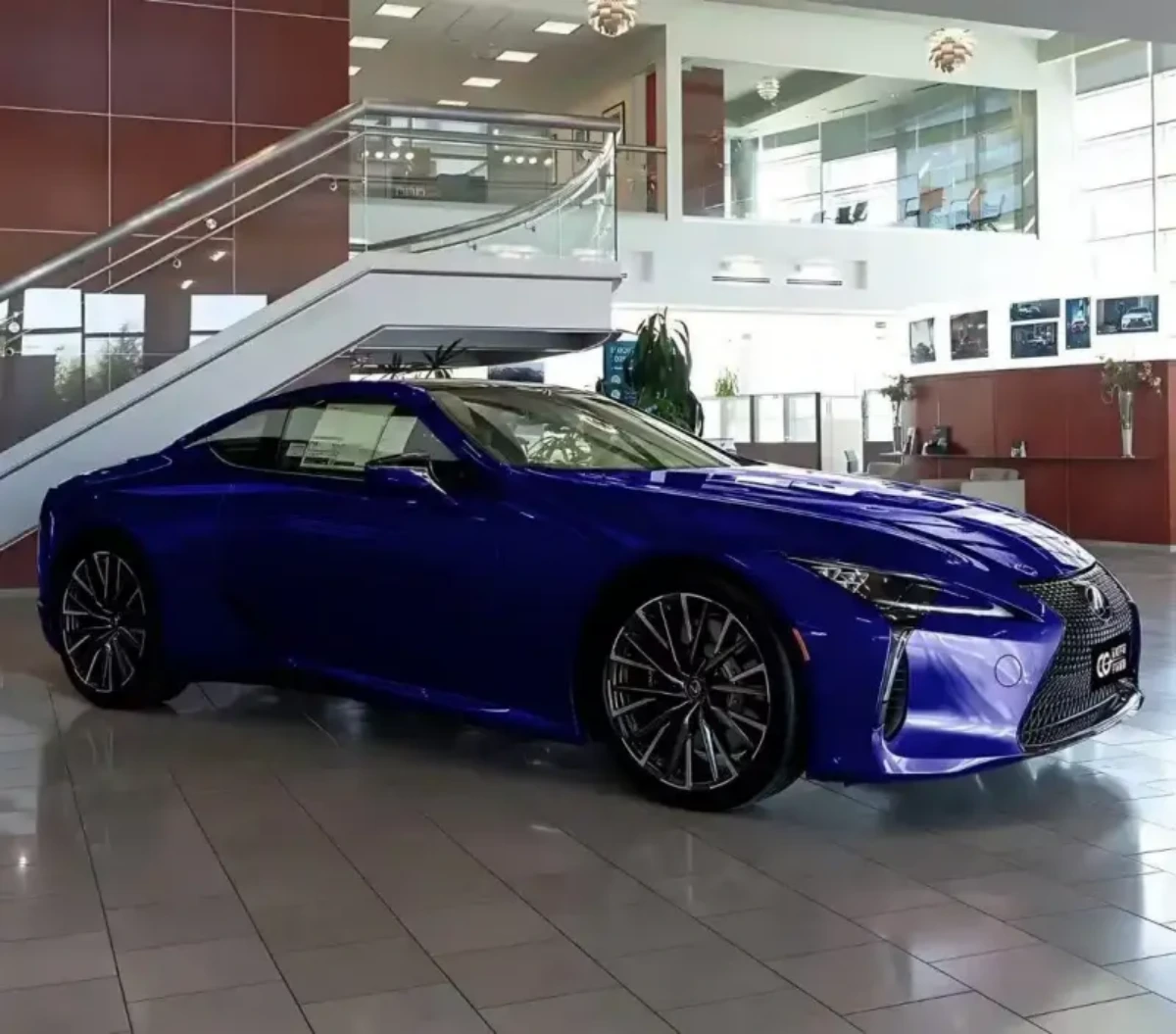
autoli TPU PPF Applied to all brand car models as Porsche、Nissan、McLaren、bmw.Our factory cooperates with PPF wholesale、ppf installation、PPF trading and all so in many countries and regions around the world,like Austria,Australia,Holland,Iran,Costa Rica,Warranty: 10 years.Our advantages:Perfect after-sales service;SGS, ASTM, REACH, UL and other certifications;Raw material purchasing advantage;High quality raw materials and advanced technology;Unlock Business Growth with Our Factory’s PPF.Our factory also provides Vinyl wrapping、Car Wraps、Vinyl Car Wrap、Paint Protection Film.