

PPF’s application on headlights reduces yellowing from UV, maintaining brightness and safety for at night driving.,Reduces ice adhesion in winter for easy removal.,Factory – Crafted PPF: Superior Durability.
How TPU Redefines PPF:
- Weather Adaptability – TPU’s resistance to rain, snow, and sand redefined PPF from climate-specific products to global solutions for diverse environments.
- Winter Resilience – TPU’s resistance to ice scrapers and de-icing salts redefined PPF from seasonal products to winter-ready protectors in cold regions.
- Installation Ease – TPU’s air-release adhesives and repositionable properties redefined PPF installation from labor-intensive to DIY-friendly with minimal bubbles.
- Aging Gracefully – TPU’s slow degradation redefined PPF from quickly obsolescent products to long-term investments maintaining performance over decades.
- Anti-Corrosion Properties – TPU’s moisture barrier redefined PPF from paint protectors to rust-preventing systems in coastal and winter regions.
- Multi-Surface Application – TPU’s compatibility with paint, chrome, and plastic redefined PPF from body-only protection to full-vehicle solutions including trim and headlights.
- Modular Design – TPU’s compatibility with partial coverage redefined PPF from full-wrap-only options to targeted solutions for high-impact areas (hood, fenders).
- Smart Film Potential – TPU’s compatibility with sensors redefined PPF from passive protectors to IoT-enabled systems monitoring wear and impacts.
- Color Stability – TPU’s pigment-retention properties redefined PPF from clear-only products to color-stable tinted films for subtle aesthetic enhancement.
The user pain points of PPF and their solutions:
- High Heat Damage (EV Batteries) – Solved by heat-resistant PPF (120°C ) with thermal conductivity for battery zone protection.
- Mold Growth in Humid Climates – Prevented by antimicrobial additives and breathable film designs allowing moisture evaporation.
- Discoloration on Dark Paint – Solved by high-clarity TPU with low-iron content, preventing blue/green tint on black vehicles.
- Uncertainty About Lifespan – Resolved by clear warranty durations (5–15 years) and real-world durability data from field tests.
- Uncertainty About Product Quality – Resolved by third-party certifications (ECOCERT, ISO 9001) and transparent material disclosure.
- Poor Hydrophobicity Over Time – Restored by SiO? sealant boosters, reviving water repellency every 3–6 months.
The user perception and consumption misconceptions of PPF:
- Correct Perception: Multi-Surface Application – Users increasingly apply PPF to headlights and trim, reducing fogging and scratches on high-wear areas.
- Correct Perception: Edge Coverage Prevents Lifting – Opting for “full edge” wraps that fold film over panel edges, reducing wear from debris.
- Consumer Misconception: “PPF Hides Existing Paint Damage” – A false belief that PPF covers swirl marks or chips, when pre-installation paint correction is actually required.
- Correct Perception: Lease Protection Value – Leaseholders use PPF to avoid $500 end-of-term fees, with 95% passing inspections without paint-related charges.
- Correct Perception: Edge Sealing Importance – Savvy users check for heat-sealed edges, knowing proper sealing reduces lifting by 80% in car washes.
- Consumer Misconception: “PPF Ruins Paint When Removed” – Fearing damage during removal, not realizing modern adhesives peel cleanly if removed within warranty periods.
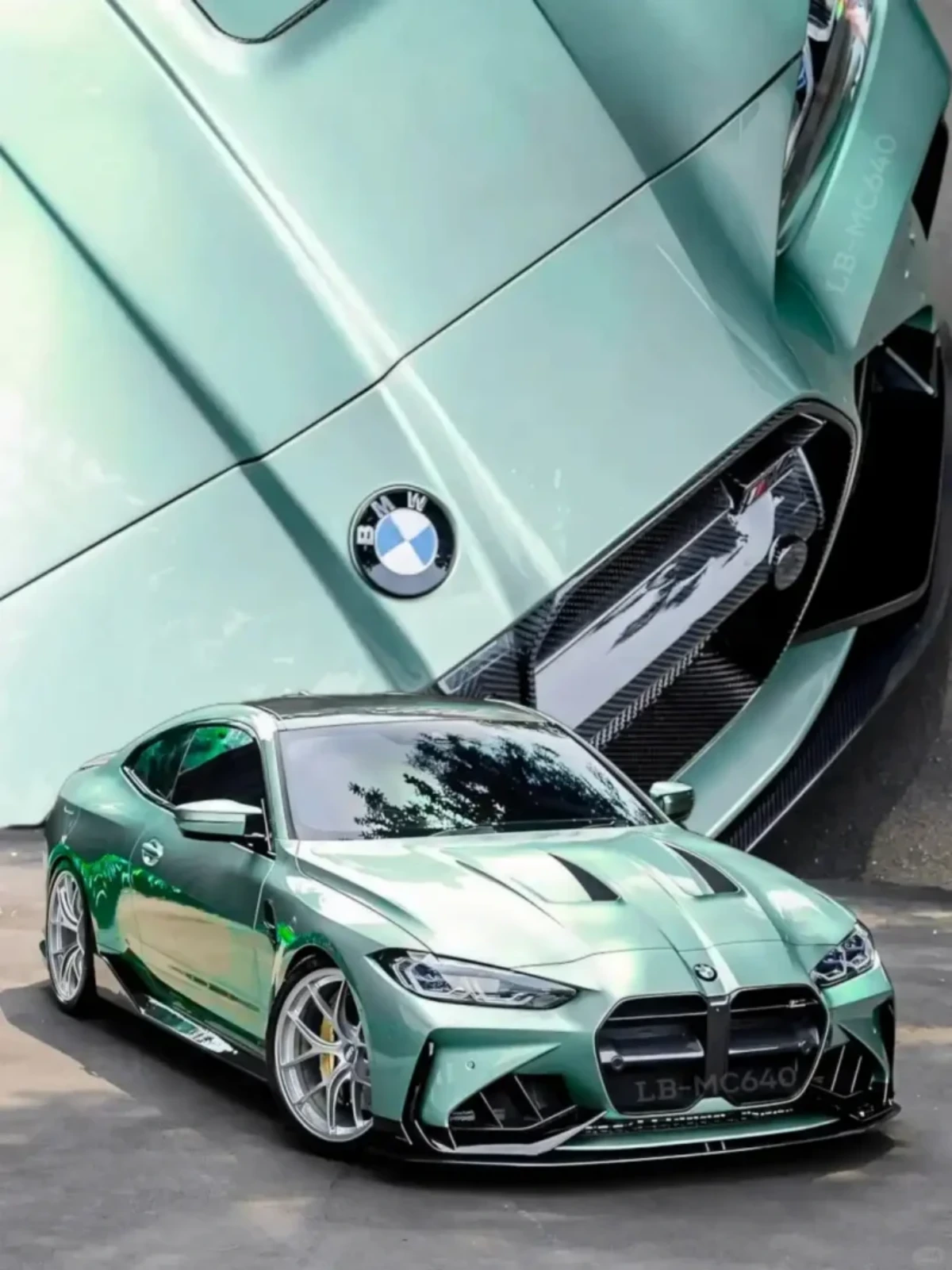
The horizontal comparison of PPF with other protection methods:
- PPF vs. Chassis Undercoating – Undercoating protects metal from rust, while PPF defends visible painted surfaces from chips, with both addressing different vehicle vulnerability areas.
- PPF vs. Fiberglass Coatings – Fiberglass coatings add rigid strength to surfaces but can’t conform to curves, unlike PPF which adapts to vehicle contours seamlessly.
- PPF vs. Acrylic Sealants – Acrylic sealants offer temporary gloss (3–6 months) without impact resistance, while PPF adds a physical layer shielding against chips and scratches.
- PPF vs. Spray-On Protective Coatings – PPF is removable and repairable, unlike permanent spray coatings that require full repaint for damage correction.
- PPF vs. Polyurethane Sprays – Polyurethane sprays form a hard, brittle layer prone to chipping, while PPF’s flexible TPU base absorbs impacts without cracking.
- PPF vs. Anti-Corrosion Sprays – Sprays inhibit rust on bare metal but don’t protect paint, whereas PPF blocks corrosion triggers (salt, moisture) from reaching painted surfaces.
- PPF vs. Stone Guard Films (Thin) – Thin stone guards protect against small debris but lack self-healing, while PPF handles larger impacts and repairs minor damage automatically.
Say Goodbye to Car Scratches: Self-Healing PPF Revealed!:
- Self-healing PPF’s topcoat is engineered to withstand repeated healing cycles without thinning or losing its protective capabilities.
- Road tar or adhesive residue removal scratches heal, ensuring necessary maintenance doesn’t harm paint.
- Micro-scratches from car washes, keys, or road debris are no match for TPU’s “memory” to return to its original smooth state when heated.
- Self-healing technology withstands 10,000 repair cycles, ensuring long-term performance for high-mileage vehicles.
- Parking lot dings, shopping cart brushes, and accidental scrapes heal automatically, reducing the need for costly detailing or touch-ups.
The regulations of PPF and after-sales services:
- WEEE Directive Compliance – End-of-life PPF must be recycled in accordance with the EU’s WEEE directive, promoting circular economy practices for electronic and automotive waste .
- 3M’s Warranty Exclusions – 3M’s warranty explicitly excludes watermarks, improper maintenance, and non-authorized products, emphasizing the need for professional installation and genuine materials .
- Lifetime Warranty Programs – Premium PPF brands like 3M offer 7-year warranties on Pro Series films, covering defects like delamination and yellowing, while excluding wear and tear or improper installation .
- Post-Installation Inspections – Professional installers like NAR PPF conduct post-installation checks to ensure edge sealing and material adherence, minimizing warranty claims .
- Regulatory Updates for EVs – EV-specific PPFs must comply with OEM heat resistance standards (e.g., 120°C for battery zones) to avoid delamination .
- Customer Support Hotlines – Brands like NAR PPF provide dedicated hotlines (4008 8181 07) for warranty claims, requiring vehicle details and installation records for processing .
- IoT-Enabled Performance Monitoring – Emerging PPFs with embedded sensors monitor UV exposure and damage levels, providing real-time data for predictive maintenance and warranty claims .
- Australia’s UV Protection Standards – PPFs sold in Australia/NZ must comply with AS/NZS 4399 for UV protection, requiring UPF ratings ≥15 and transparency in labeling .
- Anti-Yellowing Guarantees – Brands like Aegis Eternal 400 offer 15-year warranties against yellowing, using HALS stabilizers to maintain optical clarity over extended periods .
The materials and technologies of PPF:
- Water resistance stability technology: By adding water resistance agents to the TPU base material, it inhibits the breakage of molecular chains in humid environments, extending the service life of the film material in high-humidity areas.
- Anti-graffiti protection technology: A low surface energy coating is added to the surface, making graffiti, glue, etc. difficult to adhere. With a slight wipe, they can be removed, reducing the cost of later cleaning.
- pH-responsive anti-corrosion layer: Activates protective agents when exposed to acidic environments (e.g., acid rain).
- Warm water activation adhesive: Enables repositioning for up to 24 hours post-installation using only water, reducing reliance on chemicals.
- Heavy metal-free composition: Eliminates lead, cadmium, and mercury, ensuring compliance with EU REACH and California Proposition 65.
- Thermochromic color-shifting film: Changes color with temperature variations (e.g., blue at 25°C, red at 35°C), adding dynamic visual appeal.
TPU PPF VS PET PPF:
- Adhesive Aging – TPU PPF’s adhesive retains 80% strength after 5 years, while PET PPF’s adhesive loses 50% strength in 3 years.
- Surface Preparation – TPU PPF requires minimal paint correction, while PET PPF amplifies existing swirl marks due to lower flexibility.
- Weather Adaptability – TPU PPF performs in coastal salt spray, while PET PPF shows corrosion under film in high-humidity environments.
- Installation Ease – TPU PPF’s air-release adhesives allow repositioning, while PET PPF’s aggressive adhesives make alignment errors irreversible.
- Global Compliance – TPU PPF meets REACH, FDA, and CARB standards, while some PET PPF formulations exceed VOC limits in strict regions.
- Edge Sealing Options – TPU PPF accepts heat sealing for permanent edges, while PET PPF requires adhesive sealants that degrade faster.
AUTOLI(CN) PPF(Paint Protection Film) manufacturer

autoli TPU PPF Applied to all brand car models as ds、Jaguar、Maserati、Benz.Our factory cooperates with PPF brand、PPF distributor、ppf installation and all so in many countries and regions around the world,like UK,Switzerland,Belgium,Czech,Luxembourg,Venezuela,Warranty: 10 years.Our advantages:Efficient production reduces costs;Collaborate for Lucrative Returns: Source factory;Unlock Business Growth with Our Factory’s PPF.Our factory also provides Window tint、TPU PPF.