

PPF’s non-toxic materials make it safe for households with children or pets, avoiding harmful chemical exposure.,Withstands heavy rain without water damage.,Don’t Miss Out! Partner with Our Factory for Premium PPF and Market Domination.
Say Goodbye to Car Scratches: Self-Healing PPF Revealed!:
- Soft-brush car washes leave no lasting marks, as self-healing PPF erases contact scratches within hours.
- Swirl marks from improper drying or washing fade away, simplifying DIY car care and reducing the risk of accidental damage.
- New car owners avoid “break-in anxiety,” knowing minor initial scratches will disappear with normal use.
- Hard-to-reach areas like wheel arches and bumper edges receive the same healing benefits, ensuring uniform appearance across your vehicle.
- Car owners report a 70% reduction in visible scratches after installing self-healing PPF, boosting vehicle pride and resale value.
The long-term monitoring and maintenance system after the installation of PPF:
- Impact Damage Assessment – Documenting rock chips or abrasions with photos to track self-healing efficacy over 6–12 months.
- Thermal Stability Testing – Assessing film performance after extreme temperature swings (e.g., -20°C to 40°C) for cracking or delamination.
- Avoid Automated Brush Washes – Opting for touchless or hand washes to prevent brush-induced swirl marks on topcoats.
- Cleaning Tool Sterilization – Washing squeegees and applicators with soap and water monthly to prevent bacterial growth.
- Seasonal Storage Preparation – Cleaning thoroughly, applying sealant, and using breathable covers before 30 day storage periods.
- Bug Splatter Removal Steps – Soaking splatters with bug remover spray for 2 minutes before gently wiping to prevent staining.
- Summer Heat Protection – Parking in shade or using car covers with UV protection to reduce topcoat oxidation in 35°C weather.
- Thermal Healing Activation – Parking in sunlight (or using low-heat hair dryers) to accelerate self-healing of minor scratches in cool weather.
- UV Degradation Monitoring – Using colorimeters to measure ΔE values (ΔE 3 requires evaluation).
The user perception and consumption misconceptions of PPF:
- Consumer Misconception: “All PPF Installers Are Equal” – Choosing based on price alone, ignoring differences in training, tools, and workspace quality.
- Correct Perception: Lease Protection Value – Leaseholders use PPF to avoid $500 end-of-term fees, with 95% passing inspections without paint-related charges.
- Consumer Misconception: “PPF Can’t Be Repaired” – Assuming damaged PPF requires full replacement, unaware small sections can be patched professionally.
- Consumer Misconception: “PPF Traps Moisture Under Paint” – A false fear that PPF causes rust, ignoring that proper installation creates a moisture barrier preventing corrosion.
- Correct Perception: Resale Value Boost – 81% of luxury car owners recognize PPF-preserved paint enhances resale value by 5–10% in pre-owned markets.
- Correct Perception: Post-Install Break-In Period – Following 30-day no-wash guidelines, understanding adhesives need time to fully bond.
- Correct Perception: Professional Installation Worth Cost – 90% of satisfied users attribute results to certified installers, valuing dust-free environments and precision tools.
- Consumer Misconception: “PPF Is Only for Exteriors” – Overlooking interior applications, missing opportunities to protect door sills and touchscreens.
- Correct Perception: TPU vs. PVC Durability – Informed buyers recognize TPU PPF offers 3x longer lifespan than PVC, prioritizing flexibility and self-healing over cost.
- Correct Perception: Warranty Transfer Adds Value – Sellers highlight transferable warranties, knowing they boost resale appeal for next owners.
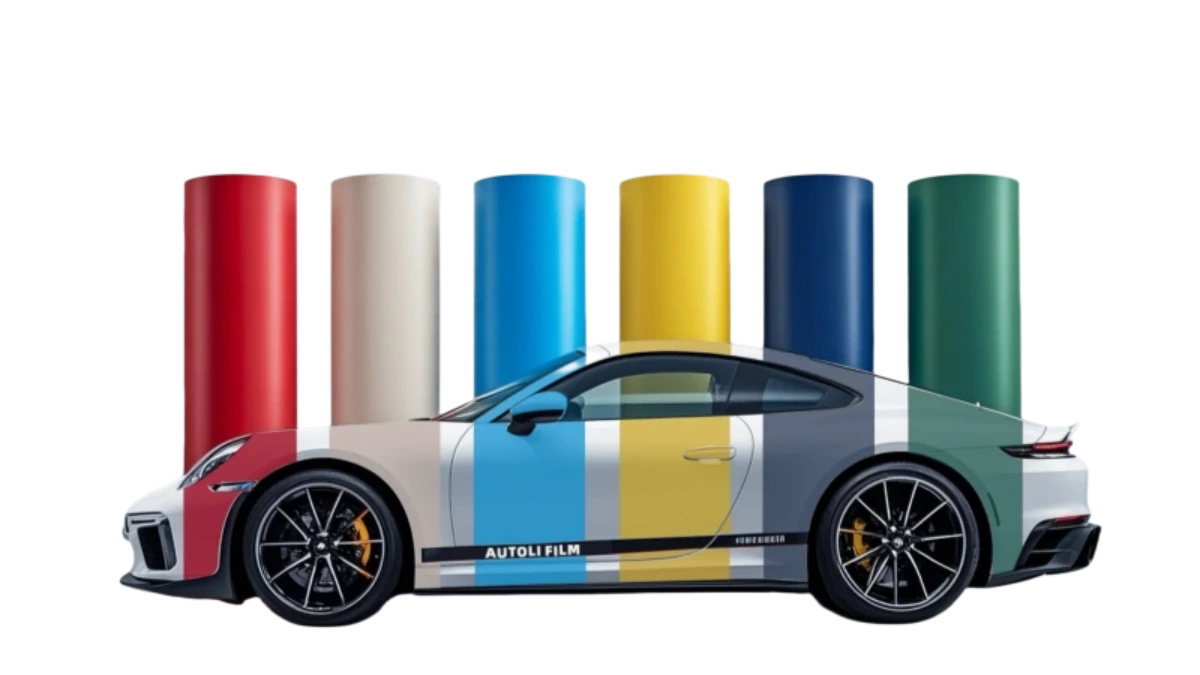
The cutting-edge technology research and development of PPF:
- High-Temperature Resistant PPF – Polyimide-TPU blends withstand 232°C (450°F) for automotive exhaust systems and industrial machinery.
- Superelastic PPF – Shape memory alloys (SMAs) integrated into TPU films recover from 500% elongation without permanent deformation.
- Nano-Ceramic Reinforced PPF – Zirconia and alumina nanoparticles increase PPF hardness to 9H while maintaining 85% transparency.
- Shape Memory Polymers – 4D-printed PPF star polymers with tunable glass transition temperatures recover 95% of original shape after deformation.
- Dynamic Wettability Coatings – pH-responsive surfaces switch between superhydrophobic and hydrophilic states to adapt to varying environmental conditions.
- AI-Powered Predictive Maintenance – Machine learning models analyze sensor data to predict PPF degradation, scheduling replacements before failure.
- Multilayer Barrier Films – Nanolaminate structures with alternating TPU and ceramic layers resist chemical corrosion from road salt and bird droppings.
- Quantum Dot UV Protection – Quantum dot-infused films block 99.9% of UV rays while enhancing color stability, preventing yellowing over 10 years.
- Bio-Based UV Stabilizers – Plant-derived flavonoids and carotenoids replace synthetic HALS, maintaining UV resistance for 10 years.
The regulations of PPF and after-sales services:
- Regional Warranty Variations – PPF warranties often differ by region; for example, monsoon-prone areas may offer extended coverage for water ingress issues .
- Certified Installer Networks – Brands like Eastman (DragonFilm) enforce tiered certification programs (e.g., 1-star to 7-star) to ensure standardized installation practices and warranty validity .
- Post-Installation Inspections – Professional installers like NAR PPF conduct post-installation checks to ensure edge sealing and material adherence, minimizing warranty claims .
- Japan’s Window Tinting Restrictions – Japanese regulations ban PPF installation on front driver/passenger windows and mandate partial windshield film transparency to ensure unobstructed visibility .
- Warranty Transferability – Transferred vehicle ownership often requires warranty re-registration, with brands like 3M requiring updated documentation to maintain coverage .
- Nano-Coating Warranty Bundles – Hybrid solutions combining PPF with ceramic coatings (e.g., Onyx PPF Nano Coat) offer extended warranties covering both layers .
- EU REACH Compliance – PPF manufacturers must adhere to EU REACH regulations, ensuring all chemicals used in production meet strict safety and environmental standards, particularly for PFAS substances like C9-C14 PFCAs, which are restricted to ≤25 ppb in materials .
- Australia’s UV Protection Standards – PPFs sold in Australia/NZ must comply with AS/NZS 4399 for UV protection, requiring UPF ratings ≥15 and transparency in labeling .
- California CARB VOC Limits – PPF adhesives sold in California must comply with CARB’s strict VOC regulations, reducing harmful emissions during installation to align with regional air quality standards .
The market trends and industry changes of PPF:
- Thinner Yet Stronger Films – 6-mil PPF films now match the durability of 8-mil predecessors, reducing material use by 25% while maintaining impact resistance.
- Social Proof-Driven Sales – 65% of consumers cite online reviews and before/after videos as key factors in PPF brand selection, fueling influencer marketing growth.
- Nano-Coating Enhancements – Nano-based topcoats (e.g., Nasiol FCC) improve hydrophobicity and chemical resistance, extending PPF lifespan while maintaining self-healing capabilities.
- Cross-Industry Collaborations – Material suppliers (e.g., Lubrizol) are partnering with PPF manufacturers to develop specialized films for extreme climates, such as heat-resistant variants for desert regions.
- Commercial Fleet Adoption – Delivery giants like Amazon and JD.com are equipping 70% of new vans with PPF, reducing fleet repaint costs by $300 per vehicle annually.
- Shift Toward Touchless Installations – Automated robotic systems are being adopted in high-volume shops to minimize human error, particularly in edge trimming and heat-sealing processes.
The product classification and selection logic of PPF:
- Usage Pattern Matching – Opting for 10 mil thick PPF for highway commuters vs. 6–8mil for urban drivers with lower debris exposure.
- Adhesive Type Classification – Classified by adhesive technology (air-release, low-tack, permanent) affecting installation and removability.
- Impact Speed Consideration – Upgrading to high-speed impact-resistant PPF for race cars or highway patrol vehicles.
- Saltwater Exposure Protection – Choosing marine-grade PPF for coastal vehicles to resist salt-induced corrosion.
- Aesthetic Priority Selection – Matching finish type (matte/gloss) to vehicle paint to preserve original appearance.
- Budget-Driven Selection – Prioritizing economy-tier PPF for cost-sensitive buyers, balancing protection with affordability.
AUTOLI(CN) PPF(Paint Protection Film) factory
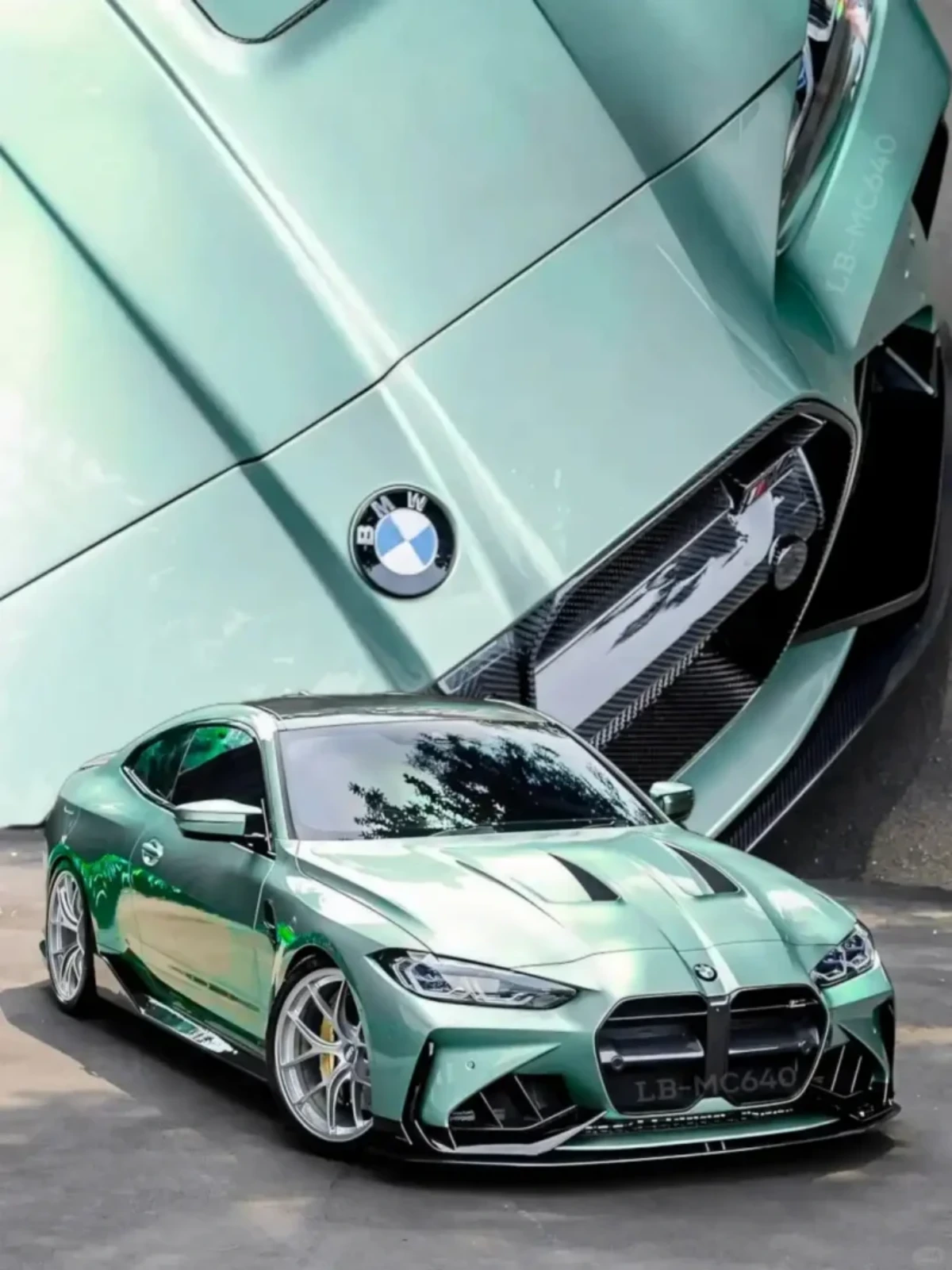
autoli TPU PPF Applied to all brand car models as Audi、Land Rover、Toyota、jeep、ds、Porsche.Our factory cooperates with Auto Detailing、Auto Detailing Shop、AutoZone and all so in many countries and regions around the world,like Luxembourg,Thailand,Greece,Slovakia,Warranty: 10 years.Our advantages:Collaborate for Lucrative Returns: Source factory;Efficient production reduces costs;Our customers are all over the world;Short production cycle, quick delivery;High quality raw materials and advanced technology.Our factory also provides PET FILM、vinyl Wrap、Car Wrap Vinyl.