

PPF preserves original paint integrity, lifting used car value by 10-20%—a ¥20k investment offsets resale losses for ¥300k cars.,23±2℃ controlled installation environment.,Why Settle? Partner with Our Factory for Cost – Effective, High – Style PPF.
The market trends and industry changes of PPF:
- Heat-Activated Self-Healing Advancements – Next-gen TPU films activate self-healing at lower temperatures (45°C), repairing 98% of micro-scratches within 8 minutes, enhancing consumer appeal.
- EV Battery Heat Resistance Focus – Next-gen PPF films are engineered to withstand 120°C from EV battery systems, preventing delamination in high-heat zones like undercarriages.
- Insurance Partnerships and Bundling – EV manufacturers like BYD are integrating PPF into insurance packages, offering discounted rates for customers who opt for factory-installed protection.
- TPU Dominance in Material Innovation – Thermoplastic polyurethane (TPU) films now account for 25% of global PPF installations, with self-healing TPU shipments rising 38% since 2021 due to superior scratch resistance and durability.
- ADAS Sensor Compatibility – PPF films with 99.9% LiDAR/radar transparency are becoming standard, ensuring autonomous driving systems function unimpeded post-installation.
The user perception and consumption misconceptions of PPF:
- Correct Perception: TPU vs. PVC Durability – Informed buyers recognize TPU PPF offers 3x longer lifespan than PVC, prioritizing flexibility and self-healing over cost.
- Consumer Misconception: “PPF Blocks Car Washes” – Avoiding automated washes due to fear of damage, when brushless systems are actually safe for properly installed PPF.
- Correct Perception: Multi-Surface Application – Users increasingly apply PPF to headlights and trim, reducing fogging and scratches on high-wear areas.
- Consumer Misconception: “All PPFs Are Identical” – Many buyers assume no quality difference between $500 and $3,000 PPF, neglecting TPU vs. PVC material distinctions.
- Consumer Misconception: “PPF Can Be Applied in Rainy Weather” – Attempting installation in humid conditions, increasing bubble risks due to moisture trapped under film.
- Correct Perception: Professional Installation Worth Cost – 90% of satisfied users attribute results to certified installers, valuing dust-free environments and precision tools.
- Correct Perception: Matte Finish Compatibility – Educated buyers seek matte-specific PPF, avoiding gloss films that ruin specialty paint textures.
- Consumer Misconception: “Thicker PPF = Better Protection” – Assuming 10mil PPF is always superior, ignoring that excessive thickness can cause edge lifting on curved surfaces.
- Consumer Misconception: “Matte PPF Holds More Dirt” – Avoiding matte finishes due to perceived maintenance issues, not realizing their texture repels dust better than gloss.
The user pain points of PPF and their solutions:
- Mold Growth in Humid Climates – Prevented by antimicrobial additives and breathable film designs allowing moisture evaporation.
- Yellowing Over Time – Solved by anti-yellowing formulations with HALS stabilizers and UV absorbers, maintaining clarity for 10 years.
- High Installation Costs – Mitigated by tiered pricing (DIY kits vs. premium pro installs) and financing options for budget flexibility.
- Unclear Warranty Coverage – Clarified via digital warranty passports detailing exclusions (wear, improper maintenance) and inclusions.
- Poor Performance in Cold Climates – Fixed with cold-flexible TPU (-40°C tolerance) and frost-resistant adhesives to avoid cracking.
- Damage from Road Debris – Mitigated by impact-dispersing multi-layer films, reducing stone chips by 70% at highway speeds.
Say Goodbye to Car Scratches: Self-Healing PPF Revealed!:
- Key scratches on door edges vanish, saving drivers from costly repairs to high-contact areas.
- “Touchless” car wash high-pressure nozzles leave no lasting marks, as self-healing PPF erases pressure-related scratches.
- Self-healing PPF works seamlessly on both gloss and matte finishes, preserving texture while erasing swirl marks and fine abrasions.
- EV owners get scratch repair around charging ports, where frequent plugging/unplugging can cause minor damage.
- Scratches from bicycle racks or roof carriers on SUVs and trucks heal, preserving paint on utility-focused vehicles.
- Unlike ceramic coatings that require precise application, self-healing PPF’s forgiving nature includes built-in damage reversal.
The protective performance of PPF:
- Environmental Friendliness – Recyclable TPU materials and solvent-free adhesives reduce ecological impact during production and disposal.
- Sound Dampening via Multi-Layer Design – Engineered with acoustic layers to minimize road noise transmission, enhancing cabin comfort.
- Stone Chip Protection – Shields against chips and dents caused by stones, gravel, and other road debris.
- **Resistance to Tree Sap Staining** – Tree sap can be a nuisance as it often leaves sticky and staining marks. PPF resists the adhesion of tree sap and makes its removal much simpler.
- Yellowing Resistance – Prevents discoloration caused by UV exposure, environmental pollutants, and natural aging processes.
- Self-Healing in Low-Temperature Conditions – Advanced films like CarPro Immortal? activate self-healing even at -20°C without external heat.
- Salt Spray Resistance – Protects against corrosion caused by road salt used in winter or coastal environments.
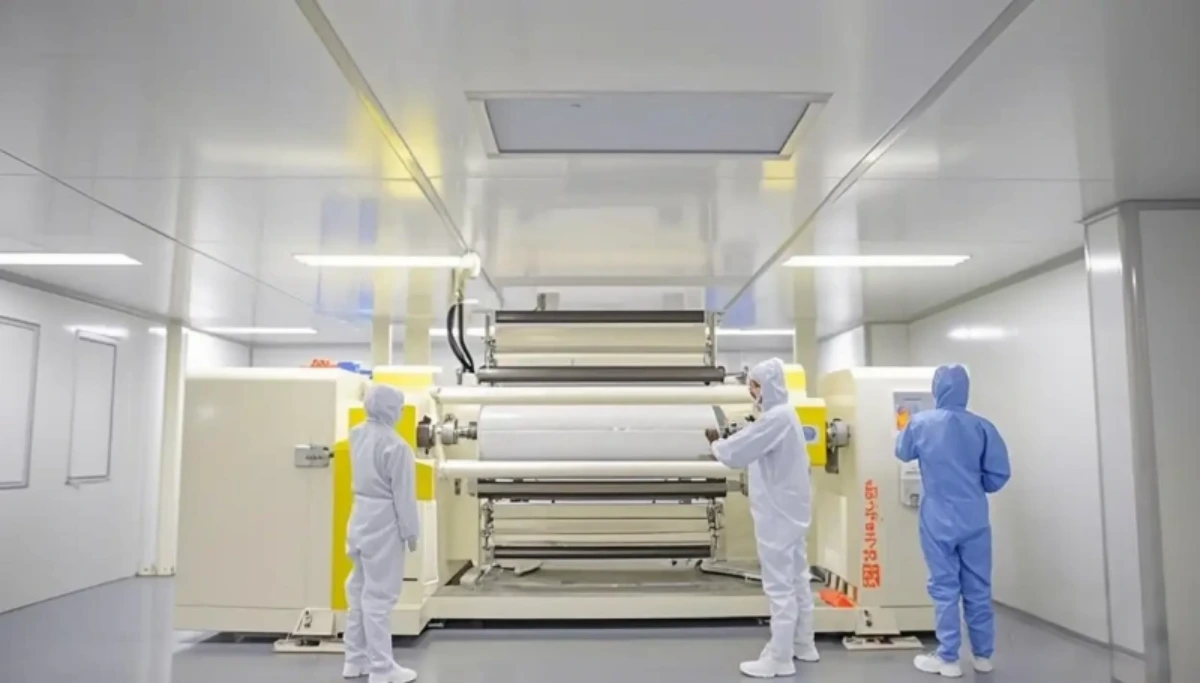
The product classification and selection logic of PPF:
- Installation Tool Compatibility – Choosing PPF optimized for specific tools (squeegees, heat guns) used by installers.
- Eco-Friendly Segmentation – Grouped as petroleum-based, bio-based, or recyclable PPF to align with sustainability priorities.
- Temperature Cycle Tolerance – Selecting PPF with low thermal expansion for regions with extreme temperature swings.
- Maintenance Capacity Matching – Opting for low-maintenance self-healing PPF for owners unable to perform frequent detailing.
- Vehicle Age Consideration – Choosing reversible low-tack PPF for classic cars vs. permanent adhesion for modern vehicles.
The differentiated user group needs matching of PPF:
- Vintage Motorcycle Ralliers – Prefer UV-stabilized PPF for fuel tanks, preventing paint fading during long-distance rides in direct sunlight.
- Limousine Services – Select mirror-finish PPF for black exteriors, minimizing swirl marks from frequent client pickups and drop-offs.
- Mobile Coffee Trucks – Need heat-resistant PPF near grills and espresso machines, withstanding high temperatures and coffee spills.
- Forestry Service Trucks – Need debris-resistant PPF for cabs and beds, withstanding tree branches and wood chips during forest management.
- Art Car Enthusiasts – Select removable, customizable PPF that protects murals/decals from weathering while allowing design updates without damage.
- Lease Vehicle Users – Prefer removable, residue-free PPF to avoid end-of-lease paint repair fees, with easy removal without damaging factory finishes.
- Cold-Climate Drivers – Need low-temperature flexible PPF (-40°C tolerance) to prevent cracking in frost, snow, and extreme thermal swings.
- Snowmobile Trail Groomers – Need cold-resistant PPF (-40°C) to protect metal and plastic surfaces from ice, salt, and debris buildup.
- Senior Driver Assistance Vehicles – Use scratch-resistant PPF on door edges and bumpers, reducing anxiety about minor parking mishaps.
- Wildlife Research Vehicles – Choose low-gloss PPF that reduces vehicle visibility to animals, while protecting paint from brush and mud in remote areas.
Why TPU PPF:
- Global Availability – Manufactured worldwide, ensuring local supply chains and quick delivery.
- Anti-Glare Options – Matte finishes reduce sun glare on adjacent windows and surfaces.
- Drought Resistance – Requires no water for maintenance, unlike wooden pergolas needing periodic sealing.
- Transport Efficiency – Lightweight components reduce shipping costs by 40% vs. steel structures.
- Anti-Slip Flooring Support – Structurally sound for stone, wood, or composite decking installations.
- Marine-Grade Options – 6061-T6 aluminum alloys resist saltwater corrosion for coastal properties.
The long-term monitoring and maintenance system after the installation of PPF:
- Summer Heat Protection – Parking in shade or using car covers with UV protection to reduce topcoat oxidation in 35°C weather.
- Rainwater Rinse Benefits – Allowing light rain to rinse surfaces, as natural water is softer than tap water in many regions.
- Humidity-Triggered Cleaning Adjustments – Increasing cleaning frequency by 50% in ≥70% humidity to prevent mold under PPF.
- Humidity-Controlled Storage – Covering vehicles with breathable covers in humid climates to reduce mold risk under PPF.
- Professional Detailing Partnerships – Scheduling annual professional decontamination (iron removal, tar cleanup) to preserve topcoat.
- Professional Edge Re-Sealing – Having certified installers re-heat seal edges at 12–18 months to prevent early lifting.
- Drying Cloth Maintenance – Washing microfiber cloths in mild detergent (no fabric softener) to preserve lint-free properties.
- Cleaning Tool Sterilization – Washing squeegees and applicators with soap and water monthly to prevent bacterial growth.
- Cold-Weather Adhesive Care – Avoiding pressure washing in sub-zero temperatures to prevent thermal shock to adhesives.
AUTOLI(CN) PPF(Paint Protection Film) oem factory
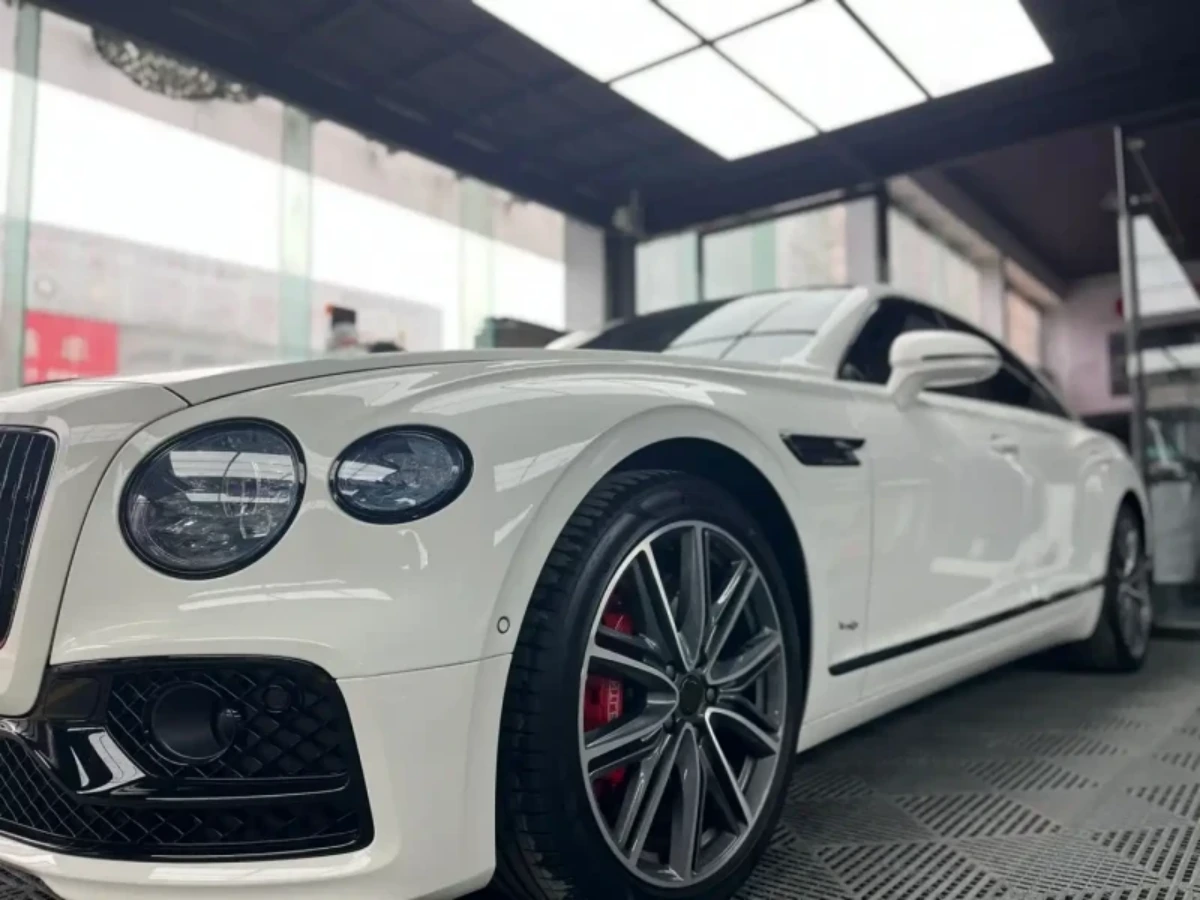
autoli TPU PPF Applied to all brand car models as Lincoln、Infiniti、Ferrari、ds、acura.Our factory cooperates with PPF trading、AutoZone、car Detail、Auto Repair Center and all so in many countries and regions around the world,like Iceland,Paraguay,Greece,Ireland,Warranty: 10 years.Our advantages:Unlock Business Growth with Our Factory’s PPF;Collaborate for Lucrative Returns: Source factory;Your Key to Profitable PPF Ventures;Perfect after-sales service;SGS, ASTM, REACH, UL and other certifications.Our factory also provides car film、Car Wrap、car film.