

PPF’s hydrophobicity makes rainwater bead and roll off, reducing water spots that require frequent detailing.,3x longer life than PVC wraps.,Spur Business Growth: Value – Packed PPF Wraps, Rapid Shipment, High – Profile Certifications.
TPU PPF VS PET PPF:
- Sustainability Metrics – TPU PPF has 40% lower carbon footprint over lifecycle than PET PPF when accounting for replacement frequency.
- Anti-Static Properties – TPU PPF with carbon additives reduces dust attraction by 50%, while PET PPF accumulates 30% more surface dust.
- Edge Lifting Resistance – TPU PPF’s heat-sealed edges reduce lifting by 75%, whereas PET PPF edges lift 30% more frequently in car washes.
- Abrasion Recovery – TPU PPF’s topcoat recovers from light abrasion, while PET PPF’s surface damage is permanent.
- Installation Training Requirements – TPU PPF requires 20 hours of training, while PET PPF needs 40 hours due to less forgiving application.
- Material Memory – TPU PPF returns to original shape after stretching, while PET PPF retains deformation from installation stress.
- Color Stability – TPU PPF retains tinted colors for 5 years, while PET PPF tint fades 40% within 18 months.
- Lightweight Advantage – TPU PPF’s strength-to-weight ratio is 2x higher than PET PPF, allowing thinner films with equivalent protection.
The product classification and selection logic of PPF:
- Climate Adaptation Logic – Choosing coastal-formulated PPF with anti-corrosion additives for saltwater exposure or cold-flex variants for winter regions.
- Final Selection Synthesis – Balancing material, thickness, finish, and warranty to match specific vehicle needs, usage patterns, and budget constraints.
- Weathering Resistance Needs – Selecting multi-layer PPF with ceramic topcoats for extended hydrophobicity in rainy regions.
- Long-Term Storage Consideration – Opting for breathable PPF for vehicles in long-term storage to prevent moisture trapping.
- Owner Habit Alignment – Choosing low-maintenance PPF for owners who rarely wash or detail their vehicles.
- Installation Environment Adaptation – Selecting low-temperature curing PPF for professional shops without climate control.
The cutting-edge technology research and development of PPF:
- AI-Powered Quality Control – Machine vision systems with deep learning algorithms detect sub-micron defects in real-time, achieving 99.9% accuracy in production lines.
- Multifunctional Self-Healing Films – Microcapsules containing both healing agents and antimicrobial silver ions offer dual functionality for medical devices.
- Shape Memory Adhesives – Adhesives with thermally activated shape recovery allow repositioning during installation without residue.
- AI-Optimized Recycling – Machine learning algorithms sort end-of-life PPF by material composition, improving recycling efficiency to 95%.
- Nano-Ceramic Reinforced PPF – Zirconia and alumina nanoparticles increase PPF hardness to 9H while maintaining 85% transparency.
- Self-Healing Antimicrobial Coatings – Silver-doped microcapsules in PPF combine scratch repair with long-term bacterial inhibition for medical devices.
- Nano-Structured Anti-Graffiti Coatings – Superhydrophobic and oleophobic surfaces repel spray paint, allowing easy removal with water rinsing.
The horizontal comparison of PPF with other protection methods:
- PPF vs. Silicone Coatings – Silicone coatings repel water but degrade quickly (1–2 years) under UV exposure, whereas PPF maintains hydrophobicity for 5 years with UV stabilizers.
- PPF vs. Anti-Corrosion Sprays – Sprays inhibit rust on bare metal but don’t protect paint, whereas PPF blocks corrosion triggers (salt, moisture) from reaching painted surfaces.
- PPF vs. Rust Inhibitors – Inhibitors slow metal corrosion but don’t protect paint, whereas PPF acts as a moisture barrier preserving both paint and underlying metal.
- PPF vs. Ceramic Coatings – PPF offers physical impact protection (resisting rocks/chips) while ceramic coatings focus on chemical resistance and hydrophobicity, with PPF lasting 5–10 years vs. 2–5 for ceramics.
- PPF vs. Leather Protectors – Leather treatments guard against spills/cracking, while interior PPF shields dash/console plastics from UV fading and scratches, with separate material focuses.
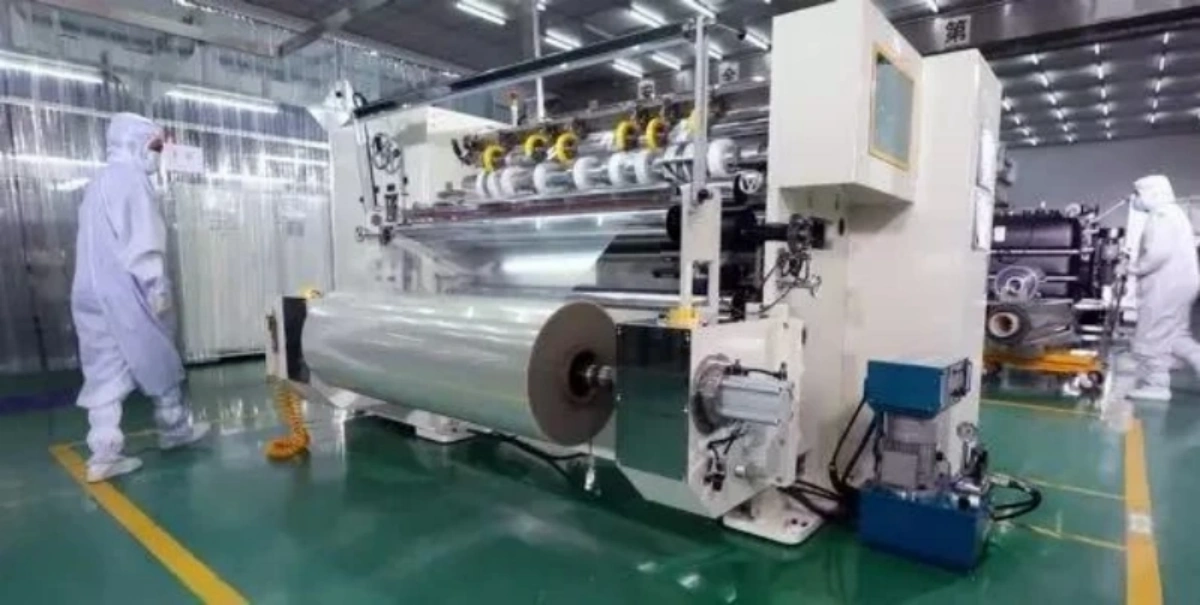
How TPU Redefines PPF:
- Solar Reflection – TPU’s heat-reflective topcoats redefined PPF from heat-absorbing covers to cooling solutions reducing interior temperatures by 5–8°C.
- Material Safety Shift – TPU’s non-toxic composition redefined PPF from PVC-based films (with harmful plasticizers) to eco-friendly options meeting global safety standards.
- Inclusive Design – TPU’s compatibility with all vehicle makes/models redefined PPF from luxury-only products to accessible protection for economy cars and classics.
- Weather Adaptability – TPU’s resistance to rain, snow, and sand redefined PPF from climate-specific products to global solutions for diverse environments.
- Industrial Versatility – Heavy-duty TPU redefined PPF from automotive-only products to industrial solutions for machinery, boats, and aerospace equipment.
- Eco-Friendly Evolution – Recyclable TPU redefined PPF from single-use plastic waste to circular economy products with end-of-life material recovery.
- Low-Maintenance Design – TPU’s self-cleaning properties redefined PPF from high-upkeep products to “set-it-and-forget-it” solutions requiring minimal care.
- Matte Finish Compatibility – TPU’s texture-preserving formulations redefined PPF from gloss-only products to matte-safe films that maintain specialty paint textures.
- High-Traffic Durability – TPU’s abrasion resistance redefined PPF from personal vehicle products to commercial fleet solutions for taxis and delivery vans.
- Low-Cost Repairs – TPU’s patchable design redefined PPF from full-replacement products to affordably repairable systems for minor damage.
The differentiated user group needs matching of PPF:
- Classic Motorcycle Riders – Seek thin (6–7mil) flexible PPF to conform to curved fuel tanks and fairings, protecting vintage paint from belt/buckle scratches.
- Beachside Rental Car Fleets – Choose sand-resistant PPF with enhanced hydrophobicity, reducing cleaning time between rentals in coastal areas.
- Ambulance Fleets – Need chemical-resistant PPF to withstand disinfectant exposure, maintaining markings and paint integrity during emergencies.
- Photography Vehicle Operators – Choose high-gloss PPF for white/light-colored vans to maintain clean backdrops for on-location photoshoots.
- Classic Car Auction Transport – Use temporary protective PPF for transit, shielding vehicles from road debris during transport to auctions.
- Off-Grid Adventurers – Prioritize puncture-resistant PPF with 500% elongation, withstanding brush scratches during remote expeditions.
- Senior Driver Assistance Vehicles – Use scratch-resistant PPF on door edges and bumpers, reducing anxiety about minor parking mishaps.
- Mobile Library Vans – Prefer child-friendly scratch-resistant PPF, withstanding frequent door slams and book cart impacts during outreach.
The materials and technologies of PPF:
- Smart damage detection layer: Embeds micro-sensors that interact with smartphone apps to alert users of hidden impacts or coating wear via subtle color shifts.
- Multi-layer color gradient: Creates seamless transitions between colors (e.g., from black to red) using nano-layer deposition techniques.
- Thermal conductivity regulation: Optimizes heat transfer through the film to prevent paint overheating in direct sunlight, reducing thermal stress on clear coats.
- Anti-glare optical optimization: Through coating micro-textures, it reduces mirror reflection glare under direct sunlight, maintaining the visual clarity of the original paint color.
- Rapid curing adhesive technology: Enables full adhesive strength development within 24 hours (vs. 48-72 hours for conventional adhesives), shortening post-installation care time.
- Self-healing quantum dot coating: Uses photoluminescent particles to repair micro-scratches within 10 minutes under sunlight.
- Shape-memory alloy reinforcement: Restores film shape after severe impacts through embedded Ni-Ti alloys.
The user scenarios and value validation of PPF:
- Limousine Services – Maintains pristine black paint on Lincoln Town Cars, with PPF reducing swirl marks from frequent client pickups by 80%.
- Senior Drivers – Reduces anxiety about minor parking mishaps, with PPF hiding 90% of small dents and scratches from low-speed impacts.
- Classic Car Collectors – Preserves original paint on 1960s Corvettes and Porsche 911s, with PPF removable without residue for concours-level restorations.
- Historic Vehicle Restorers – Preserves rare 1930s Ford Model A paint while allowing safe display, with removable PPF avoiding damage to delicate finishes.
- Antique Fire Truck Collectors – Preserves vintage 1950s fire engine paint while allowing parade use, with reversible PPF preventing permanent damage.
- Senior Living Community Shuttles – Maintains accessible van exteriors from wheelchair scrapes, ensuring safe, presentable transport for residents.
- Military Reserve Vehicle Owners – Protects surplus Jeep Wranglers from off-road training damage, maintaining functionality for both duty and leisure use.
- Ride-Share Drivers – Protects Uber and Lyft vehicles from passenger-related scratches, with 90% of drivers avoiding “excessive wear” lease penalties.
- Cold-Climate Users – Prevents salt and ice melt damage in Stockholm and Toronto, with PPF-treated bumpers showing 50% less winter-related etching.
The regulations of PPF and after-sales services:
- EU REACH Compliance – PPF manufacturers must adhere to EU REACH regulations, ensuring all chemicals used in production meet strict safety and environmental standards, particularly for PFAS substances like C9-C14 PFCAs, which are restricted to ≤25 ppb in materials .
- DIY Installation Void Policies – Most warranties, including PurePPF and 3M, void coverage for self-installed films, emphasizing the need for certified professional application .
- WEEE Directive Compliance – End-of-life PPF must be recycled in accordance with the EU’s WEEE directive, promoting circular economy practices for electronic and automotive waste .
- EU Digital Product Passport – PPF manufacturers must disclose material composition and recycling details via the EU’s Digital Product Passport, enhancing supply chain transparency .
- Regional Regulatory Exemptions – Medical device packaging and hazardous goods transportation are exempt from EU PPWR’s recyclability rules, affecting niche PPF applications .
- Solvent-Free Adhesive Requirements – EU REACH and California CARB regulations push PPF producers to adopt solvent-free adhesives, reducing carbon footprints by up to 80% .
AUTOLI(CN) PPF(Paint Protection Film) factory
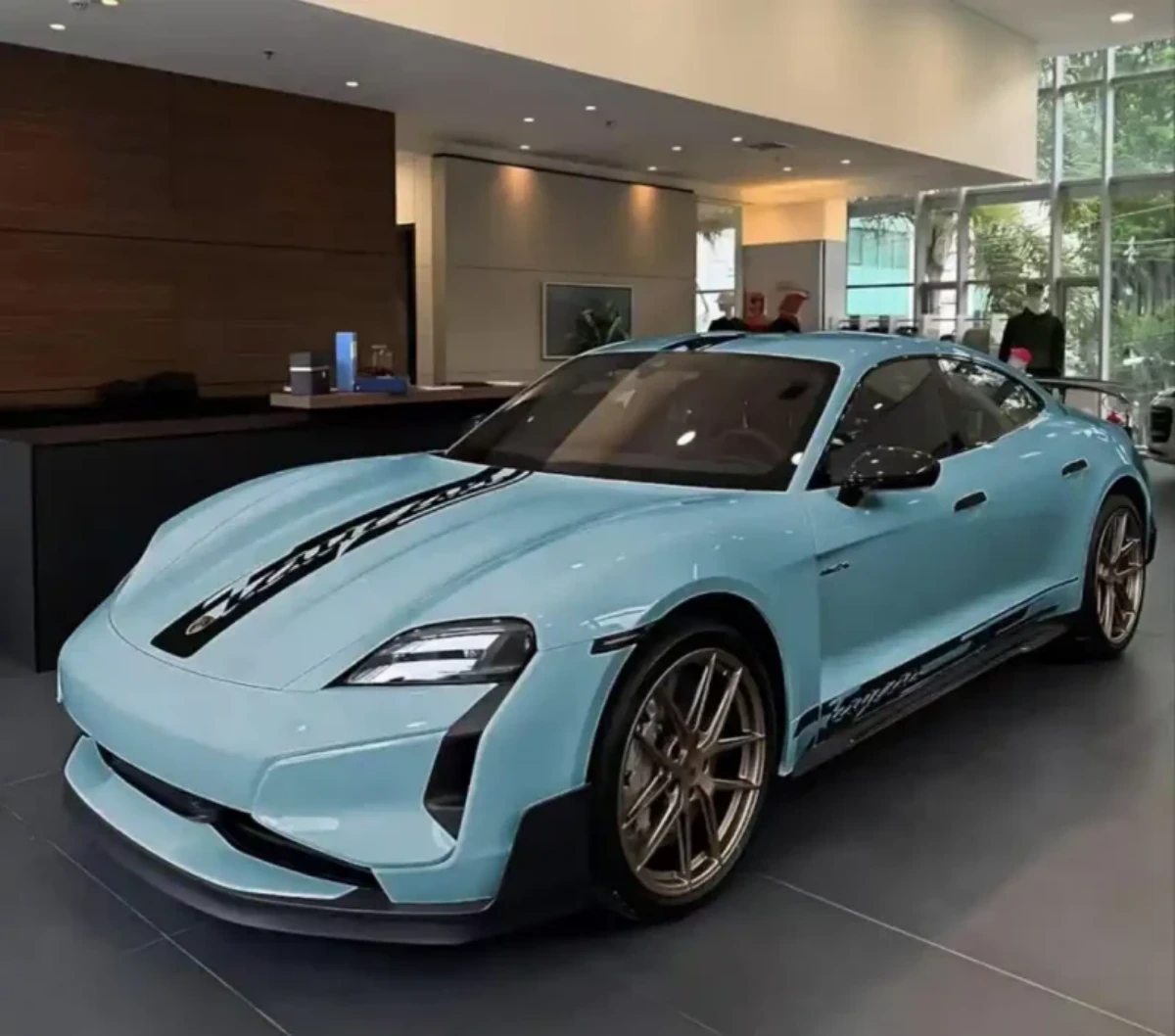
autoli TPU PPF Applied to all brand car models as Lincoln、ford、Volkswagen、Buick.Our factory cooperates with PPF distributor、Auto Repair Center、Auto Detailing、PPF trading、PPF wholesale and all so in many countries and regions around the world,like Denmark,India,Spain,Poland,Portugal,Warranty: 10 years.Our advantages:Strict quality control system;Short production cycle, quick delivery;SGS, ASTM, REACH, UL and other certifications;Our customers are all over the world;Large stock of styles for you to choose from.Our factory also provides Windshield Protection Film、PPF Vinyl Car Wrap、Car Wrap.