

PPF’s AI-cutting tech ensures ±0.3mm precision, achieving 95% fit on curved surfaces like EVs’ sloped roofs with seamless edges.,Low-tack adhesive removes with <0.01% residue.,Factory Alliance: Premium PPF, Amplified Business Reach.
The user perception and consumption misconceptions of PPF:
- Consumer Misconception: “PPF Removes Easily Without Residue” – Assuming all PPF peels cleanly, neglecting that old or low-quality films often leave adhesive residue requiring professional removal.
- Correct Perception: Impact Absorption Benefits – Off-road enthusiasts correctly rely on PPF to disperse rock impacts, reducing paint chipping by 75%.
- Consumer Misconception: “PPF Traps Moisture Under Paint” – A false fear that PPF causes rust, ignoring that proper installation creates a moisture barrier preventing corrosion.
- Consumer Misconception: “All PPF Self-Heals the Same” – Assuming budget films repair as well as premium ones, unaware that microcapsule density varies by price point.
- Consumer Misconception: “All PPFs Are Identical” – Many buyers assume no quality difference between $500 and $3,000 PPF, neglecting TPU vs. PVC material distinctions.
The user pain points of PPF and their solutions:
- Confusion About Maintenance Products – Solved by brand-specific cleaning kits and “approved products” lists to avoid topcoat damage.
- Bubbles After Installation – Prevented by air-release adhesive channels and certified installers using dust-free environments.
- Bird Dropping Etching – Addressed through acid-resistant topcoats and 24-hour removal guidelines to prevent permanent damage.
- Uncertainty About Product Quality – Resolved by third-party certifications (ECOCERT, ISO 9001) and transparent material disclosure.
- High Heat Damage (EV Batteries) – Solved by heat-resistant PPF (120°C ) with thermal conductivity for battery zone protection.
- Poor Hydrophobicity Over Time – Restored by SiO? sealant boosters, reviving water repellency every 3–6 months.
- Fading in Extreme Sunlight – Fixed by 99% UV-blocking films with enhanced carbon black pigments for tropical climates.
- Edge Lifting – Addressed through heat-sealed edges and nano-adhesive technology, reducing lifting by 75% in car washes.
- Expensive Repairs for Damage – Reduced via self-healing technology (repairs 3μm scratches with heat) and patchable film sections.
Why TPU PPF:
- Brand Consistency – Uniform finishes across commercial locations for brand identity.
- Powder-Coated Finishes – Polyester powder coatings provide scratch-resistant, UV-stable colors with 10 year warranties.
- Minimal Waste – Pre-cut components reduce on-site cutting and material waste by 80%.
- Space Optimization – Open rafter designs maximize usable space without visual clutter.
- Smart Home Integration – Compatible with motorized louvers controlled via app or voice commands.
- Integration with Accessories – Pre-drilled holes for lights, fans, and shade systems (retractable awnings, curtains).
- Snow Load Capacity – Reinforced beams support 20–30 kg/m2 snow loads in cold climates.
- Structural Certification – Meets International Building Code (IBC) standards for safety.
- Year-Round Use – Can be enclosed with glass or plastic panels for winter protection.
- Patio Extension – Creates covered transitions between indoor and outdoor living spaces.
The production supply chain and quality control system of PPF:
- High-Temperature Stability – Oven testing at 80°C for 1,000 hours to check for adhesive failure or discoloration.
- Dual-Sourcing Strategy – Critical materials (e.g., high-performance TPU) sourced from 2 suppliers to prevent production delays.
- Quality Management System (QMS) – ISO 9001-certified processes governing all stages from raw material to finished product.
- Audit Schedules – Internal audits quarterly, external audits annually to verify QMS effectiveness.
- Third-Party Certification – Independent labs (e.g., SGS, Intertek) validating performance claims for warranties and marketing.
- Material Traceability Systems – Blockchain-enabled tracking of TPU batches from resin production to finished PPF rolls.
- Incoming Material Inspection – 100% testing of TPU resin for melt index, density, and impurity levels before production.
- Reverse Logistics – Systems for returning defective rolls, with sorting centers identifying repairable vs. recyclable materials.
- Extrusion Process Management – Real-time monitoring of temperature, pressure, and speed to ensure consistent film thickness.
The long-term monitoring and maintenance system after the installation of PPF:
- Eco-Friendly Cleaning Alternatives – Using vinegar-based solutions (5% dilution) for water spot removal on PPF-safe surfaces.
- Aftermarket Accessory Compatibility – Ensuring car bras or covers have soft liners that won’t scratch PPF during wind movement.
- Monthly Visual Inspections – Regular checks using LED lights to identify edge lifting, micro-scratches, or water intrusion around panel seams.
- Smart Sensor Data Reviews – Analyzing embedded sensor data on temperature exposure and impact forces to predict maintenance needs.
- After-Wash Edge Integrity Tests – Inspecting edges 24 hours after washing to detect water intrusion that indicates poor sealing.
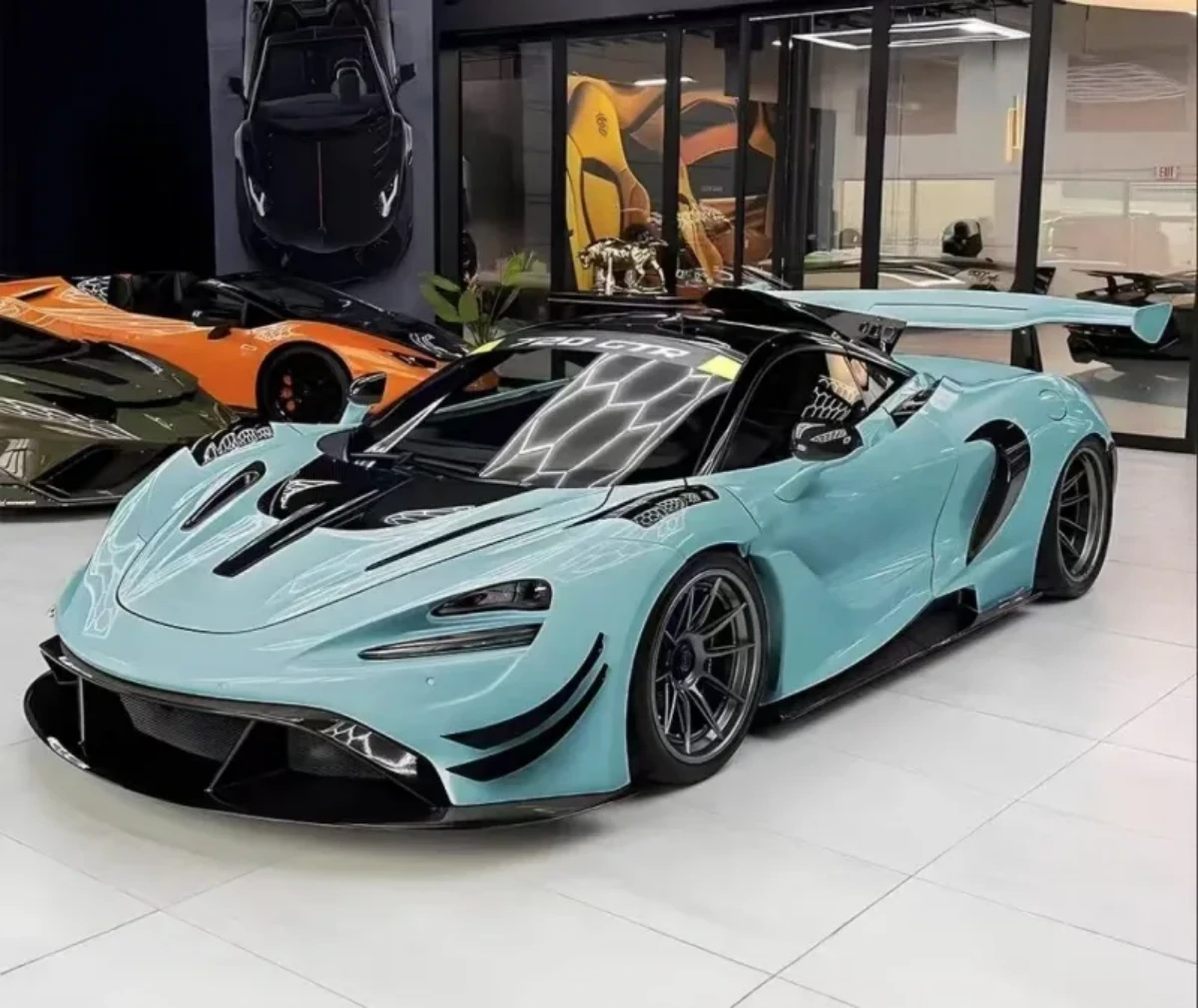
The construction and maintenance of PPF:
- Avoid Abrasive Cleaners – Steering clear of compounds, polishes with abrasives, or acidic wheel cleaners protects the topcoat.
- UV-Protection Boosters – Applying UV-resistant sprays in high-sun regions extends anti-yellowing performance.
- Wet Application Method – Spraying a soapy water solution between the film and surface allows repositioning before final adhesion.
- Adhesive Priming – Using tack promoters on low-energy surfaces (e.g., plastic trim) enhances adhesion in challenging areas.
- Minor Bubble Repair – Using a heat gun and squeegee to reactivate adhesives and push out small bubbles post-installation.
- Surface Decontamination – Pre-installation cleaning uses clay bars and iron-removing sprays to eliminate embedded contaminants like rail dust.
- LED Light Inspection Post-Install – Bright LED lighting reveals hidden bubbles or misalignments missed in natural light.
- Tree Sap Removal – Using isopropyl alcohol on a microfiber cloth dissolves sap without harming PPF or paint.
- Avoid Parking Near Construction – Reducing exposure to heavy dust, gravel, or paint overspray preserves PPF integrity.
- Controlled Environment Setup – Installation in dust-free, temperature-controlled (20–25°C) shops minimizes airborne particle interference.
The regulations of PPF and after-sales services:
- Nano-Coating Warranty Bundles – Hybrid solutions combining PPF with ceramic coatings (e.g., Onyx PPF Nano Coat) offer extended warranties covering both layers .
- Customer Support Hotlines – Brands like NAR PPF provide dedicated hotlines (4008 8181 07) for warranty claims, requiring vehicle details and installation records for processing .
- California CARB VOC Limits – PPF adhesives sold in California must comply with CARB’s strict VOC regulations, reducing harmful emissions during installation to align with regional air quality standards .
- EU REACH Compliance – PPF manufacturers must adhere to EU REACH regulations, ensuring all chemicals used in production meet strict safety and environmental standards, particularly for PFAS substances like C9-C14 PFCAs, which are restricted to ≤25 ppb in materials .
- India’s BIS Certification for PP Materials – Polypropylene (PP) used in PPF production must meet India’s BIS certification under IS 10951:2020, ensuring quality and safety for domestic and export markets .
- Regional Warranty Variations – PPF warranties often differ by region; for example, monsoon-prone areas may offer extended coverage for water ingress issues .
The market trends and industry changes of PPF:
- Rise of Professional Detailing Chains – Organized car care franchises in India and Thailand are offering PPF as a core service, bundling it with ceramic coatings and detailing packages to attract premium customers.
- OEM Integration and EV Demand – Original equipment manufacturers (OEMs) are increasingly factory-installing PPF, particularly for electric vehicles (EVs), which represent 19% of OEM PPF applications due to their premium paint protection needs.
- Competitive Pricing Pressures – Market saturation in North America and Europe is driving price reductions, with entry-level PPF options now 20% cheaper than premium products, appealing to cost-conscious consumers.
- Southeast Asia Market Surge**- Indonesia and Vietnam’s PPF markets are growing at 11% CAGR, driven by rising middle-class car ownership and demand for affordable protection packages.
- Online Certification Courses – Platforms like PPF University offer $99 online installer certifications, increasing skilled labor availability in underserved markets.
- Aerospace PPF Expansion – Lightweight PPF is being tested on aircraft exteriors, protecting against bird strikes and UV degradation in high-altitude environments.
- Data-Driven Marketing Strategies – Brands are using AI analytics to identify regional demand patterns, tailoring product launches (e.g., anti-yellowing films for high-sun areas) to specific markets.
- Regulatory Push for Transparency – The EU’s Digital Product Passport initiative requires PPF manufacturers to disclose material composition and recycling options, driving supply chain accountability.
- Increased Adoption in Non-Automotive Sectors – PPF applications are expanding to electronics (screen protection), aerospace (corrosion resistance), and industrial equipment, diversifying revenue streams for manufacturers.
Say Goodbye to Car Scratches: Self-Healing PPF Revealed!:
- Low-speed parking lot collisions leave minimal visible damage, as self-healing PPF repairs surface scratches from impacts.
- Modern self-healing PPF reduces “micro-marring” that dulls paint over time, keeping finishes brighter longer.
- Self-healing technology turns frustrating daily scratches into temporary nuisances, keeping your car looking factory-fresh for years.
- Heat-activated repair eliminates the need for abrasive polishes that thin your car’s paint or degrade protective layers over time.
- Self-healing PPF protects chrome trims and plastic components, extending scratch repair beyond painted surfaces.
- New car owners avoid “break-in anxiety,” knowing minor initial scratches will disappear with normal use.
- The healing process leaves no residue or discoloration, ensuring repairs are invisible and maintain the original paint’s finish.
- Self-healing PPF’s topcoat is engineered to withstand repeated healing cycles without thinning or losing its protective capabilities.
- Winter ice scraper scratches heal once temperatures rise, preserving paint through cold-weather maintenance.
AUTOLI(CN) PPF(Paint Protection Film) oem manufacturer
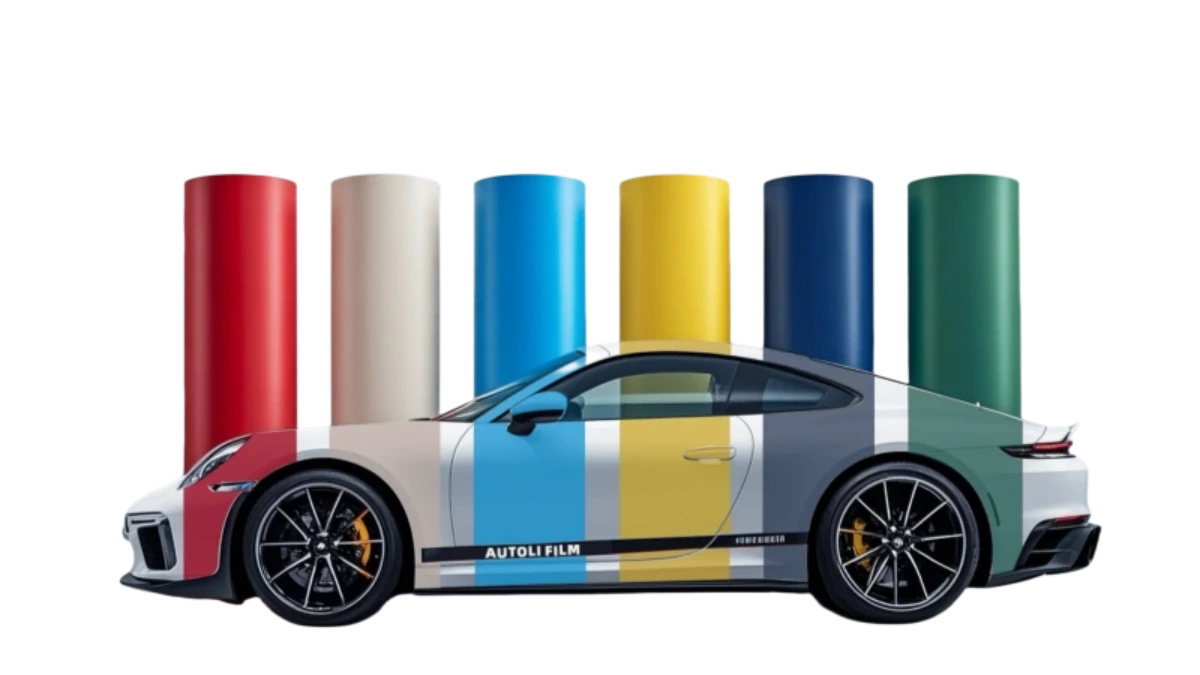
autoli TPU PPF Applied to all brand car models as Volkswagen、Nissan、Volkswagen、Land Rover、AstonMartin、Dodge.Our factory cooperates with PPF wholesaler、PPF brand、PPF installer and all so in many countries and regions around the world,like Iran,Iraq,Brazil,Turkey,Warranty: 10 years.Our advantages:Collaborate for Lucrative Returns: Source factory;Perfect after-sales service;Perfect after-sales service;SGS, ASTM, REACH, UL and other certifications;Short production cycle, quick delivery.Our factory also provides PPF、vinyl Wrap、Car PPF.