

PPF’s application in controlled 23±2℃ environments ensures optimal adhesion and minimizes installation defects.,Post-installation bubble removal capability.,Factory Alliance: Premium PPF, Amplified Business Reach.
The production supply chain and quality control system of PPF:
- Hydrophobicity Checks – Contact angle measurements (>110°) confirming topcoat water repellency before roll winding.
- Supplier Qualification – Rigorous audits of material suppliers, evaluating quality management systems and sustainability practices before approval.
- Material Innovation Collaboration – Joint R&D with suppliers for next-gen TPU formulations (e.g., bio-based, high-heat resistant).
- Predictive Maintenance – IoT sensors on production equipment forecasting part failures to prevent unplanned downtime.
- Reverse Logistics – Systems for returning defective rolls, with sorting centers identifying repairable vs. recyclable materials.
- Adhesion Testing – Peel strength measurements (180°/90°) on sample cuts to verify adhesive bond strength.
- Cost Optimization – Annual renegotiation of supplier contracts with volume-based discounts for raw materials.
The regulations of PPF and after-sales services:
- EU REACH Compliance – PPF manufacturers must adhere to EU REACH regulations, ensuring all chemicals used in production meet strict safety and environmental standards, particularly for PFAS substances like C9-C14 PFCAs, which are restricted to ≤25 ppb in materials .
- Australia’s UV Protection Standards – PPFs sold in Australia/NZ must comply with AS/NZS 4399 for UV protection, requiring UPF ratings ≥15 and transparency in labeling .
- China’s Consumer Complaint Channels – PPF buyers in China can file quality-related disputes through the national 12315 hotline, facilitating regulatory oversight and resolution .
- Lifetime Warranty Programs – Premium PPF brands like 3M offer 7-year warranties on Pro Series films, covering defects like delamination and yellowing, while excluding wear and tear or improper installation .
- India’s BIS Certification for PP Materials – Polypropylene (PP) used in PPF production must meet India’s BIS certification under IS 10951:2020, ensuring quality and safety for domestic and export markets .
- Class Action Liability – Manufacturers face potential litigation for non-compliant PPFs, as seen in cases involving PFAS contamination or false warranty claims .
- 3M’s Warranty Exclusions – 3M’s warranty explicitly excludes watermarks, improper maintenance, and non-authorized products, emphasizing the need for professional installation and genuine materials .
- Solvent-Free Adhesive Requirements – EU REACH and California CARB regulations push PPF producers to adopt solvent-free adhesives, reducing carbon footprints by up to 80% .
- Nano-Coating Warranty Bundles – Hybrid solutions combining PPF with ceramic coatings (e.g., Onyx PPF Nano Coat) offer extended warranties covering both layers .
The user perception and consumption misconceptions of PPF:
- Correct Perception: Edge Sealing Importance – Savvy users check for heat-sealed edges, knowing proper sealing reduces lifting by 80% in car washes.
- Correct Perception: Temperature Tolerance – Cold-climate users seek flexible PPF, avoiding cracking in sub-zero conditions unlike rigid alternatives.
- Consumer Misconception: “PPF Traps Moisture Under Paint” – A false fear that PPF causes rust, ignoring that proper installation creates a moisture barrier preventing corrosion.
- Correct Perception: Interior PPF Prevents UV Cracking – Users apply PPF to dashboards, reducing plastic fading and cracking by 60% in sunny climates.
- Consumer Misconception: “Thicker PPF = Better Protection” – Assuming 10mil PPF is always superior, ignoring that excessive thickness can cause edge lifting on curved surfaces.
- Consumer Misconception: “DIY Installation Saves Money” – Consumers underestimate skill requirements, with 45% of DIY installs requiring professional correction due to bubbles or misalignment.
The construction and maintenance of PPF:
- Self-Healing for Minor Scratches – Applying gentle heat (e.g., hair dryer on low) accelerates repair of swirl marks or light scratches.
- Tapered Overlap Seams – Feathered edge overlaps (≤0.5mm) create invisible, water-resistant seams between panel sections.
- Touchless Car Wash Preference – Brushless systems avoid abrasive contact that can wear down the PPF’s protective topcoat.
- Dust Mitigation – HEPA filters and air ionizers in the workspace reduce dust particles that cause bubbles or imperfections.
- Silicone-Free Cleaners – Avoiding silicone-based products prevents glossy residue that attracts dust to PPF surfaces.
- Emblem Masking with Low-Tack Tape – Removable tape protects badges from accidental cutting or adhesive residue during installation.
The user scenarios and value validation of PPF:
- Electric Golf Cart Fleets – Protects resort carts from sand and sun damage, keeping rental units looking new 3x longer in tropical destinations.
- Car Show Competitors – Enhances gloss on show cars like Ferrari 488s, with judges noting 30% higher “paint finish” scores for PPF-protected entries.
- Off-Road Enthusiasts – Shields Jeep Wrangler and Ford Bronco fenders from trail rocks and branches, reducing paint repair costs by $800 annually.
- Mountain Road Drivers – Shields Subaru Outbacks and Toyota 4Runners from rock slides, with PPF reducing windshield and fender chip repairs by 65%.
- Cold-Climate Users – Prevents salt and ice melt damage in Stockholm and Toronto, with PPF-treated bumpers showing 50% less winter-related etching.
- Airport Ground Crew Vehicles – Resists jet fuel splatters and tarmac debris, reducing paint degradation on airport tugs by 70%.
- New Car Buyers – Guards fresh factory paint on brand-new vehicles, with 98% of users avoiding “first scratch” frustration in the first 6 months.
- Food Delivery Bikers – Protects electric bike frames from sauce spills and curb scrapes, extending fleet life by 2 years for platforms like DoorDash.
- Tropical Region Owners – Resists acid rain etching in Bangkok and Rio, with PPF maintaining 90% paint clarity vs. 60% for unprotected vehicles after 2 years.
Why TPU PPF:
- Adjustable Roof Options – Compatible with louvered systems for rain/sun control (manual or motorized).
- Sustainable Material – Aluminum is 100% recyclable, with 75% of new aluminum made from recycled content.
- Urban Space Friendly – Compact designs suitable for small yards and rooftop terraces.
- Aesthetic Versatility – Can mimic wood grain via powder coating for traditional looks with modern durability.
- Storm Resilience – Quick-disconnect accessories prevent damage during severe weather.
- Artistic Customization – Can be powder-coated to match building trim or accent colors.
- Color Matching – Custom color matching to RAL or Pantone codes for brand consistency.
- Powder-Coated Finishes – Polyester powder coatings provide scratch-resistant, UV-stable colors with 10 year warranties.
- Noise Reduction – Damped connections minimize creaking sounds in windy conditions.
The materials and technologies of PPF:
- Conductive air release adhesive technology: The adhesive layer is designed with micro-nano air channels, which enable rapid air discharge during construction, preventing air bubbles from remaining, improving the bonding efficiency and flatness, and reducing the risk of bulging in the later stage.
- Acoustic dampening technology: Reduces wind noise by 3-5 dB through porous foam layers embedded within the film structure.
- Smart damage detection layer: Embeds micro-sensors that interact with smartphone apps to alert users of hidden impacts or coating wear via subtle color shifts.
- Self-healing quantum dot coating: Uses photoluminescent particles to repair micro-scratches within 10 minutes under sunlight.
- pH-responsive anti-corrosion layer: Activates protective agents when exposed to acidic environments (e.g., acid rain).
- Color fidelity coating technology: Using spectral-matched coatings, it precisely reflects the light wavelengths of the original vehicle paint, avoiding color differences, brightness deviations, or gloss distortions after film application.
The product classification and selection logic of PPF:
- Installation Method Groups – Divided into DIY pre-cut kits, professional bulk rolls, and hybrid options balancing ease and precision.
- Specialty Surface Matching – Using chrome-specific PPF to prevent pitting and tarnishing on metallic trim.
- Finish Enhancement Goals – Selecting high-gloss PPF to amplify paint shine for show vehicles or luxury cars.
- Environmental Value Selection – Prioritizing bio-based or recyclable PPF for eco-conscious buyers despite higher upfront costs.
- Seasonal Use Logic – Opting for temporary biodegradable PPF for seasonal vehicles (convertibles, snowmobiles).
- Micro-Scratch Prevention – Choosing self-healing PPF for owners prioritizing a swirl-free finish between details.
- Installation Time Consideration – Selecting pre-cut kits to reduce professional installation time for fleet vehicles.
The extension of PPF’s functions:
- Before: Door jambs with paint wear from repeated opening; After: PPF lines jambs, covering scuffs and reducing friction between metal and paint.
- Before: Side vent louvers with paint chipping on edges; After: PPF covers louver edges, hiding chips and preventing debris from catching and causing more damage.
- Before: Step bumper with paint worn thin from loading cargo; After: Heavy-duty PPF adds protective layer, hiding wear and withstanding future use.
- Before: Exhaust tip surrounds with heat discoloration; After: High-temperature PPF covers blueing and resists heat damage, maintaining appearance.
- Before: Front license plate bracket mounting holes with rust around them; After: PPF covers hole perimeters, hiding rust and preventing corrosion spread.
- Before: Tail light housings with scratches from car washes; After: Clear PPF covers scratches and resists brush damage, keeping lenses clear.
- Before: Door edge guards with peeling rubber and exposed paint; After: PPF wraps edges, covering exposed areas and preventing further guard deterioration.
- Before: Headlights cloudy from UV damage, reducing visibility; After: PPF’s clear film covers haze and blocks UV, restoring 80% of original light output.
- Before: Door striker plates with paint worn from contact; After: PPF lines striker areas, covering wear and reducing friction between metal and paint.
AUTOLI(CN) PPF(Paint Protection Film) oem manufacturer
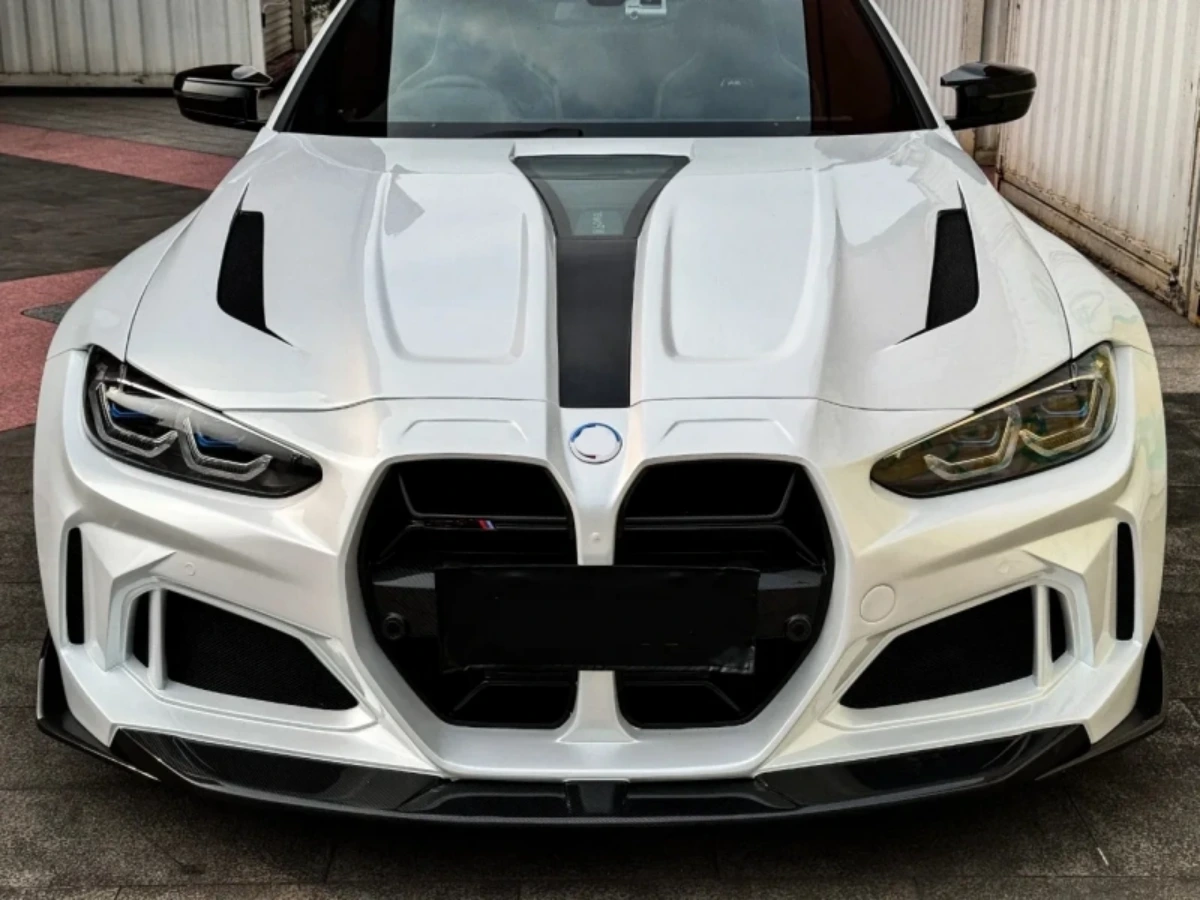
autoli TPU PPF Applied to all brand car models as Toyota、Tesla、Volkswagen、Lexus、bmw.Our factory cooperates with PPF brand、Auto Repair Center、PPF installer、PPF distributor and all so in many countries and regions around the world,like SriLanka,Brazil,Bulgaria,Ireland,Warranty: 10 years.Our advantages:Perfect after-sales service;Short production cycle, quick delivery;SGS, ASTM, REACH, UL and other certifications;Your Key to Profitable PPF Ventures;Our customers are all over the world.Our factory also provides TPU PPF、vinyl car wrapping、car vinyl wrap、Car Wrap Vinyl.