

PPF’s softness allows it to “give” under impact, then return to shape, unlike rigid films that crack on impact.,No aerodynamic impact on vehicle performance.,Bulk Gloss/Matt PPF – TüV Tested, Export Ready.
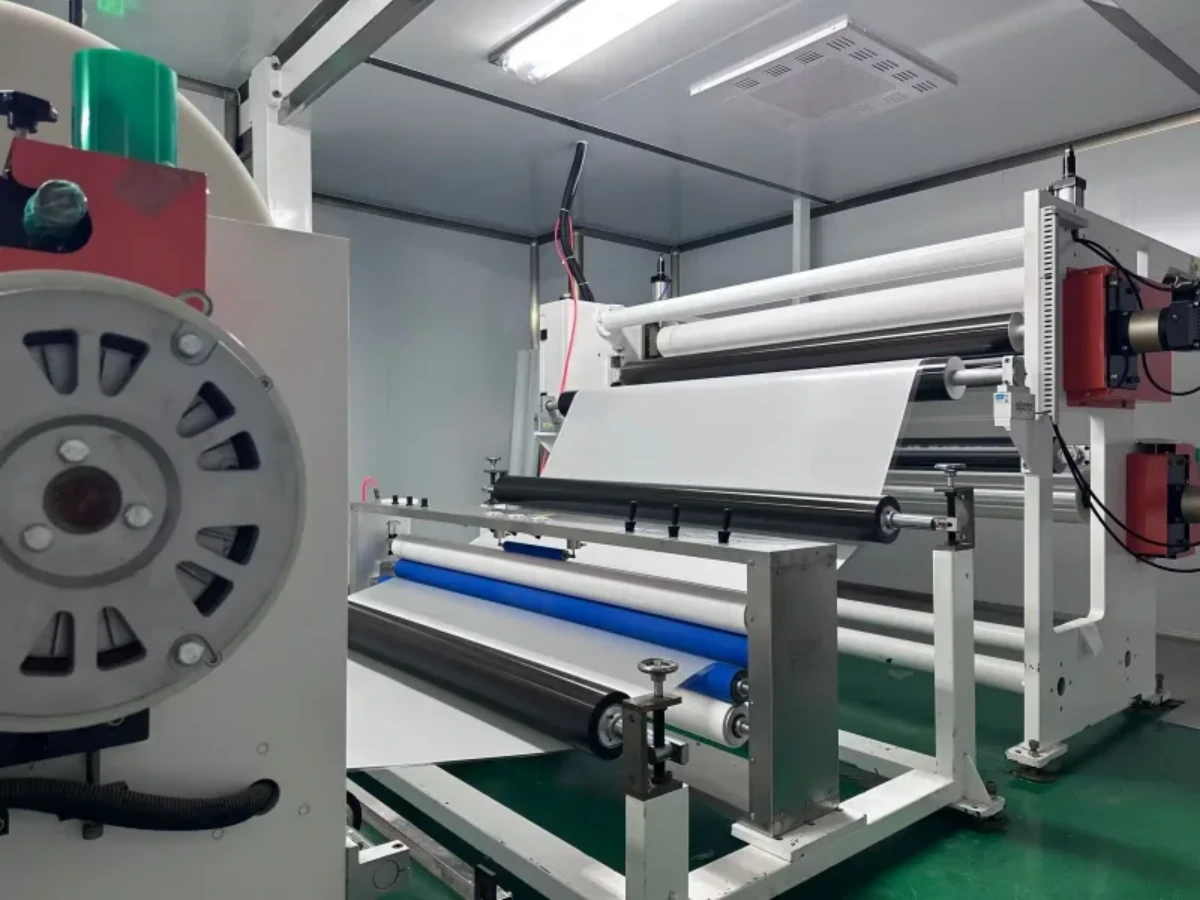
The production supply chain and quality control system of PPF:
- Regulatory Compliance Support – Suppliers providing documentation for REACH, FDA, and OEM material approvals.
- Third-Party Certification – Independent labs (e.g., SGS, Intertek) validating performance claims for warranties and marketing.
- Thickness Gauging – Laser sensors measuring film thickness every 0.5 seconds, ensuring ±0.1mil tolerance.
- Additive Supply Chain – Strategic partnerships with specialty chemical firms for UV stabilizers, self-healing agents, and nano-ceramic additives.
- Waste Management Partnerships – Collaboration with recycling firms to process production scrap into secondary TPU materials.
- Carbon Footprint Tracking – Lifecycle analysis of supply chain emissions, with reduction targets for transportation and production.
- Impact Resistance Validation – Dart impact tests (160g at 3m) ensuring films resist punctures under standard conditions.
- Six Sigma Projects – DMAIC methodology applied to reduce variation in critical processes (e.g., coating uniformity).
The market trends and industry changes of PPF:
- Local Sourcing Trends – Post-pandemic, 55% of North American PPF brands source TPU locally, reducing supply chain delays by 30%.
- Circular Economy Initiatives – Closed-loop recycling programs for end-of-life PPF are being piloted, with companies like MBA Polymers achieving 80% carbon reduction in recycled PP production.
- Integration of Ceramic Coatings – PPF-safe ceramic coatings applied post-installation (e.g., Onyx PPF Nano Coat) boost scratch resistance by 40%, creating hybrid protection solutions.
- Sustainability-Driven Material Shifts – The EU’s Packaging and Packaging Waste Regulation (PPWR) mandates recyclable materials by 2030, prompting PPF manufacturers to adopt bio-based TPU and recycled polypropylene (PP) to reduce environmental impact.
- IoT-Enabled Performance Monitoring – Smart PPF prototypes with embedded sensors are being tested to monitor UV exposure and damage levels, providing real-time data for predictive maintenance.
- Commercial Fleet Adoption – Delivery giants like Amazon and JD.com are equipping 70% of new vans with PPF, reducing fleet repaint costs by $300 per vehicle annually.
The production supply chain and quality control system of PPF:
- Regulatory Compliance Support – Suppliers providing documentation for REACH, FDA, and OEM material approvals.
- Third-Party Certification – Independent labs (e.g., SGS, Intertek) validating performance claims for warranties and marketing.
- Thickness Gauging – Laser sensors measuring film thickness every 0.5 seconds, ensuring ±0.1mil tolerance.
- Additive Supply Chain – Strategic partnerships with specialty chemical firms for UV stabilizers, self-healing agents, and nano-ceramic additives.
- Waste Management Partnerships – Collaboration with recycling firms to process production scrap into secondary TPU materials.
- Carbon Footprint Tracking – Lifecycle analysis of supply chain emissions, with reduction targets for transportation and production.
- Impact Resistance Validation – Dart impact tests (160g at 3m) ensuring films resist punctures under standard conditions.
- Six Sigma Projects – DMAIC methodology applied to reduce variation in critical processes (e.g., coating uniformity).
The user perception and consumption misconceptions of PPF:
- Consumer Misconception: “PPF Can Be Applied in Rainy Weather” – Attempting installation in humid conditions, increasing bubble risks due to moisture trapped under film.
- Consumer Misconception: “All Warranties Cover Everything” – Misreading warranties to include damage from accidents or improper cleaning, leading to denied claims.
- Consumer Misconception: “New Car Paint Is ‘Protected’ from Factory” – Trusting factory clear coats alone, unaware they lack the impact resistance of PPF.
- Correct Perception: Long-Term Cost Savings – 68% of users understand PPF reduces repaint costs over 5 years, aligning with data showing $2,000 savings on luxury vehicles.
- Correct Perception: Quick Healing for Minor Damage – Users appreciate sunlight-activated healing, with 85% reporting scratches disappearing within 24 hours in warm weather.
- Consumer Misconception: “Lifetime Warranty Means Forever” – Misunderstanding that “lifetime” warranties cover all damage, when most exclude improper maintenance or extreme impacts.
- Consumer Misconception: “PPF Removes Easily Without Residue” – Assuming all PPF peels cleanly, neglecting that old or low-quality films often leave adhesive residue requiring professional removal.
The protective performance of PPF:
- Ceramic Coating Compatibility – Optional ceramic layers enhance hydrophobicity for easier cleaning and water repellency.
- RAPID EDGE? Technology – Simplifies installation with warm water activation, reducing chemical reliance and securing edges efficiently.
- Easy Interior Maintenance – Wipes clean with mild soap and water, requiring minimal effort to keep surfaces spotless.
- **Resistance to Tree Sap Staining** – Tree sap can be a nuisance as it often leaves sticky and staining marks. PPF resists the adhesion of tree sap and makes its removal much simpler.
- **Mechanical Abrasion Protection** – Protects against abrasions from objects rubbing against the vehicle, such as shopping carts in a parking lot or branches brushing against the side during off – road driving.
Before & After: How PPF Transforms a 10-Year-Old Car:
- Before: Wheel lug nut covers with faded and chipped paint; After: PPF covers covers, preserving color and resisting scratches during tire changes.
- Before: Matte finish dulled by oxidation and fine scratches; After: Matte-specific PPF preserves texture while restoring vibrancy, eliminating “shiny spots” from wear.
- Before: Rocker panels with mud and salt damage from winters; After: PPF’s corrosion-resistant layer covers rust-prone areas and blocks future salt intrusion.
- Before: Hood prop rod mounting point with paint worn from contact; After: PPF covers mounting area, hiding wear and reducing friction damage from prop rod.
- Before: Rear wiper arm base with rust and paint peeling; After: PPF seals the base, covering rust and preventing water intrusion that causes further damage.
- Before: Rear wiper blade pivot point with rust; After: PPF seals the pivot, covering rust and preventing water from accelerating corrosion.
- Before: Wheel arches with paint chipping from gravel; After: Thick 10mil PPF lines arches, hiding existing damage and preventing new chips during turns.
- Before: Front license plate frame with rust staining; After: PPF covers frame edges, hiding stains and preventing rust from spreading to bumper paint.
- Before: Bumper with yellowed clear coat and road rash; After: PPF’s anti-yellowing formula covers discoloration and shields against future road debris damage.
- Final transformation: A 10-year-old car, once showing decades of wear, looks refreshed and protected with PPF, extending its aesthetic life by 5 years.
The user pain points of PPF and their solutions:
- Uncertainty About Product Quality – Resolved by third-party certifications (ECOCERT, ISO 9001) and transparent material disclosure.
- DIY Installation Failures – Resolved with pre-cut laser patterns, air-release adhesives, and step-by-step video tutorials.
- Matte Paint Distortion – Solved by matte-specific PPF (20–30% gloss) designed to preserve texture without shine spots.
- Unclear Warranty Coverage – Clarified via digital warranty passports detailing exclusions (wear, improper maintenance) and inclusions.
- Bubbles After Installation – Prevented by air-release adhesive channels and certified installers using dust-free environments.
- Warranty Claim Denials – Prevented by transparent warranty terms, certified installer networks, and digital claim tracking.
- ADAS Sensor Interference – Prevented by radar-transparent PPF (99.9% signal transmission) tested with OEM systems.
- Scratches from Automated Car Washes – Prevented by scratch-resistant topcoats (9H hardness) and “brushless wash safe” certifications.
The cost structure and price composition of PPF:
- Equipment Rental Fees – Laser cutters and heat guns add $20–$50 per install to professional service costs.
- Quality Control Expenses – Automated inspection systems add 3–5% to production costs but reduce warranty claims by 40%.
- Facility Overhead – Factory rent, utilities, and maintenance add $0.30–$0.60 per square foot to production costs.
- Currency Fluctuation Impact – Dollar/Euro volatility adds 3–5% price variability for cross-border transactions.
- Economic Downturn Pricing – Recessionary periods see 5–10% price reductions to maintain sales volume.
- Import Duties & Tariffs – Regional tariffs (e.g., 10% in EU) increase landed costs by 5–12% for imported PPF.
- Loyalty Program Discounts – Repeat customers receive 5–15% off, reducing margins but increasing retention.
The product classification and selection logic of PPF:
- Fleet Uniformity Selection – Choosing consistent PPF formulations for commercial fleets to simplify maintenance and appearance.
- Resale Value Protection – Investing in premium PPF for high-value vehicles to maintain paint condition for resale.
- Damage Risk Evaluation – Upgrading to impact-resistant PPF for off-road vehicles or high-debris work environments.
- Anti-Static Needs – Selecting carbon-infused PPF for dust-prone environments to reduce surface dirt accumulation.
- Installation Environment Adaptation – Selecting low-temperature curing PPF for professional shops without climate control.
AUTOLI(CN) PPF(Paint Protection Film) oem factory
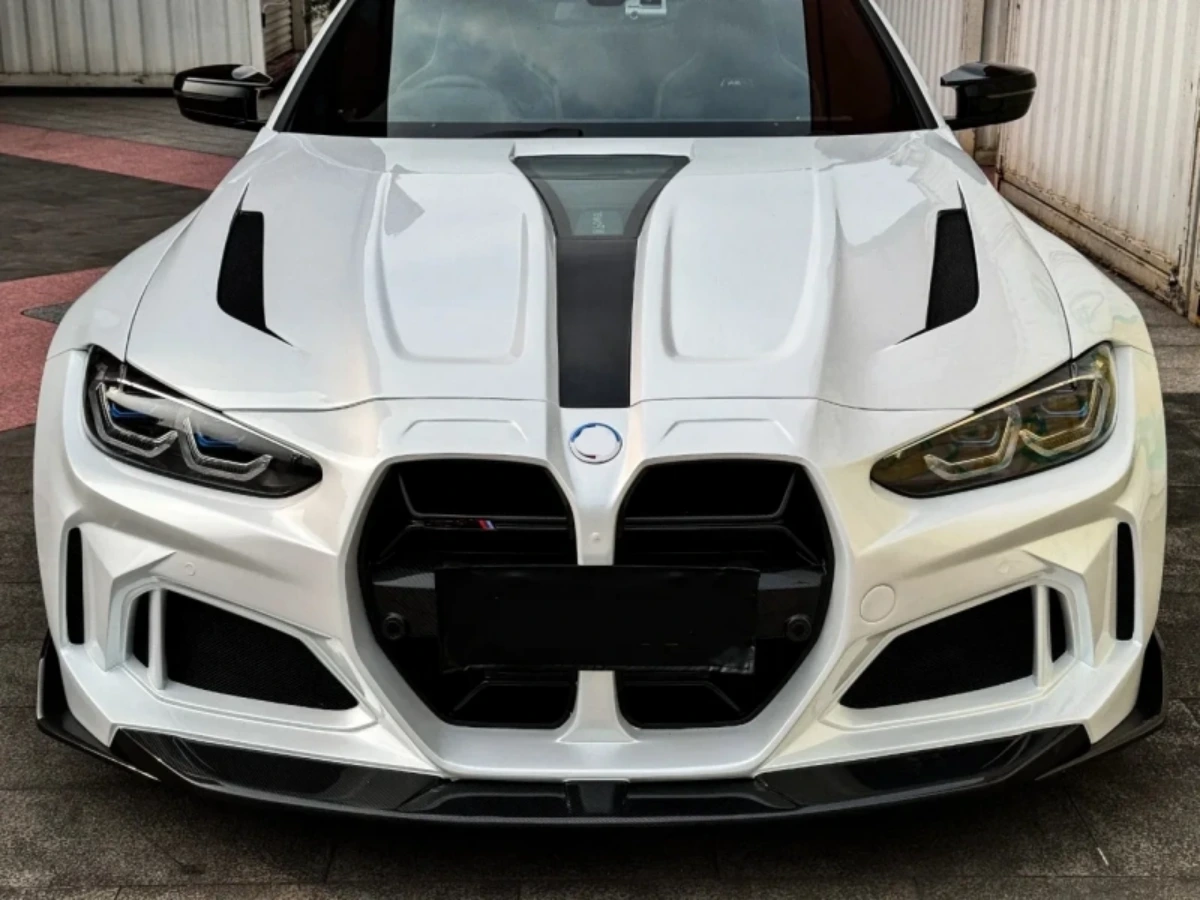
autoli TPU PPF Applied to all brand car models as Ferrari、Land Rover、volvo、jeep.Our factory cooperates with PPF wholesaler、AutoZone、Auto Spa、PPF wholesale、PPF distributor and all so in many countries and regions around the world,like Malta,Italy,Jamaica,Switzerland,Peru,United States,Warranty: 10 years.Our advantages:Strict quality control system;Unlock Business Growth with Our Factory’s PPF;High quality raw materials and advanced technology;Perfect after-sales service.Our factory also provides PPF、Car Wraps、Car Paint Protection Film.