

PPF’s matte variants (Ra 0.8-1.6μm) create premium abrazine texture, reducing swirl marks and enhancing dark car depth.,Minimizes parking lot door ding damage.,Partner with Our Factory: PPF Secrets to Multi – Fold Profit Leaps.
Say Goodbye to Car Scratches: Self-Healing PPF Revealed!:
- Even after 5 years of use, self-healing PPF retains 80% of its repair efficiency, extending its aesthetic lifespan beyond basic protection.
- Self-healing technology keeps PPF “invisible” over time, as scratches don’t accumulate to create a cloudy appearance.
- Off-road enthusiasts enjoy scratch repair from trail debris, maintaining vehicle appearance without limiting adventure.
- Self-healing PPF protects chrome trims and plastic components, extending scratch repair beyond painted surfaces.
- Parking lot dings, shopping cart brushes, and accidental scrapes heal automatically, reducing the need for costly detailing or touch-ups.
- Years of healing cycles won’t thin the film—PPF retains 90% of its original thickness, avoiding premature replacement.
- Car dealerships keep demo vehicles looking new with self-healing PPF, reducing reconditioning costs between test drives.
- Self-healing PPF outperforms “scratch-resistant” claims by actively reversing damage rather than just delaying visible wear.
- Healing speed increases with temperature, making summer the perfect season for quick scratch reversal on hot days.
The long-term monitoring and maintenance system after the installation of PPF:
- Impact Damage Documentation – Taking timestamped photos of chips/scratches to monitor self-healing progress over weeks.
- Cross-Seasonal Adjustments – Increasing cleaning frequency by 50% in rainy seasons; reducing in dry, dusty climates to minimize friction.
- Bug Splatter Removal Steps – Soaking splatters with bug remover spray for 2 minutes before gently wiping to prevent staining.
- UV Degradation Monitoring – Using colorimeters to measure ΔE values (ΔE 3 requires evaluation).
- Smart Sensor Data Reviews – Analyzing embedded sensor data on temperature exposure and impact forces to predict maintenance needs.
- Coastal Region Salt Damage Checks – Monthly inspections for corrosion under PPF in saltwater zones, focusing on metal trim edges.
The market trends and industry changes of PPF:
- Supply Chain Localization – Regional production hubs in Asia-Pacific are emerging to reduce reliance on Western suppliers, with China and India scaling TPU film manufacturing to meet domestic demand.
- TPU Dominance in Material Innovation – Thermoplastic polyurethane (TPU) films now account for 25% of global PPF installations, with self-healing TPU shipments rising 38% since 2021 due to superior scratch resistance and durability.
- Increased Adoption in Non-Automotive Sectors – PPF applications are expanding to electronics (screen protection), aerospace (corrosion resistance), and industrial equipment, diversifying revenue streams for manufacturers.
- Subscription-Based PPF Services – Startups offer monthly PPF maintenance subscriptions, including cleaning and inspections, with 20% renewal rates after the first year.
- Personalization Trends in Aesthetics – Demand for matte finishes, colored PPF, and custom textures is surging, with TPU-based films offering UV-resistant, self-healing properties to meet consumer preferences for vehicle customization.
- Maintenance App Ecosystems – Brands like XPEL offer apps with PPF care reminders and digital warranty tracking, boosting customer retention by 28%.
The product classification and selection logic of PPF:
- Vehicle Age Consideration – Choosing reversible low-tack PPF for classic cars vs. permanent adhesion for modern vehicles.
- Abrasion Resistance Needs – Upgrading to ceramic-infused PPF for high-traffic areas (door handles, step plates).
- Historical Performance Data – Selecting PPF with proven results in third-party durability tests over untested innovations.
- Regulatory Compliance – Selecting PFAS-free PPF for markets with restrictions on fluorinated chemicals.
- Brand Reputation Consideration – Opting for established brands with proven track records over generic alternatives for reliability.
- Installation Access Logic – Choosing hybrid PPF with air-release adhesives for hard-to-reach areas requiring repositioning.
- Wear Pattern Prediction – Selecting thicker PPF for historically high-wear areas based on vehicle model data.
- Material-Based Classification – Products categorized as TPU, PET, or PVC PPF based on base polymer, dictating flexibility, durability, and cost.
- Pattern Complexity Matching – Opting for laser-cut PPF for vehicles with intricate contours (sports cars, classics).
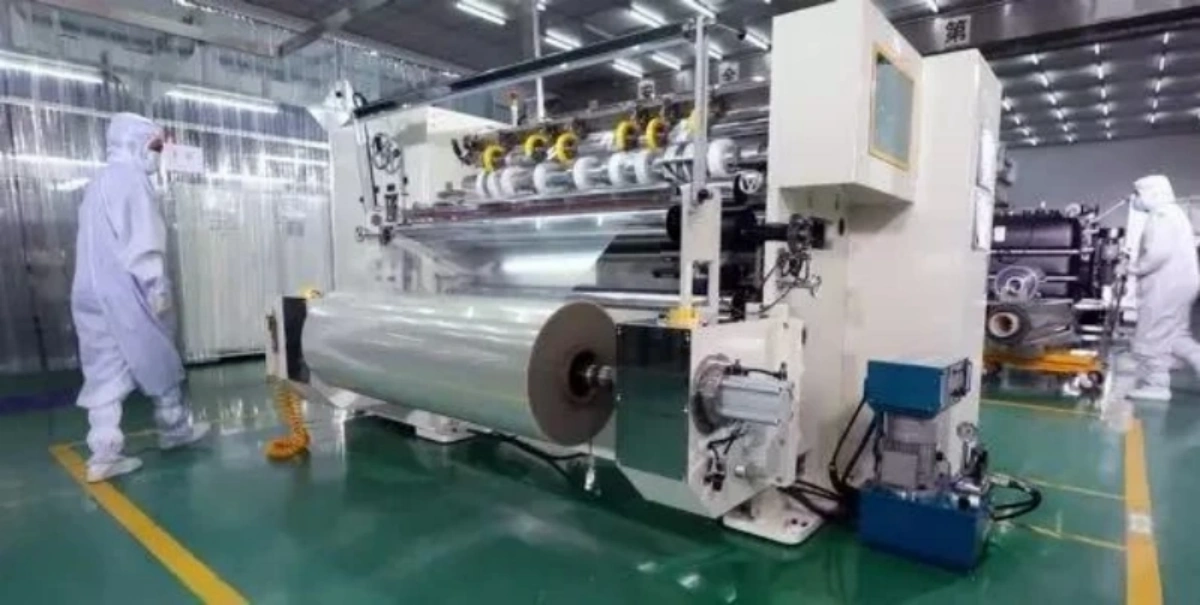
The user pain points of PPF and their solutions:
- Yellowing Over Time – Solved by anti-yellowing formulations with HALS stabilizers and UV absorbers, maintaining clarity for 10 years.
- High Installation Costs – Mitigated by tiered pricing (DIY kits vs. premium pro installs) and financing options for budget flexibility.
- Complex Maintenance – Simplified via pH-neutral cleaning kits, hydrophobic topcoats, and quarterly sealant boosters.
- Scratches from Automated Car Washes – Prevented by scratch-resistant topcoats (9H hardness) and “brushless wash safe” certifications.
- Long Installation Downtime – Reduced to 1–2 days with pre-cut kits and rapid-cure adhesives (24-hour bonding).
- Matte Paint Distortion – Solved by matte-specific PPF (20–30% gloss) designed to preserve texture without shine spots.
- High Heat Damage (EV Batteries) – Solved by heat-resistant PPF (120°C ) with thermal conductivity for battery zone protection.
- Warranty Claim Denials – Prevented by transparent warranty terms, certified installer networks, and digital claim tracking.
- Bubbles After Installation – Prevented by air-release adhesive channels and certified installers using dust-free environments.
The protective performance of PPF:
- Commercial Vehicle Anti-Graffiti – Repels spray paint and markers, allowing quick removal without damaging fleet vehicle finishes.
- **Quick Drying Property** – After a vehicle wash or rain, PPF dries quickly, reducing the time that water sits on the surface and minimizing the risk of water spots.
- Microbial Inhibition Compliance – Meets industry standards for reducing bacteria and germs on touchscreen surfaces.
- Impact Protection – Guards against damage caused by high-speed debris, collisions, and road hazards.
- Scratch Resistance – Protects against minor scratches and abrasions from日常 use and environmental factors.
- Self-Healing in Low-Temperature Conditions – Advanced films like CarPro Immortal? activate self-healing even at -20°C without external heat.
The cutting-edge technology research and development of PPF:
- Nanocellulose Reinforcement – Cellulose nanofibers from wood pulp improve PPF toughness by 200% while maintaining biodegradability.
- Nano-Textured Anti-Icing Surfaces – Laser-induced nanostructures reduce ice adhesion strength by 80%, preventing snow accumulation on vehicles.
- Bio-Based TPU – Algae-derived and waste cooking oil-based TPU reduces carbon footprint by 70% compared to petroleum-based alternatives.
- Antistatic Coatings – Graphene nanoplatelets integrated into topcoats dissipate static charge, preventing dust accumulation in industrial environments.
- Bio-Based Flame Retardant Coatings – Chitosan and ammonium polyphosphate composites provide V-0 rating in UL 94 tests with <1% loading.
- Dynamic Wettability Coatings – pH-responsive surfaces switch between superhydrophobic and hydrophilic states to adapt to varying environmental conditions.
The extension of PPF’s functions:
- Before: Chrome trims tarnished and pitted from weathering; After: PPF’s protective layer covers corrosion and maintains shine, restoring reflective quality.
- Before: Front license plate frame with rust staining; After: PPF covers frame edges, hiding stains and preventing rust from spreading to bumper paint.
- Before: Door window weatherstripping with paint worn where it contacts glass; After: PPF lines contact areas, hiding wear and reducing friction damage.
- Before: Rear wiper arm base with rust and paint peeling; After: PPF seals the base, covering rust and preventing water intrusion that causes further damage.
- Before: Front license plate bracket with rust and paint loss; After: PPF covers bracket edges, hiding rust and preventing water from worsening corrosion.
- Before: Tailgate hinge areas with paint worn from movement; After: PPF covers hinges, hiding wear and reducing friction during tailgate operation.
- Before: Antenna base with rust spreading to surrounding paint; After: PPF seals the base, covering rust and preventing moisture from worsening corrosion.
Before & After: How PPF Transforms a 10-Year-Old Car:
- Before: Step bumper with paint worn thin from loading cargo; After: Heavy-duty PPF adds protective layer, hiding wear and withstanding future use.
- Before: Side skirts with scrapes from curbs and speed bumps; After: Thick PPF hides scrapes and absorbs impact energy, preventing new damage on low-hanging parts.
- Before: Side vent louvers with paint chipping on edges; After: PPF covers louver edges, hiding chips and preventing debris from catching and causing more damage.
- Before: Rear spoiler with cracked clear coat from sun exposure; After: UV-stable PPF covers cracks and prevents further clear coat breakdown.
- Before: A-pillars with tree branch scratches from off-road use; After: PPF’s scratch-resistant topcoat hides marks and protects during future trail adventures.
AUTOLI(CN) PPF(Paint Protection Film) factory
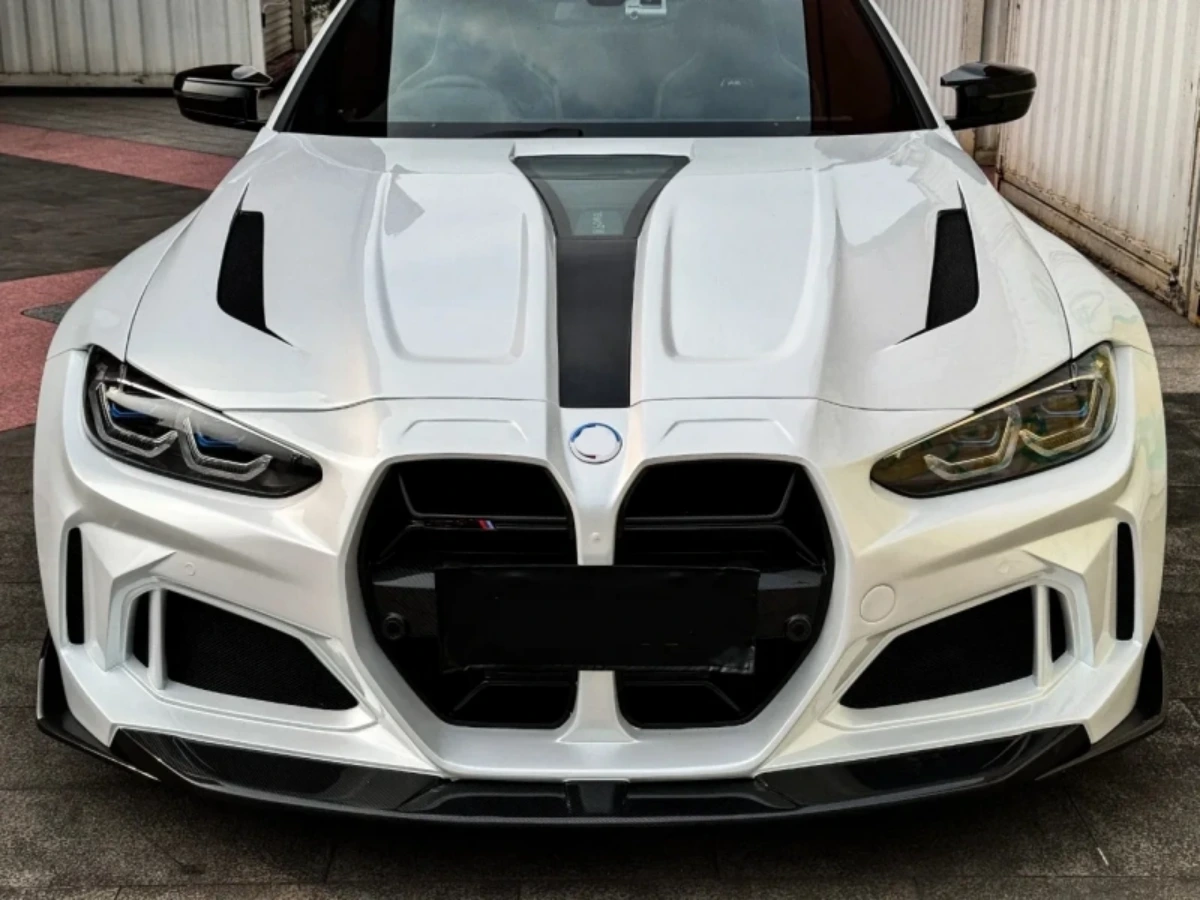
autoli TPU PPF Applied to all brand car models as Maserati、Dodge、Lamborghini、acura.Our factory cooperates with PPF brand、Auto Detailing Shop、PPF wholesaler、PPF agent、Auto Detailing Shop and all so in many countries and regions around the world,like Luxembourg,Denmark,Sweden,Uruguay,Warranty: 10 years.Our advantages:Your Key to Profitable PPF Ventures;Our customers are all over the world;Unlock Business Growth with Our Factory’s PPF.Our factory also provides PET FILM、Car Paint Protection Film.