

PPF’s low surface energy resists dust adhesion, keeping cars cleaner longer between washes in dry, dusty regions.,Winter heater activates self-healing function.,Collaborate with Factory: Certified PPF, Strengthened Market Position.
The protective performance of PPF:
- Ceramic Coating Compatibility – Optional ceramic layers enhance hydrophobicity for easier cleaning and water repellency.
- Transferable Warranty – Enhances resale appeal by extending coverage to subsequent owners, adding value.
- Acid Rain Etching Resistance – Neutralizes acidic pollutants in rain, preventing pitting and corrosion on painted surfaces.
- 10-Year Warranty Coverage – Protects against yellowing, cracking, delamination, and bubbling for decade-long peace of mind.
- Edge Adhesion Assurance – Proper surface preparation and squeegee pressure prevent edge lifting, ensuring long-term durability.
The extension of PPF’s functions:
- Before: Tailgate latch area with paint worn from opening/closing; After: PPF covers latch perimeter, hiding wear and reducing friction-related damage.
- Before: Step bumper with paint worn thin from loading cargo; After: Heavy-duty PPF adds protective layer, hiding wear and withstanding future use.
- Before: Fender flares with paint peeling at the edges; After: PPF wraps flare edges, hiding peeling and preventing water from getting under the paint.
- Before: Headlights cloudy from UV damage, reducing visibility; After: PPF’s clear film covers haze and blocks UV, restoring 80% of original light output.
- Before: Door jambs with paint wear from repeated opening; After: PPF lines jambs, covering scuffs and reducing friction between metal and paint.
- Before: Fuel door with faded paint from repeated opening/closing; After: PPF covers wear patterns and reduces friction, maintaining a like-new appearance.
- Before: Front license plate bracket mounting holes with rust around them; After: PPF covers hole perimeters, hiding rust and preventing corrosion spread.
- Before: Front air dam with road rash from low ground clearance; After: Thick PPF lines the dam, hiding existing damage and absorbing impact from road debris.
- Before: Front bumper parking sensor housings with paint chipping; After: PPF covers housings, hiding chips and preventing debris from damaging sensors.
The long-term monitoring and maintenance system after the installation of PPF:
- Cross-Seasonal Adjustments – Increasing cleaning frequency by 50% in rainy seasons; reducing in dry, dusty climates to minimize friction.
- Annual Adhesion Testing – Performing tape pull tests on inconspicuous areas to verify adhesive strength remains within factory specifications.
- Smart Sensor Data Reviews – Analyzing embedded sensor data on temperature exposure and impact forces to predict maintenance needs.
- Color Stability Tracking – Comparing colored PPF to original swatches annually to detect fading, especially in red/blue films.
- Warranty Claim Documentation – Collecting photos, receipts, and inspection reports to support warranty claims for premature wear.
- Antimicrobial Efficacy Checks – Testing interior PPF for bacterial growth quarterly in high-touch areas (steering wheel, door handles).
- Microfiber Cloth Protocol – Using lint-free, 300 GSM cloths for drying to avoid micro-scratches from debris in cheaper fabrics.
- AI-Powered Image Analysis – Uploading photos to brand apps for algorithmic detection of imperceptible defects (e.g., subsurface bubbles).
- Warranty Compliance Tracking – Maintaining digital records of inspections and repairs to ensure warranty claims are valid.
- Bi-Weekly Two-Bucket Washing – Using grit guards in separate wash and rinse buckets to avoid reintroducing debris to PPF.
The materials and technologies of PPF:
- Multi-layer color gradient: Creates seamless transitions between colors (e.g., from black to red) using nano-layer deposition techniques.
- Electromagnetic interference (EMI) shielding: Integrates graphene nanosheets to block 99% of electromagnetic radiation, critical for electric vehicle electronics.
- Scratch repair efficiency optimization technology: By adjusting the crosslinking density of TPU molecules and the coating activity, the self-repair speed of scratches under low-temperature conditions is enhanced, and the repair response time is shortened.
- Customizable hardness levels: Offers 6H-9H hardness options to balance scratch resistance and flexibility based on vehicle usage.
- Impact resistance enhancement technology: Using nano-scale elastic particles to modify the TPU base material, improving the buffering and energy absorption capacity for impact from gravel, sand, etc., and strengthening anti-crash protection.
- Thickness gradient optimization design: The thickness is differentiated according to the protection requirements of different vehicle parts (e.g., thicker for the hood to resist impact and thinner for the sides for easier adhesion), balancing protection and workability.
- Hydrophobic-hydrophilic bilayer design: Combines a superhydrophobic top layer (water contact angle >150°) and a hydrophilic sub-layer to prevent water spotting and improve cleaning efficiency.
- Warm water activation adhesive: Enables repositioning for up to 24 hours post-installation using only water, reducing reliance on chemicals.
- Acoustic dampening technology: Reduces wind noise by 3-5 dB through porous foam layers embedded within the film structure.
The product classification and selection logic of PPF:
- Chemical Resistance Needs – Selecting acid-resistant PPF for regions with heavy bird droppings or industrial pollution.
- Fleet Uniformity Selection – Choosing consistent PPF formulations for commercial fleets to simplify maintenance and appearance.
- Installation Tool Compatibility – Choosing PPF optimized for specific tools (squeegees, heat guns) used by installers.
- Final Selection Synthesis – Balancing material, thickness, finish, and warranty to match specific vehicle needs, usage patterns, and budget constraints.
- Cleaning Compatibility Logic – Choosing PPF compatible with automated car washes for owners using convenience services.
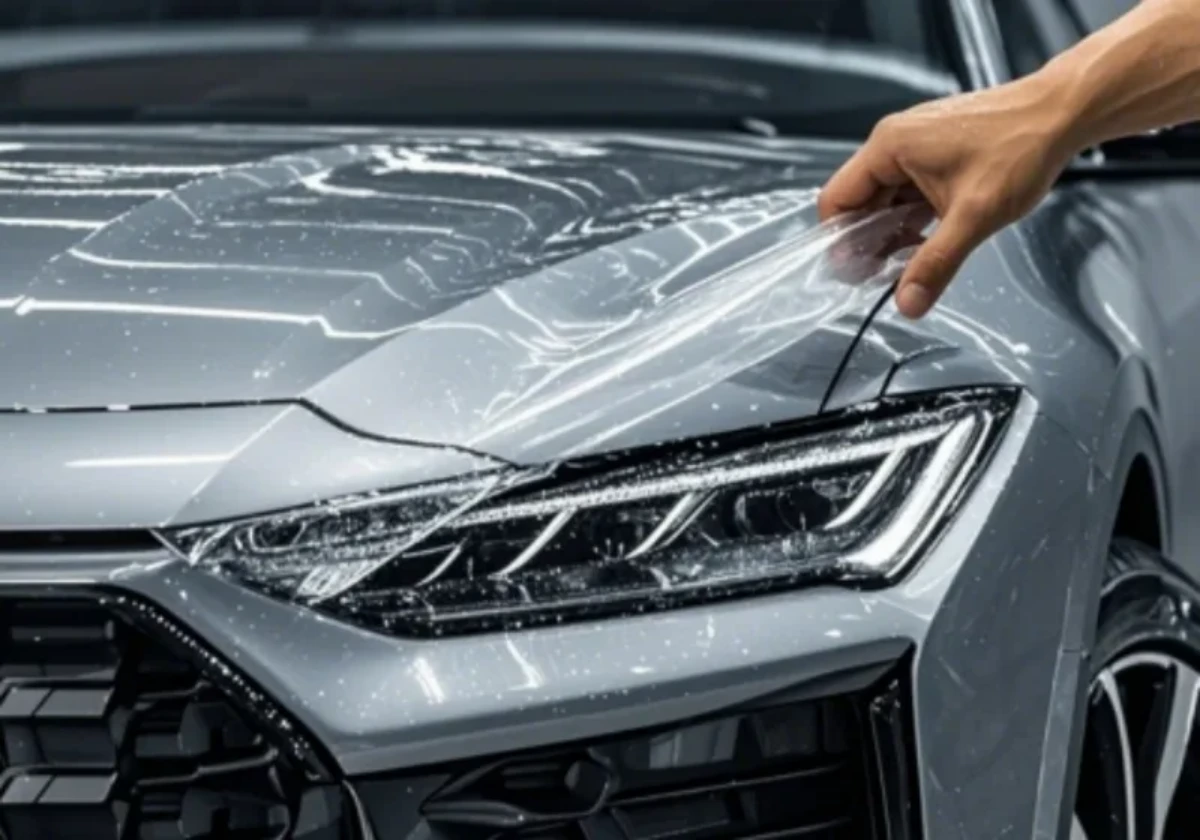
The construction and maintenance of PPF:
- Air Blower Drying – Low-pressure air dryers reduce towel contact, minimizing micro-scratches on PPF surfaces.
- Ceramic Coating Compatibility – Applying a PPF-safe ceramic coating after 30 days enhances scratch resistance by 40%.
- Temperature Adaptation – Adjusting installation speed in cold climates (below 15°C) to allow adhesives proper activation time.
- Oxidation Correction Pre-Install – Polishing oxidized paint ensures PPF adheres smoothly to uniform surfaces.
- Storage Protection – Covering vehicles with breathable car covers in storage prevents dust buildup and UV overexposure.
- Quality Inspection – 48-hour post-installation checks for bubbles, misalignment, or edge lifting to address issues promptly.
- pH-Neutral Cleaning – Using pH 6–8 car wash soap avoids damaging the PPF’s protective topcoat or weakening adhesives.
- Post-Cut Edge Deburring – Trimming excess film with a fresh blade removes sharp edges that could catch dirt or lift over time.
- Panel Sectioning – Applying PPF in smaller panel sections (e.g., hood, fenders) ensures better conformity to complex contours.
- Minor Bubble Repair – Using a heat gun and squeegee to reactivate adhesives and push out small bubbles post-installation.
The cost structure and price composition of PPF:
- Regulatory Compliance – REACH/EPA certifications add $0.20–$0.40 per square foot for market access in strict regions.
- Import Duties & Tariffs – Regional tariffs (e.g., 10% in EU) increase landed costs by 5–12% for imported PPF.
- Inventory Holding Costs – Warehousing and stock rotation add 2–5% annually to total inventory value.
- Digital Marketing Efficiency – Social media campaigns reduce customer acquisition costs by 10–15% vs. traditional ads.
- Energy Consumption – Extrusion and curing processes account for 8–15% of production costs, higher for multi-layer films.
- Custom Cut Fees – Vehicle-specific laser cuts add $100–$300 to total costs vs. generic patterns.
Why TPU PPF:
- Professional Installation Speed – Contractors can complete most installations in a single day.
- Snow Load Capacity – Reinforced beams support 20–30 kg/m2 snow loads in cold climates.
- Pest-Proof Design – No gaps for rodents or insects to nest, unlike wooden structures.
- Low Thermal Expansion – Minimal dimensional changes with temperature fluctuations, reducing joint stress.
- Minimal Site Disruption – Lightweight components require smaller foundation footings than steel.
- Year-Round Use – Can be enclosed with glass or plastic panels for winter protection.
- Chemical Resistance – Unaffected by pool chemicals, making it ideal for poolside installations.
- Multi-Zone Use – Can cover dining, lounging, and cooking areas in large outdoor spaces.
- Customizable Sizes – Available in standard (3m×4m) to large (6m×10m) dimensions, with modular designs for expansion.
The user perception and consumption misconceptions of PPF:
- Consumer Misconception: “PPF Installation Requires Paint Removal” – Fearing sanding or stripping, unaware professional installs use gentle cleaning without paint removal.
- Consumer Misconception: “All PPFs Are Identical” – Many buyers assume no quality difference between $500 and $3,000 PPF, neglecting TPU vs. PVC material distinctions.
- Consumer Misconception: “New Car Paint Is ‘Protected’ from Factory” – Trusting factory clear coats alone, unaware they lack the impact resistance of PPF.
- Consumer Misconception: “All PPF Installers Are Equal” – Choosing based on price alone, ignoring differences in training, tools, and workspace quality.
- Correct Perception: Thickness Depends on Use Case – Off-roaders choose 10mil PPF, while daily drivers opt for 8mil to balance protection and flexibility.
- Correct Perception: Lease Protection Value – Leaseholders use PPF to avoid $500 end-of-term fees, with 95% passing inspections without paint-related charges.
- Consumer Misconception: “PPF Is Only for Luxury Cars” – Overlooking value for mainstream vehicles, where PPF still cuts repair costs by $300–$800 annually.
- Consumer Misconception: “Matte PPF Holds More Dirt” – Avoiding matte finishes due to perceived maintenance issues, not realizing their texture repels dust better than gloss.
- Correct Perception: Pre-Cut vs. Hand-Cut Tradeoffs – Users understand pre-cut kits save time, while hand-cut offers better precision on complex curves.
AUTOLI(CN) PPF(Paint Protection Film) oem factory
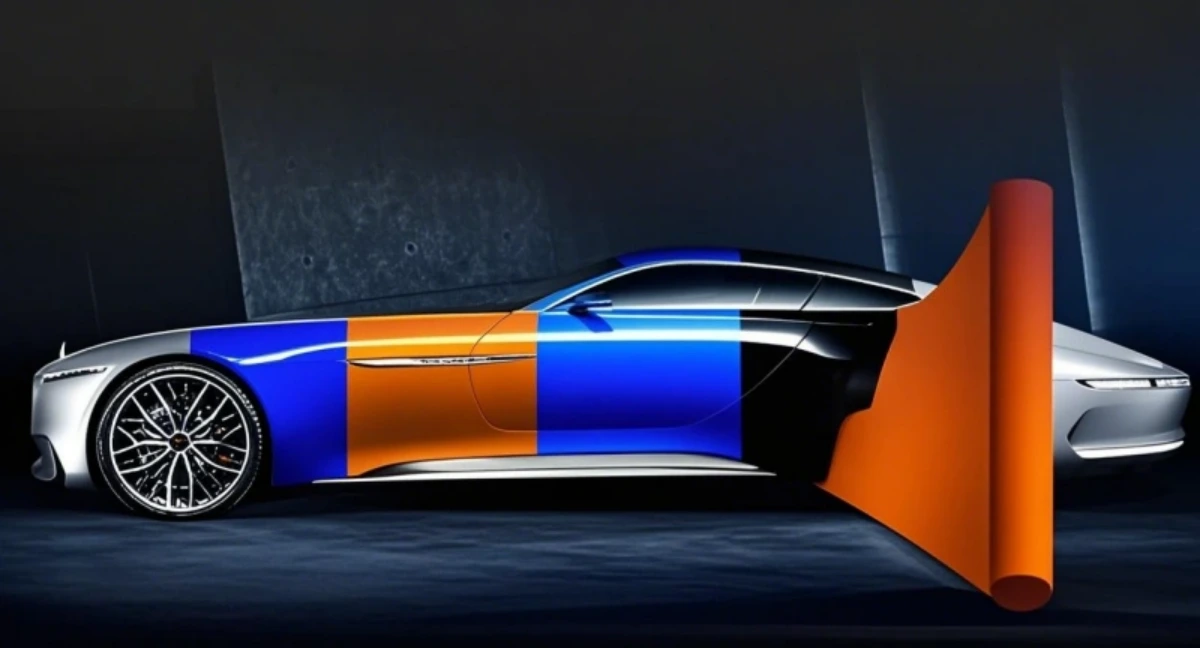
autoli TPU PPF Applied to all brand car models as Maserati、Cadillac、Maserati、Dodge、Toyota、AstonMartin.Our factory cooperates with PPF agent、Auto Repair Center、AutoZone and all so in many countries and regions around the world,like Iceland,Ireland,Paraguay,Ecuador,Warranty: 10 years.Our advantages:Efficient production reduces costs;Raw material purchasing advantage;Perfect after-sales service;Your Key to Profitable PPF Ventures;Large stock of styles for you to choose from.Our factory also provides Windshield Protection Film、Car Paint Protection Film、Vinyl Car Wrap.