

PPF’s warranty includes labor for repairs, covering accidental damage to the film for added security.,Reduces insurance claims for minor damage.,Factory – Backed: High – Quality PPF, Unbeatable Prices.
The environmental protection and sustainability of PPF:
- Recyclable PPF Materials – End-of-life TPU films are recyclable into secondary products like industrial mats, diverting 80% from landfills under closed-loop programs.
- Reduced Vehicle Weight Impact – Lightweight PPF (6–10mil) adds minimal weight, avoiding increased fuel consumption compared to heavier protective alternatives.
- Reduced Paint Consumption – PPF extends paint lifespan by 5–10 years, cutting automotive repaint needs by 60% and reducing paint chemical waste.
- Agricultural PPF Biodegradability – Films for farm equipment decompose after 5 years, avoiding plastic accumulation in rural areas.
- 30% Recycled TPU Blends – Films incorporating recycled TPU reduce virgin plastic use, with mechanical properties matching 100% virgin materials.
The cost structure and price composition of PPF:
- Digital Marketing Efficiency – Social media campaigns reduce customer acquisition costs by 10–15% vs. traditional ads.
- Educational Institution Discounts – Schools and universities receive 5–10% off fleet PPF purchases.
- Loyalty Program Discounts – Repeat customers receive 5–15% off, reducing margins but increasing retention.
- Regional Labor Rate Differences – Installation labor costs 30–50% more in North America vs. Southeast Asia.
- Lease Protection Premium – Lease-specific PPF (removable) costs 10–15% more due to residue-free adhesive requirements.
- Low-Volume Vehicle Surcharges – Custom cuts for rare models add 20–30% due to template creation costs.
- Seasonal Pricing Fluctuations – Demand spikes in spring increase prices by 5–10% in temperate regions.
- Adhesive Technology Costs – Removable adhesives add $0.30–$0.50 per square foot vs. permanent options.
- Damage Waiver Fees – Optional $50–$100 waivers cover minor installation errors, adding 2–3% to revenue.
The long-term monitoring and maintenance system after the installation of PPF:
- UV Index-Based Protection – Applying UV-stabilizing sprays when UV index exceeds 7 to complement built-in anti-yellowing additives.
- Seasonal Storage Preparation – Cleaning thoroughly, applying sealant, and using breathable covers before 30 day storage periods.
- Seasonal Salt Rinse Schedules – Weekly undercarriage and lower panel rinses in winter to remove road salt that degrades adhesives.
- High-Altitude Adjustments – Increasing sealant applications in thin air (≥2000m elevation) where UV exposure is intensified.
- pH Testing of Cleaning Products – Verifying cleaners have pH 6–8 with test strips to avoid chemical damage to PPF.
- Antimicrobial Efficacy Checks – Testing interior PPF for bacterial growth quarterly in high-touch areas (steering wheel, door handles).
- Flexibility Testing – Bending small film samples (from replacements) to check for brittleness, indicating polymer degradation.
- Bi-Weekly Basic Cleaning – Rinsing with low-pressure water to remove surface dirt, preventing abrasive particle buildup.
- Post-Repair Sealing – Applying heat (60–70°C) with a heat gun after edge re-sealing to ensure adhesive reactivation.
- Post-Repair Cure Monitoring – Allowing 48-hour curing after bubble removal or edge re-sealing before washing.
The production supply chain and quality control system of PPF:
- Transportation Logistics – Temperature-controlled trucking and ocean freight for long-distance shipments to prevent adhesive degradation.
- Packaging Material Supply – Partnerships with recyclable packaging manufacturers to align with sustainability goals.
- Supplier Scorecards – Quarterly evaluation of suppliers on quality, delivery, cost, and sustainability metrics.
- Just-In-Time Inventory – Raw material delivery aligned with production schedules, reducing warehouse costs by 20–30%.
- Strategic Stockpiles – 3–6 month reserves of critical materials during high-demand periods or supply chain disruptions.
- Pre-Shipment Inspections – Final quality checks before dispatch, including roll dimensions, labeling, and packaging integrity.
- Quality Incentives – Employee bonuses tied to quality metrics (e.g., first-pass yield, defect reduction).
- Adhesion Testing – Peel strength measurements (180°/90°) on sample cuts to verify adhesive bond strength.
- Quality Gates in Production – In-line inspections after extrusion, coating, and curing stages to catch defects early.
The differentiated user group needs matching of PPF:
- Delivery Drivers – Need high-abrasion 10mil PPF for rear bumpers and door edges, enduring frequent loading and curbside impacts.
- Music Tour Bus Operators – Use tour-bus-specific PPF to protect custom paint jobs from road debris during cross-country travels.
- DIY Enthusiasts – Prefer pre-cut PPF kits with air-release adhesives for bubble-free application without professional tools or training.
- Solar Farm Maintenance Trucks – Use dust-resistant PPF to protect cabs from desert sand, maintaining visibility and reducing cleaning needs.
- Mobile Science Lab Vans – Prefer chemical-resistant PPF for interior and exterior surfaces, withstanding spills and equipment movement during demonstrations.
- Vintage Camper Van Owners – Opt for heat-reflective PPF on roofs to reduce interior temperatures, while protecting paint from tree sap and rain.
- Mobile Dental Clinics – Prefer easy-to-clean PPF for interior surfaces, maintaining hygiene standards between patient appointments.
- College Students – Choose affordable 6mil PPF kits for first cars, balancing basic scratch protection with budget constraints.
- Mobile Farmers Market Trucks – Need weather-resistant PPF that protects custom graphics from rain, sun, and produce transport wear.
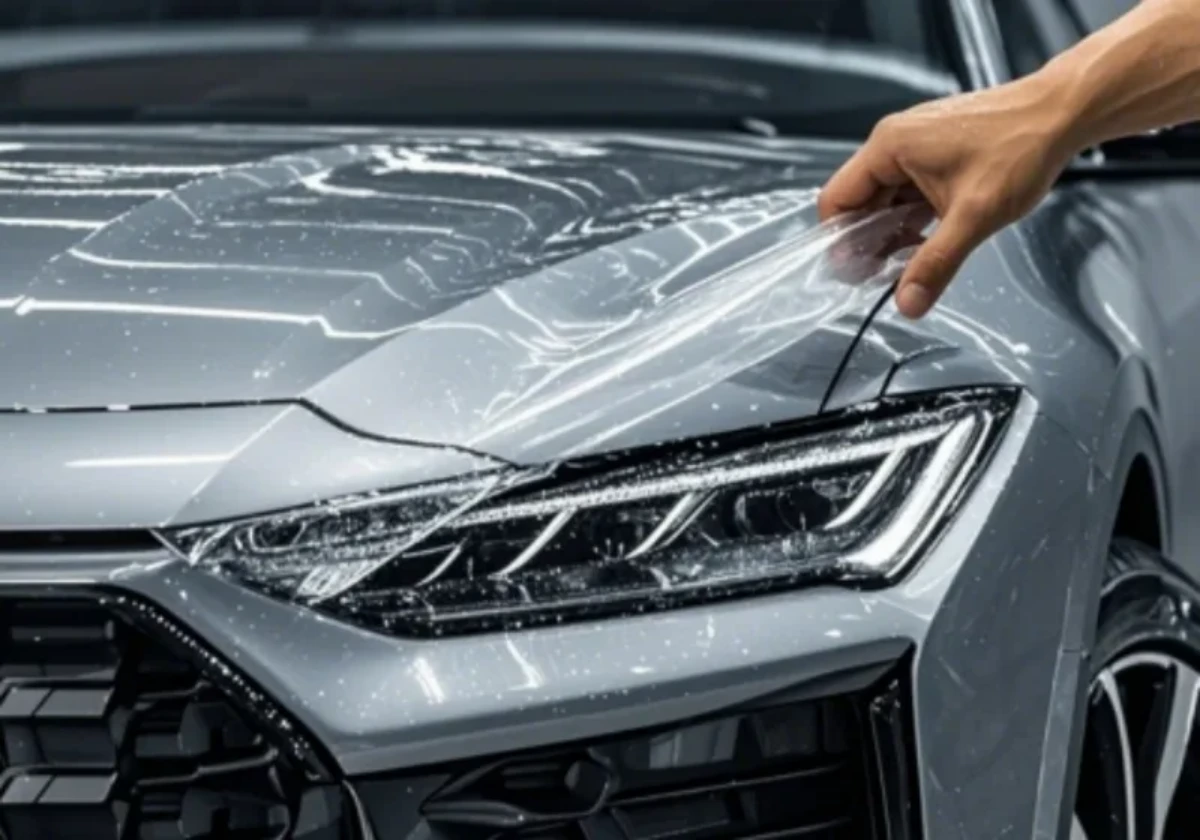
Why TPU PPF:
- Color Matching – Custom color matching to RAL or Pantone codes for brand consistency.
- Pet-Safe Construction – No toxic treatments or splinters, safe for dogs and children.
- Patio Extension – Creates covered transitions between indoor and outdoor living spaces.
- Cost-Effective Over Time – Lower lifetime costs despite 30% higher upfront price vs. wood.
- Adjustable Roof Options – Compatible with louvered systems for rain/sun control (manual or motorized).
- Custom Cutouts – Optional decorative laser-cut panels for personalized design elements.
How TPU Redefines PPF:
- Nano-Reinforcement – Graphene or ceramic-infused TPU redefined PPF from standard films to high-performance barriers with 200% improved tensile strength.
- High-Pressure Wash Safe – TPU’s strong adhesion redefined PPF from hand-wash-only films to pressure washer-compatible protectors simplifying cleaning.
- Material Safety Shift – TPU’s non-toxic composition redefined PPF from PVC-based films (with harmful plasticizers) to eco-friendly options meeting global safety standards.
- Heritage Preservation – TPU’s reversible application redefined PPF from damaging products to safe protectors for classic car original paint during shows and storage.
- Acid Rain Resistance – TPU’s chemical barriers redefined PPF from acid-etching vulnerable films to protective shields in polluted or industrial areas.
- Future-Proofing – TPU’s adaptability to new technologies redefined PPF from static products to evolving solutions compatible with AI, IoT, and next-gen vehicle systems.
- Anti-Microbial Additions – Silver-ion infused TPU redefined PPF from exterior-only protectors to interior solutions inhibiting bacteria growth on high-touch surfaces.
- Safety Enhancement – TPU’s impact absorption redefined PPF from cosmetic protectors to safety features reducing debris-related damage in accidents.
The extension of PPF’s functions:
- Before: Front license plate frame with rust staining; After: PPF covers frame edges, hiding stains and preventing rust from spreading to bumper paint.
- Before: Wheel well drain holes with rust around openings; After: PPF covers drain edges, hiding rust and preventing water from spreading corrosion.
- Before: Wheel well liners with paint transfer from tires; After: PPF lines liners, hiding transfer and preventing rubber from damaging paint further.
- Before: Door edges with countless scratch marks from parking mishaps; After: PPF’s self-healing layer covers scratches and resists new ones, creating crisp, unmarked edges.
- Before: Windshield trim with peeling paint and cracks; After: PPF wraps trim edges, hiding peeling and preventing water intrusion that causes further damage.
- Final transformation: A 10-year-old car, once showing decades of wear, looks refreshed and protected with PPF, extending its aesthetic life by 5 years.
- Before: Door striker plates with paint worn from contact; After: PPF lines striker areas, covering wear and reducing friction between metal and paint.
- Before: Fender flare mounting screws with rust around heads; After: PPF covers screw heads, hiding rust and preventing water from worsening corrosion.
- Before: Roof rack crossbars with scratched paint from cargo; After: PPF covers bars, hiding scratches and reducing friction damage from cargo movement.
The product classification and selection logic of PPF:
- Environmental Value Selection – Prioritizing bio-based or recyclable PPF for eco-conscious buyers despite higher upfront costs.
- Vehicle Type Compatibility – Classified for cars, SUVs, trucks, EVs, or classics, with tailored patterns and performance traits.
- Matte Texture Preservation – Prioritizing texture-matched matte PPF to avoid shine spots on specialty finishes.
- Damage Risk Evaluation – Upgrading to impact-resistant PPF for off-road vehicles or high-debris work environments.
- Fire Resistance Needs – Choosing flame-retardant PPF for emergency vehicles or equipment in high-risk environments.
- Finish Protection Categories – Segmented into paint, matte, chrome, or plastic protection to match surface types.
- Finish Enhancement Goals – Selecting high-gloss PPF to amplify paint shine for show vehicles or luxury cars.
- Performance Tiers – Categorized as economy, mid-range, or premium based on additive packages (ceramic, graphene) and durability.
- Multi-Surface Compatibility – Selecting PPF safe for paint, plastic, and chrome to enable full-vehicle protection with one product.
- Cost-Per-Lifespan Analysis – Choosing premium PPF with lower annualized costs despite higher upfront investment.
AUTOLI(CN) PPF(Paint Protection Film) manufacturer
autoli TPU PPF Applied to all brand car models as Chrysler、Lexus、Maserati、Infiniti、jeep、Honda.Our factory cooperates with Car Customization Shop、Auto Spa、AutoZone and all so in many countries and regions around the world,like Italy,Denmark,Belgium,Peru,Warranty: 10 years.Our advantages:SGS, ASTM, REACH, UL and other certifications;Collaborate for Lucrative Returns: Source factory;Short production cycle, quick delivery;Large stock of styles for you to choose from;Raw material purchasing advantage.Our factory also provides PPF FILM、vinyl Wraps、Car PPF.