

PPF’s application on headlights reduces yellowing from UV, maintaining brightness and safety for at night driving.,Reduces AC load by lowering surface temp.,Factory – Powered Success: PPF in Rich Hues, Propel Your Brand Forward.
The product classification and selection logic of PPF:
- Heat Tolerance Matching – Upgrading to high-temperature PPF for engine bays or EV battery zones prone to thermal stress.
- Maintenance Product Compatibility – Selecting PPF compatible with existing detailing products to avoid chemical damage.
- Low-Temperature Flexibility – Choosing cold-resistant PPF for regions with sub-zero winters to prevent cracking.
- Budget-Driven Selection – Prioritizing economy-tier PPF for cost-sensitive buyers, balancing protection with affordability.
- UV Index Alignment – Upgrading to high-UV protection PPF for equatorial regions with intense sunlight.
- Anti-Static Needs – Selecting carbon-infused PPF for dust-prone environments to reduce surface dirt accumulation.
- Additive Priority Selection – Prioritizing anti-yellowing additives for white/light-colored vehicles to maintain brightness.
- Lightweight Design Priority – Opting for thin yet strong PPF for electric vehicles to maximize range efficiency.
The long-term monitoring and maintenance system after the installation of PPF:
- Professional Edge Re-Sealing – Having certified installers re-heat seal edges at 12–18 months to prevent early lifting.
- UV Index-Based Protection – Applying UV-stabilizing sprays when UV index exceeds 7 to complement built-in anti-yellowing additives.
- Warranty-Approved Tools – Using only brand-recommended squeegees and applicators for DIY maintenance to avoid warranty voidance.
- Seasonal Storage Preparation – Cleaning thoroughly, applying sealant, and using breathable covers before 30 day storage periods.
- Eco-Friendly Cleaning Alternatives – Using vinegar-based solutions (5% dilution) for water spot removal on PPF-safe surfaces.
- Color Stability Tracking – Comparing colored PPF to original swatches annually to detect fading, especially in red/blue films.
- Weekly Gentle Rinses – Low-pressure hose rinses to remove loose dirt, reducing friction during deeper cleaning.
The construction and maintenance of PPF:
- Bubble Removal – Puncturing large bubbles with a needle and re-squeegeeing ensures a flawless finish during installation.
- Ceramic Coating Compatibility – Applying a PPF-safe ceramic coating after 30 days enhances scratch resistance by 40%.
- Surface Decontamination – Pre-installation cleaning uses clay bars and iron-removing sprays to eliminate embedded contaminants like rail dust.
- Low-Pressure Pre-Rinse – Gentle initial rinsing loosens surface dirt, reducing friction during washing to avoid swirl marks.
- Adhesive Priming – Using tack promoters on low-energy surfaces (e.g., plastic trim) enhances adhesion in challenging areas.
The cost structure and price composition of PPF:
- End-of-Line Discounts – Discontinued models sold at 20–30% off to clear inventory.
- Cross-Selling Margins – PPF sales boost ceramic coating and detailing revenue by 25–35% at higher margins.
- Regional Price Variations – EU prices 15–20% higher than Asia due to stricter regulations and higher labor costs.
- Certified Installer Premium – Factory-trained installers charge 20–30% more than uncertified technicians.
- Referral Program Incentives – $50–$100 discounts for referrals reduce net prices by 3–5% but lower acquisition costs.
- PVC vs. TPU Cost Gap – PVC raw materials cost 50% less than TPU but result in 30% lower售价 due to performance limitations.
- Energy-Efficient Production Savings – Solar-powered factories reduce energy costs by 20–30%, lowering unit prices marginally.
- Long-Term Contract Discounts – 3–5 year fleet contracts reduce per-vehicle costs by 10–15% via guaranteed volume.
- Replacement Part Pricing – Small repair patches cost 2–3x per square foot vs. full rolls due to handling costs.
The production supply chain and quality control system of PPF:
- Global Raw Material Network – Multi-region sourcing of TPU to mitigate supply risks from geopolitical or logistical disruptions.
- Environmental Testing – Salt spray, humidity, and temperature cycle tests to validate durability in extreme climates.
- Additive Supply Chain – Strategic partnerships with specialty chemical firms for UV stabilizers, self-healing agents, and nano-ceramic additives.
- Coating Equipment Sourcing – Procurement of ceramic and self-healing coating lines from specialized industrial machinery providers.
- Water Recycling Systems – Closed-loop water usage in cooling processes, sourced from local utilities with treatment partnerships.
- Transportation Logistics – Temperature-controlled trucking and ocean freight for long-distance shipments to prevent adhesive degradation.
- UV Resistance Testing – Accelerated weathering (QUV testing) for 1,000 hours to validate anti-yellowing performance.
- Coating Line Integration – Sequential application of adhesive, TPU core, and topcoat in a continuous production flow.
- Cost Optimization – Annual renegotiation of supplier contracts with volume-based discounts for raw materials.
- Reverse Logistics – Systems for returning defective rolls, with sorting centers identifying repairable vs. recyclable materials.
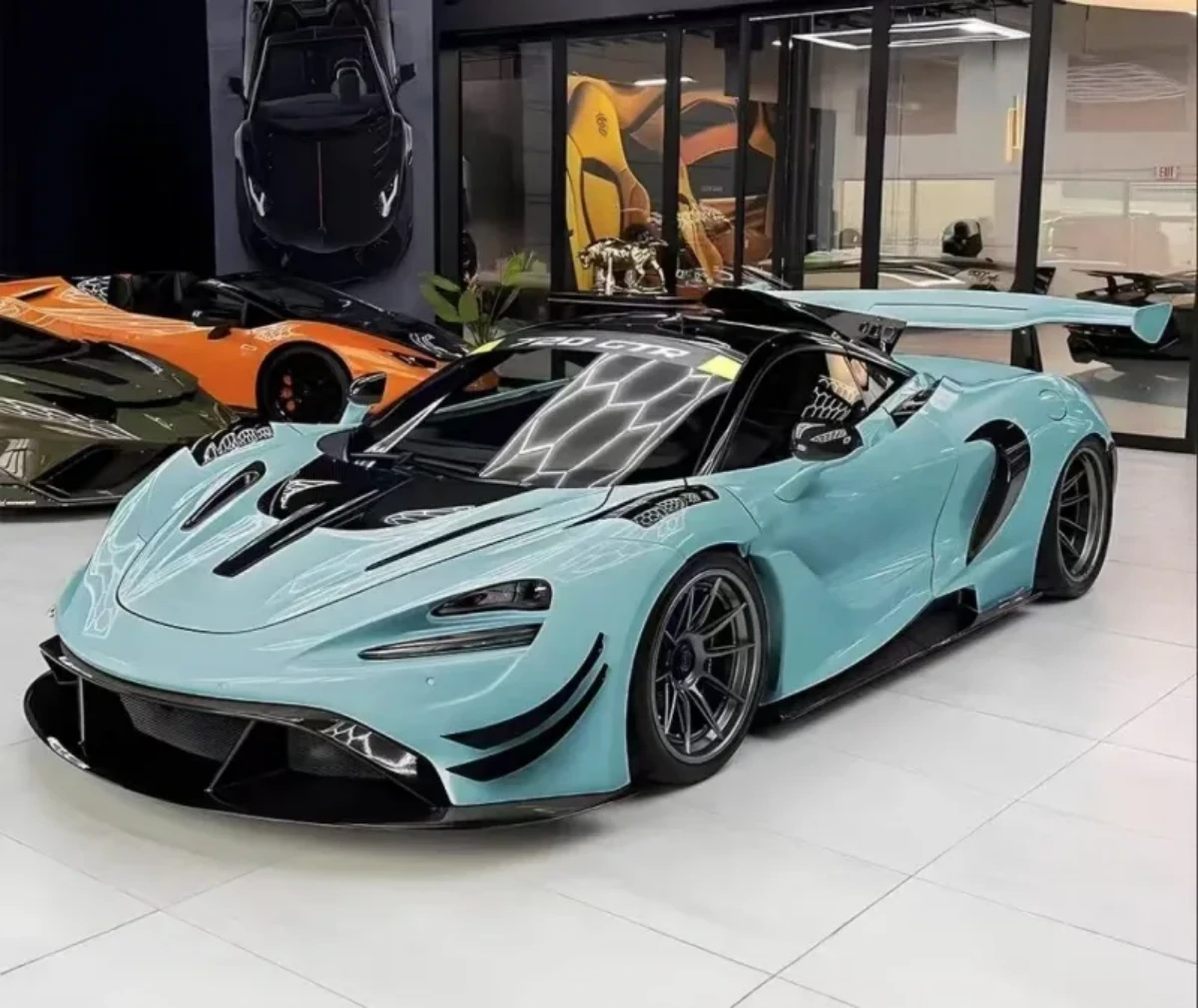
The horizontal comparison of PPF with other protection methods:
- PPF vs. UV-Blocking Window Tints – Tints reduce interior UV exposure, while PPF blocks exterior paint UV damage, with both addressing UV risks but on different surfaces.
- PPF vs. Silicone Coatings – Silicone coatings repel water but degrade quickly (1–2 years) under UV exposure, whereas PPF maintains hydrophobicity for 5 years with UV stabilizers.
- PPF vs. Stone Chip Resistant Paint – Factory chip-resistant paint offers minimal defense, while PPF adds a flexible layer that absorbs impacts, reducing chips by 75%.
- PPF vs. Silicone Spray – Silicone spray repels water temporarily but attracts dust, unlike PPF’s long-lasting hydrophobicity that resists dirt buildup.
- PPF vs. Leather Protectors – Leather treatments guard against spills/cracking, while interior PPF shields dash/console plastics from UV fading and scratches, with separate material focuses.
- PPF vs. Paint Sealant Sprays – Sealant sprays offer 6–9 months of UV protection but no scratch defense, while PPF combines both for extended durability.
- PPF vs. Glass Polish – Polish removes water spots from glass, while PPF on paint prevents spots via hydrophobicity, with distinct surface applications.
- PPF vs. Rust Converter Products – Converters treat existing rust, while PPF prevents rust triggers (moisture/salt) on painted surfaces, with complementary roles in corrosion management.
- PPF vs. Lacquer Sealants – Lacquer sealants provide a glossy finish but yellow quickly under UV, while PPF’s anti-yellowing formulas maintain clarity for a decade.
The differentiated user group needs matching of PPF:
- Lease Vehicle Users – Prefer removable, residue-free PPF to avoid end-of-lease paint repair fees, with easy removal without damaging factory finishes.
- Snowmobile/ATV Riders – Need cold-flexible PPF (-30°C tolerance) to resist cracking from ice, snow, and trail debris during winter adventures.
- Vintage Motorcycle Show Vehicles – Use mirror-finish PPF to enhance chrome and paint shine for competitions, with easy removal for judging.
- College Students – Choose affordable 6mil PPF kits for first cars, balancing basic scratch protection with budget constraints.
- Solar Farm Maintenance Trucks – Use dust-resistant PPF to protect cabs from desert sand, maintaining visibility and reducing cleaning needs.
- Vintage Train Car Owners – Use large-format PPF to protect metal exteriors from rust and paint fading during outdoor display and limited use.
- Classic Car Dealers – Opt for showroom-grade PPF that enhances paint gloss for displays, with easy removal for test drives and sales.
- Budget-Conscious Commuters – Opt for 6–7mil single-layer PPF with basic self-healing to balance protection and affordability for daily use.
- Senior Driver Assistance Vehicles – Use scratch-resistant PPF on door edges and bumpers, reducing anxiety about minor parking mishaps.
Why TPU PPF:
- Non-Combustible – Aluminum is fire-resistant, meeting building codes in wildfire-prone regions.
- Modular Expansion – Add-on kits allow width/length extensions without full replacement.
- Safety Features – Smooth edges and rounded corners reduce injury risks in family settings.
- Anti-Slip Flooring Support – Structurally sound for stone, wood, or composite decking installations.
- Heavy-Duty Models – Industrial-grade 80mm×80mm beams for commercial high-traffic areas.
- Design Versatility – Compatible with modern, traditional, and contemporary architectural styles.
TPU PPF VS PET PPF:
- Edge Sealing Options – TPU PPF accepts heat sealing for permanent edges, while PET PPF requires adhesive sealants that degrade faster.
- Low-Light Visibility – TPU PPF’s clarity enhances nighttime visibility for headlights, while PET PPF can create slight haze reducing light output.
- Scratch Hardness – TPU PPF with ceramic topcoats achieves 9H hardness, while PET PPF maxes at 6H, showing more visible scratches.
- Impact Energy Absorption – TPU PPF’s viscoelastic properties dissipate 60% of impact energy, while PET PPF’s rigid structure absorbs only 25%.
- Chemical Cleaning Compatibility – TPU PPF tolerates iron removers and tar cleaners, while PET PPF may discolor with aggressive decontamination products.
- Anti-Static Properties – TPU PPF with carbon additives reduces dust attraction by 50%, while PET PPF accumulates 30% more surface dust.
- Weathering Testing – TPU PPF passes 3,000 hours of QUV testing, while PET PPF fails at 1,500 hours with significant cracking.
- Repair Potential – TPU PPF allows spot patching of damaged areas, while PET PPF requires full panel replacement for localized damage.
- Ease of Repositioning – TPU PPF allows 3–5 repositioning attempts, whereas PET PPF’s adhesive activates permanently after initial contact.
- Surface Preparation – TPU PPF requires minimal paint correction, while PET PPF amplifies existing swirl marks due to lower flexibility.
AUTOLI(CN) PPF(Paint Protection Film) oem manufacturer
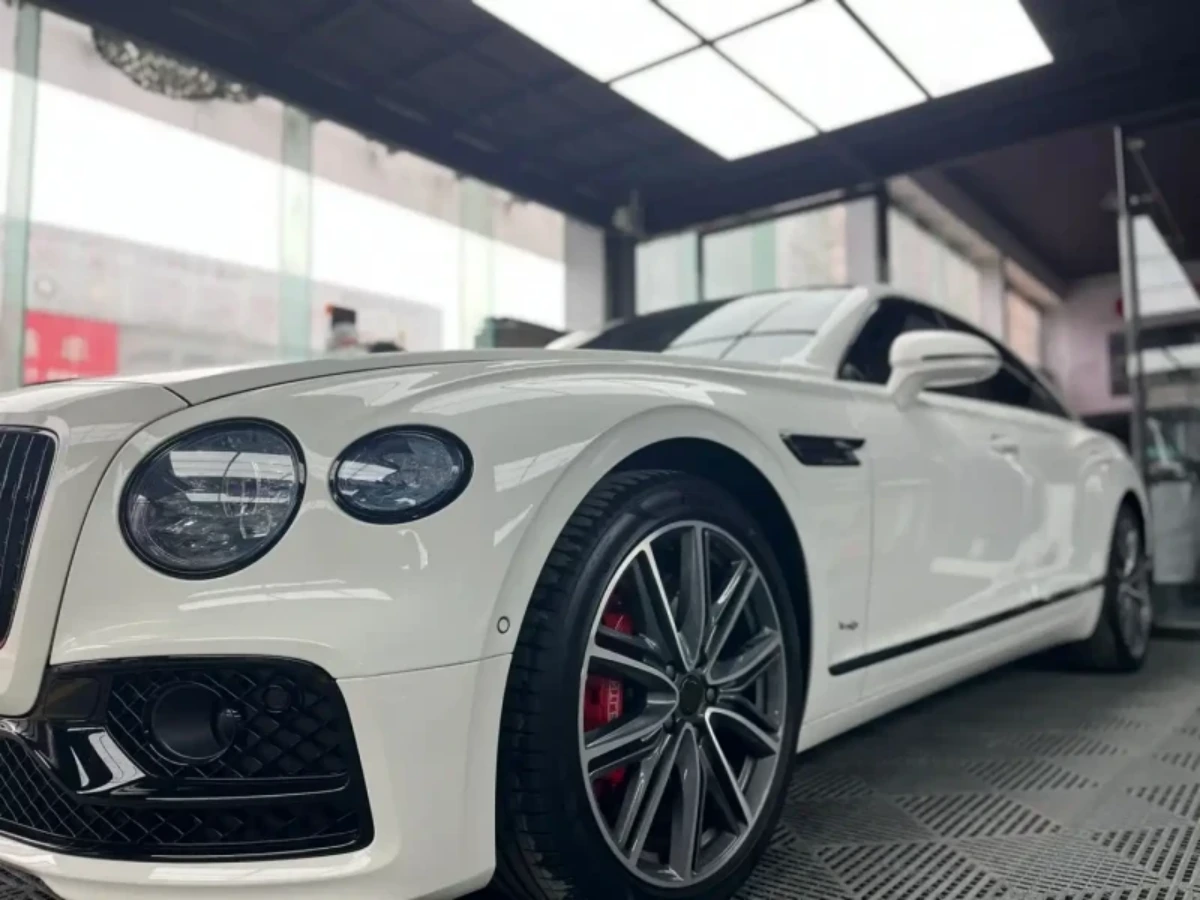
autoli TPU PPF Applied to all brand car models as volvo、Lincoln、Alfa Romeo、Tesla、ds、Audi.Our factory cooperates with Auto Detailing、PPF trading、Auto Spa and all so in many countries and regions around the world,like Ecuador,Denmark,United States,Poland,Warranty: 10 years.Our advantages:Efficient production reduces costs;Unlock Business Growth with Our Factory’s PPF;Large stock of styles for you to choose from;Collaborate for Lucrative Returns: Source factory;Our customers are all over the world.Our factory also provides car film、vinyl Wrap、Windshield Protection Film.