

PPF’s gloss enhancement makes car shows more successful, as vehicles maintain a “just detailed” look effortlessly.,AI-cut precision with ±0.3mm error margin.,Unleash Business Potential: Price – Competitive PPF, Fast – Tracked Production, Gold – Standard Certifications.
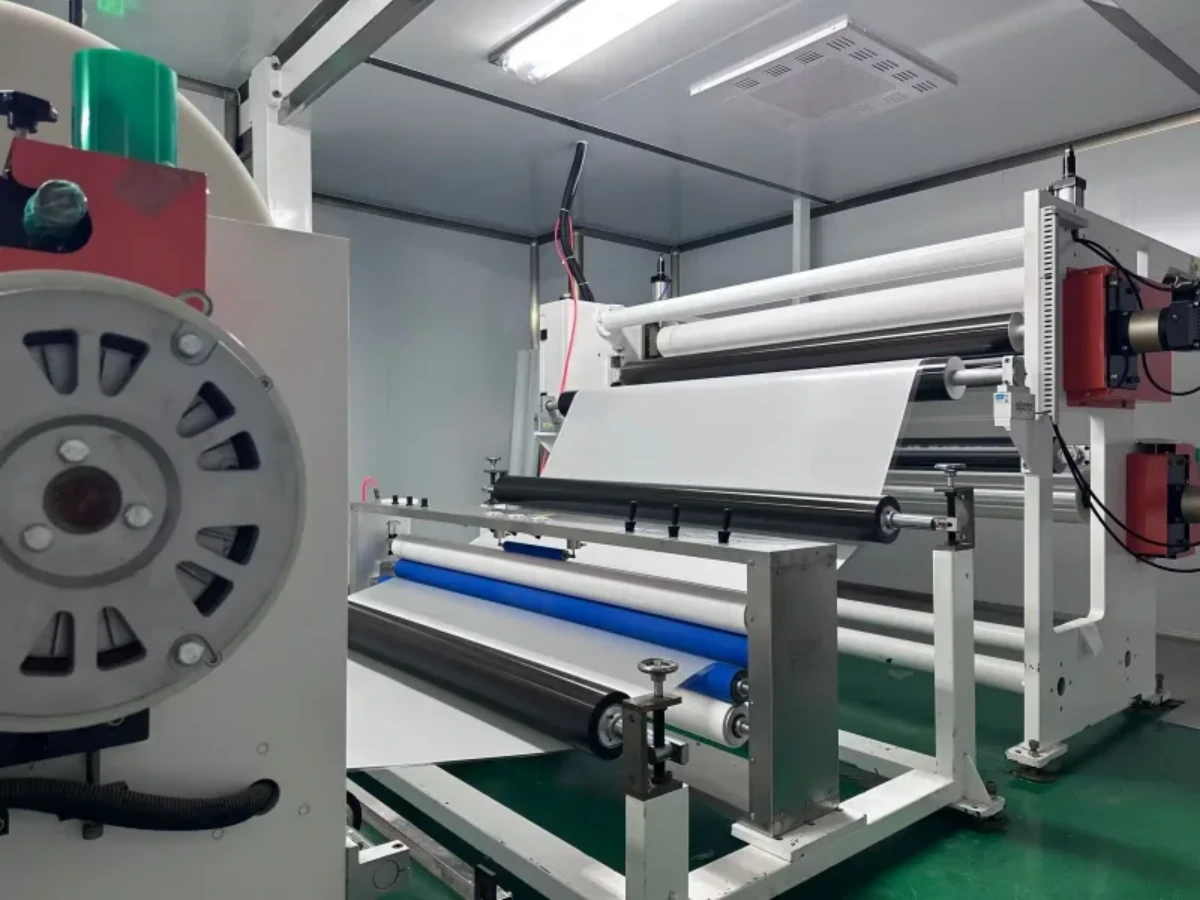
The production supply chain and quality control system of PPF:
- Material Traceability Systems – Blockchain-enabled tracking of TPU batches from resin production to finished PPF rolls.
- Extrusion Process Management – Real-time monitoring of temperature, pressure, and speed to ensure consistent film thickness.
- Failure Mode and Effects Analysis (FMEA) – Proactive risk assessment of production processes to prevent failures.
- FIFO Inventory Rotation – First-in, first-out storage to ensure PPF rolls are shipped within optimal shelf life (12–18 months).
- Pre-Shipment Inspections – Final quality checks before dispatch, including roll dimensions, labeling, and packaging integrity.
- Supplier Development Programs – Workshops with tier-2 suppliers to improve material consistency and reduce defects.
- Defect Classification System – Categorization of flaws (pinholes, bubbles, streaks) by severity to guide corrective actions.
- Lean Manufacturing Practices – 5S and waste reduction initiatives improving consistency and reducing defects.
- Waste Management Partnerships – Collaboration with recycling firms to process production scrap into secondary TPU materials.
- Localization Strategies – Regional production for large markets (e.g., China, US) to reduce shipping costs and tariffs.
The product classification and selection logic of PPF:
- Finish Protection Categories – Segmented into paint, matte, chrome, or plastic protection to match surface types.
- Weathering Resistance Needs – Selecting multi-layer PPF with ceramic topcoats for extended hydrophobicity in rainy regions.
- Warranty Claim Ease – Choosing brands with digital warranty systems for streamlined claims processing.
- Cleaning Compatibility Logic – Choosing PPF compatible with automated car washes for owners using convenience services.
- Material-Based Classification – Products categorized as TPU, PET, or PVC PPF based on base polymer, dictating flexibility, durability, and cost.
- Debris Type Evaluation – Selecting sand-resistant PPF for desert regions vs. gravel-resistant variants for rural areas.
- Regional Regulation Compliance – Selecting REACH/FDA-compliant PPF for markets with strict chemical safety standards.
- Pattern Complexity Matching – Opting for laser-cut PPF for vehicles with intricate contours (sports cars, classics).
Before & After: How PPF Transforms a 10-Year-Old Car:
- Before: Hood prop rod mounting point with paint worn from contact; After: PPF covers mounting area, hiding wear and reducing friction damage from prop rod.
- Before: Front license plate frame with rust staining; After: PPF covers frame edges, hiding stains and preventing rust from spreading to bumper paint.
- Before: Exhaust manifold heat shield with paint burned off; After: High-heat PPF covers shield, restoring appearance and resisting further heat damage.
- Before: Front air dam with road rash from low ground clearance; After: Thick PPF lines the dam, hiding existing damage and absorbing impact from road debris.
- Before: Door striker plates with paint worn from contact; After: PPF lines striker areas, covering wear and reducing friction between metal and paint.
- Before: Matte finish dulled by oxidation and fine scratches; After: Matte-specific PPF preserves texture while restoring vibrancy, eliminating “shiny spots” from wear.
- Before: Hood covered in rock chips from a decade of highway driving; After: PPF’s impact-resistant layer conceals existing chips and prevents new ones, creating a smooth surface.
Why TPU PPF:
- Storm Resilience – Quick-disconnect accessories prevent damage during severe weather.
- Brand Consistency – Uniform finishes across commercial locations for brand identity.
- Fastening Flexibility – Accepts screws, bolts, and rivets for secure accessory attachment.
- Non-Toxic Materials – Free from formaldehyde, arsenic, or other harmful chemicals in wood treatments.
- UV Protection – Reflective finishes reduce heat absorption, keeping underpergola areas 5–8°C cooler.
- Multi-Zone Use – Can cover dining, lounging, and cooking areas in large outdoor spaces.
- Height Adjustability – Leg extensions allow 2.4m–3.0m height customization for clearance needs.
- Artistic Customization – Can be powder-coated to match building trim or accent colors.
- Weather Durability – Withstands extreme temperatures (-40°C to 60°C) without warping, cracking, or rotting.
The cost structure and price composition of PPF:
- Warranty Administration Fees – Digital warranty systems add $0.05–$0.10 per square foot but reduce claim processing time.
- Local Sourcing Savings – Regional TPU suppliers cut logistics costs by 10–15%, reflected in lower prices.
- Bio-Based TPU Premium – Plant-derived TPU increases raw material costs by 15–20% but supports premium pricing.
- R&D Recoupment – New technologies (e.g., graphene reinforcement) add 5–10% to prices for 2–3 years post-launch.
- Partial Coverage Costs – Hood/fender kits at $800–$2,000, with higher per-square-foot pricing than full wraps.
- Research & Development – New formulations (e.g., anti-yellowing) add 2–4% to unit costs but enable 10–15% price premiums.
The market trends and industry changes of PPF:
- DIY vs. Pro Installation Split – 30% of entry-level PPF sales are DIY kits, while 90% of luxury films require professional installation for warranty validation.
- OEM Integration and EV Demand – Original equipment manufacturers (OEMs) are increasingly factory-installing PPF, particularly for electric vehicles (EVs), which represent 19% of OEM PPF applications due to their premium paint protection needs.
- Ceramic-PPF Hybrid Kits – Pre-packaged ceramic coating PPF bundles now account for 25% of aftermarket sales, simplifying multi-layer protection for consumers.
- Sustainability-Driven Material Shifts – The EU’s Packaging and Packaging Waste Regulation (PPWR) mandates recyclable materials by 2030, prompting PPF manufacturers to adopt bio-based TPU and recycled polypropylene (PP) to reduce environmental impact.
- Subscription-Based PPF Services – Startups offer monthly PPF maintenance subscriptions, including cleaning and inspections, with 20% renewal rates after the first year.
- Digital Print Integration – UV-curable digital printing on PPF allows custom graphics/logos, with 35% of commercial fleets now using branded PPF for marketing.
The differentiated user group needs matching of PPF:
- Family Car Owners – Seek scratch-resistant (5H ) PPF for door sills and bumpers to withstand child-related impacts, pet claws, and daily wear.
- Tropical Climate Users – Demand 99% UV-blocking PPF with enhanced HALS stabilizers to prevent paint fading in intense sunlight and humidity.
- Vintage Motorcycle Show Vehicles – Use mirror-finish PPF to enhance chrome and paint shine for competitions, with easy removal for judging.
- Historic Preservation Vehicles – Use reversible PPF that protects antique paint while allowing documentation of original surfaces for restoration records.
- Horse Trailer Owners – Choose scratch-resistant PPF for aluminum exteriors, preventing damage from hoof kicks and hay bale impacts.
- SUV Owners – Prefer full-coverage 8–9mil PPF with reinforced wheel arches to protect larger surfaces from off-road debris and parking scrapes.
- Performance Car Owners – Choose ceramic-infused PPF for enhanced hydrophobicity and heat dissipation, reducing brake dust adhesion on hoods and fenders.
- DIY Enthusiasts – Prefer pre-cut PPF kits with air-release adhesives for bubble-free application without professional tools or training.
- Wedding Car Services – Opt for high-gloss PPF to enhance shine for photo-ready vehicles, with quick-healing to maintain perfection between events.
The extension of PPF’s functions:
- Before: Front grille with chipped paint on edges; After: PPF’s impact-absorbing layer covers chips and shields vulnerable grille edges from debris.
- Before: Door jambs with paint wear from repeated opening; After: PPF lines jambs, covering scuffs and reducing friction between metal and paint.
- Before: Side mirrors with spiderweb cracks from stone impacts; After: PPF application conceals minor cracks and absorbs future impacts, extending mirror life.
- Before: Rear spoiler with cracked clear coat from sun exposure; After: UV-stable PPF covers cracks and prevents further clear coat breakdown.
- Before: Wheel well drain holes with rust around openings; After: PPF covers drain edges, hiding rust and preventing water from spreading corrosion.
- Before: Rear bumper step pad with paint worn away; After: PPF adds protective layer, hiding bare spots and resisting future wear from stepping.
- Before: Rear tail light gaskets with paint peeling where they meet the body; After: PPF lines gasket edges, hiding peeling and preventing water intrusion.
- Before: Wheel wells with rust starting to show through paint; After: PPF’s moisture barrier covers early rust and blocks water/salt from accelerating corrosion.
- Before: Wheel balance weights with rust staining around them; After: PPF covers weight areas, hiding stains and preventing rust from spreading under paint.
AUTOLI(CN) PPF(Paint Protection Film) factory

autoli TPU PPF Applied to all brand car models as Lincoln、Nissan、ds、McLaren、Buick、Alfa Romeo.Our factory cooperates with Auto Detailing Shop、Auto Detailing、PPF brand and all so in many countries and regions around the world,like Ecuador,Switzerland,Mexico,Greece,Belgium,Warranty: 10 years.Our advantages:Perfect after-sales service;Efficient production reduces costs;Your Key to Profitable PPF Ventures;SGS, ASTM, REACH, UL and other certifications.Our factory also provides car vinyl wrap、Vinyl wrapping.