

PPF’s resistance to tree sap adhesion makes removal easier, avoiding sticky residues that damage unprotected paint.,Blocks 99% UV rays to prevent paint oxidation.,From Struggle to Success: Team Up with Our Factory’s Color – Diverse PPF.
The materials and technologies of PPF:
- Hydrophobic coating refreshment: Allows reactivation of hydrophobic properties via UV-curable sprays, extending the film’s lifespan by 2-3 years.
- Desert heat resistance: Reflects 85% of infrared radiation, reducing under-film temperatures by 10°C in desert environments.
- Thermal insulation buffer layer design: An elastic buffer layer is added between the substrate and the coating to alleviate the internal stress caused by the thermal expansion and contraction of the material under extreme temperature differences, thereby reducing the risk of cracking.
- Antibacterial and mold-resistant coating technology: Silver ion antibacterial agent is added to the membrane surface, which inhibits the growth of mold and bacteria in humid environments. This technology is particularly suitable for long-term use in areas with frequent rainfall and high humidity.
- UV-responsive fluorescence: Glows under UV light for enhanced visibility in low-light conditions, ideal for emergency vehicles.
- Multi-layer color gradient: Creates seamless transitions between colors (e.g., from black to red) using nano-layer deposition techniques.
- Dynamic impact dispersion technology: Integrates micro-elastic buffers within the TPU matrix to分散 and absorb impact energy from high-speed debris, reducing paint indentation risk by over 60%.
- Rapid curing adhesive technology: Enables full adhesive strength development within 24 hours (vs. 48-72 hours for conventional adhesives), shortening post-installation care time.
- Environmentally friendly and formaldehyde-free process: The production uses a VOCs-free formula, with no irritating odor during installation and use, meeting environmental standards.
The environmental protection and sustainability of PPF:
- Agricultural PPF Biodegradability – Films for farm equipment decompose after 5 years, avoiding plastic accumulation in rural areas.
- Reduced Transportation Emissions – Regional production hubs cut shipping distances, lowering carbon emissions from product distribution by 35%.
- Waste Heat Recovery – Capturing factory heat for water heating reduces natural gas use by 20% in manufacturing facilities.
- Bio-Based TPU Formulations – Plant-derived thermoplastic polyurethane reduces reliance on fossil fuels, with 50% renewable content in eco-certified PPF products.
- Environmental Product Declarations (EPDs) – Public EPDs disclose carbon footprint and resource use, enabling informed consumer choices.
- Biochar-Infused TPU – Adding biochar (carbon-rich biomass) sequesters CO? in PPF, reducing net carbon impact by 15%.
The cost structure and price composition of PPF:
- Cost of Quality Failures – Defective films add 3–5% to costs via rework and customer compensation.
- Replacement Part Pricing – Small repair patches cost 2–3x per square foot vs. full rolls due to handling costs.
- New Customer Incentives – First-time buyer discounts cut prices by 5–10% to acquire long-term clients.
- Cross-Selling Margins – PPF sales boost ceramic coating and detailing revenue by 25–35% at higher margins.
- Equipment Rental Fees – Laser cutters and heat guns add $20–$50 per install to professional service costs.
- Insurance Partnerships – Bundling with auto insurance reduces customer costs by 5–10% via insurer subsidies.
- Digital Marketing Efficiency – Social media campaigns reduce customer acquisition costs by 10–15% vs. traditional ads.
The user scenarios and value validation of PPF:
- EV Owners – Protects Tesla and Rivian battery hoods from stone chips, maintaining thermal efficiency and avoiding warranty-related paint damage claims.
- Vintage Camper Van Enthusiasts – Preserves 1960s VW Bus paint while camping, with PPF resisting tree sap and rain stains during outdoor trips.
- Luxury Yacht Tenders – Guards small boat hulls from dock collisions, with marine-grade PPF reducing gel coat repairs by 60% in saltwater environments.
- Mountain Road Drivers – Shields Subaru Outbacks and Toyota 4Runners from rock slides, with PPF reducing windshield and fender chip repairs by 65%.
- Agricultural Vehicle Users – Shields tractor cabs from crop debris and mud, maintaining visibility and reducing cleaning time by 30% per week.
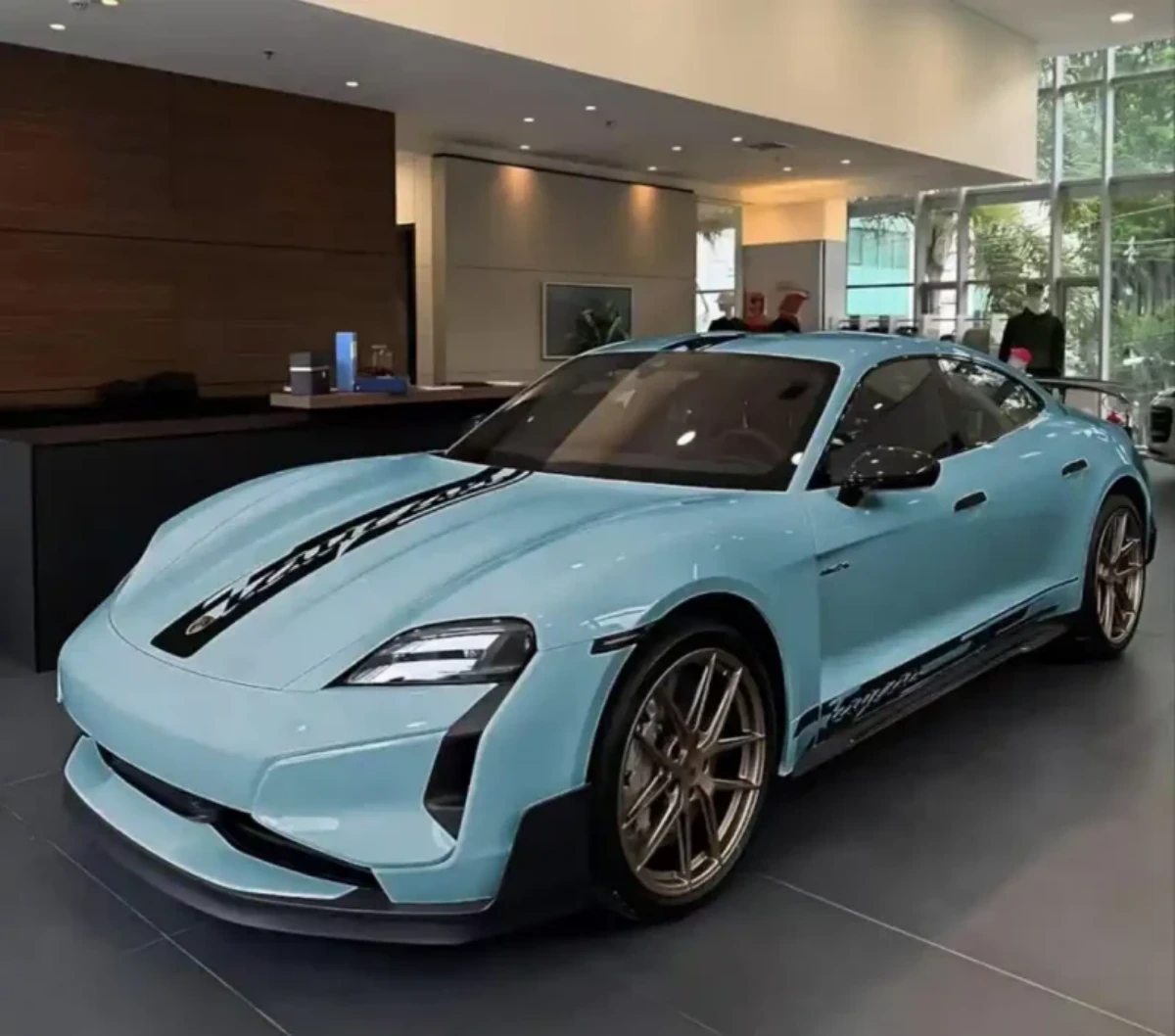
The extension of PPF’s functions:
- Before: Fender flare mounting screws with rust around heads; After: PPF covers screw heads, hiding rust and preventing water from worsening corrosion.
- Before: Side vent grilles with dust buildup and paint chipping; After: PPF covers grille edges, hiding chips and simplifying cleaning of dust-prone areas.
- Before: Matte finish dulled by oxidation and fine scratches; After: Matte-specific PPF preserves texture while restoring vibrancy, eliminating “shiny spots” from wear.
- Before: Engine bay plastic components faded from heat; After: Heat-resistant PPF covers plastics, restoring color and blocking engine heat damage.
- Before: Fog light surrounds with yellowing and stone chips; After: PPF covers discoloration and shields against debris, maintaining consistent appearance.
- Before: A-pillars with tree branch scratches from off-road use; After: PPF’s scratch-resistant topcoat hides marks and protects during future trail adventures.
- Before: Rear tail light wiring harness entry points with paint peeling; After: PPF seals entry points, hiding peeling and preventing water damage to wiring.
- Before: Roof rack crossbars with scratched paint from cargo; After: PPF covers bars, hiding scratches and reducing friction damage from cargo movement.
- Before: Front license plate frame with rust staining; After: PPF covers frame edges, hiding stains and preventing rust from spreading to bumper paint.
The construction and maintenance of PPF:
- Infrared Curing for Cold Conditions – Low-heat infrared lamps accelerate adhesive setting in workshops below 20°C.
- Ceramic Coating Compatibility – Applying a PPF-safe ceramic coating after 30 days enhances scratch resistance by 40%.
- Wet Application Method – Spraying a soapy water solution between the film and surface allows repositioning before final adhesion.
- Seasonal Maintenance Adjustment – Increasing cleaning frequency in rainy seasons to prevent mold growth under the film.
- Tree Sap Removal – Using isopropyl alcohol on a microfiber cloth dissolves sap without harming PPF or paint.
- Remove Bird Droppings Promptly – Cleaning acidic bird droppings within 24 hours prevents etching through the protective layer.
- Post-Cut Edge Deburring – Trimming excess film with a fresh blade removes sharp edges that could catch dirt or lift over time.
- Rotating Microfiber Cloths – Using fresh cloths for each washing step prevents grit transfer and minimizes scratches.
- Dust Mitigation – HEPA filters and air ionizers in the workspace reduce dust particles that cause bubbles or imperfections.
- Tool Sterilization – Cleaning squeegees and blades with isopropyl alcohol avoids cross-contamination of adhesives.
The product classification and selection logic of PPF:
- Fire Resistance Needs – Choosing flame-retardant PPF for emergency vehicles or equipment in high-risk environments.
- Public Perception Consideration – Choosing invisible PPF over colored variants for professional or fleet vehicles.
- Ease of Inspection – Choosing PPF with UV-reactive edges for easier professional inspection of coverage.
- Regulatory Compliance – Selecting PFAS-free PPF for markets with restrictions on fluorinated chemicals.
- Lightweight Design Priority – Opting for thin yet strong PPF for electric vehicles to maximize range efficiency.
- Climate Adaptation Logic – Choosing coastal-formulated PPF with anti-corrosion additives for saltwater exposure or cold-flex variants for winter regions.
- Collision Repair Compatibility – Opting for easily removable PPF to simplify body shop repairs after accidents.
- Adhesive Type Classification – Classified by adhesive technology (air-release, low-tack, permanent) affecting installation and removability.
- Owner Habit Alignment – Choosing low-maintenance PPF for owners who rarely wash or detail their vehicles.
Before & After: How PPF Transforms a 10-Year-Old Car:
- Before: Tailgate with faded decals and paint transfer from loading; After: PPF covers decals to preserve them and resists paint transfer, maintaining graphics.
- Before: Roof antenna base with paint peeling around the edges; After: PPF seals the base edge, hiding peeling and preventing water from getting under paint.
- Before: Rear window trim with black paint turning gray; After: PPF’s color-stable film covers faded trim, restoring uniform black appearance.
- Before: A-pillars with tree branch scratches from off-road use; After: PPF’s scratch-resistant topcoat hides marks and protects during future trail adventures.
- Before: Hood prop rod mounting point with paint worn from contact; After: PPF covers mounting area, hiding wear and reducing friction damage from prop rod.
- Before: Roof rails with scratched paint from roof rack use; After: PPF covers rail surfaces, hiding scratches and reducing friction from rack installation.
- Before: Front grille with chipped paint on edges; After: PPF’s impact-absorbing layer covers chips and shields vulnerable grille edges from debris.
- Before: Rear bumper reflectors with paint chipping around edges; After: PPF covers reflector perimeters, hiding chips and maintaining consistent appearance.
- Before: Front license plate frame with rust staining; After: PPF covers frame edges, hiding stains and preventing rust from spreading to bumper paint.
The user scenarios and value validation of PPF:
- EV Owners – Protects Tesla and Rivian battery hoods from stone chips, maintaining thermal efficiency and avoiding warranty-related paint damage claims.
- Vintage Camper Van Enthusiasts – Preserves 1960s VW Bus paint while camping, with PPF resisting tree sap and rain stains during outdoor trips.
- Luxury Yacht Tenders – Guards small boat hulls from dock collisions, with marine-grade PPF reducing gel coat repairs by 60% in saltwater environments.
- Mountain Road Drivers – Shields Subaru Outbacks and Toyota 4Runners from rock slides, with PPF reducing windshield and fender chip repairs by 65%.
- Agricultural Vehicle Users – Shields tractor cabs from crop debris and mud, maintaining visibility and reducing cleaning time by 30% per week.
AUTOLI(CN) PPF(Paint Protection Film) oem manufacturer
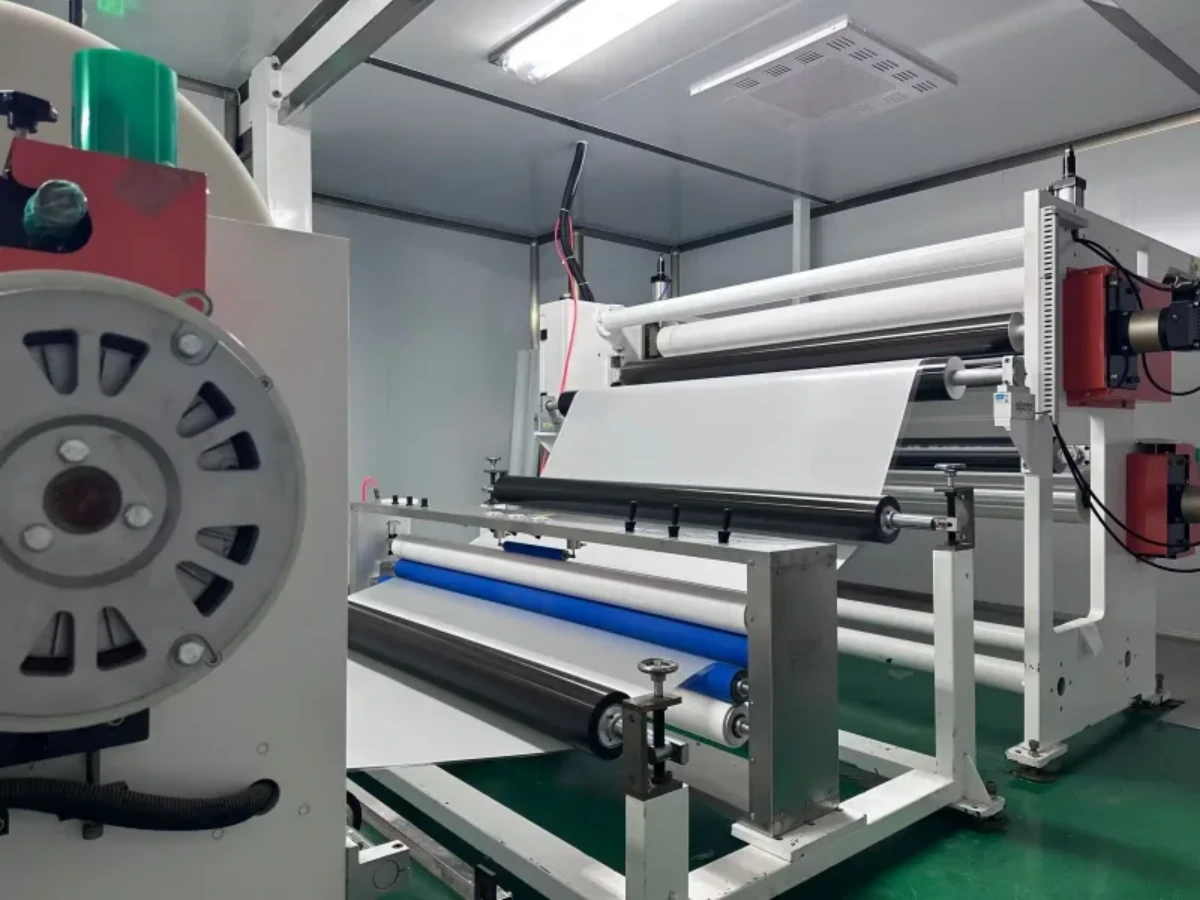
autoli TPU PPF Applied to all brand car models as volvo、Chevrolet、volvo、Mazda.Our factory cooperates with Auto Detailing Shop、PPF wholesale、Auto Spa and all so in many countries and regions around the world,like Singapore,Morocco,Indonesia,New Zealand,Warranty: 10 years.Our advantages:Large stock of styles for you to choose from;Our customers are all over the world;Efficient production reduces costs;Collaborate for Lucrative Returns: Source factory;High quality raw materials and advanced technology.Our factory also provides car wrapping、TPU PPF.