

PPF’s self-healing tech repairs hairline scratches at 40-60℃, with nano-coatings accelerating recovery—even activated by warm water.,Blocks 99% UV rays to prevent paint oxidation.,Bulk PPF from Factory: Great Deals for Importers.
The protective performance of PPF:
- Self-Healing Properties – Automatically repairs minor scratches and swirl marks when exposed to heat (e.g., sunlight or warm water).
- Efficient Installation Process – Pre-cut kits and dry/wet application methods reduce installation time by 30% compared to traditional wraps.
- Rapid Self-Healing Activation – Minor scratches heal within minutes under sunlight or low heat (40-60°C), restoring a flawless finish.
- Anti-Static for Electronics – Reduces dust accumulation on touchscreens and interiors by minimizing static charge attraction.
- **Impact Absorption** – PPF can absorb the impact energy from small collisions, like hitting a small pothole or a light tap in a parking lot, reducing the chance of paint damage.
- Environmental Friendliness – Recyclable TPU materials and solvent-free adhesives reduce ecological impact during production and disposal.
The product classification and selection logic of PPF:
- Chemical Exposure Risk – Upgrading to solvent-resistant PPF for service vehicles exposed to fuels or industrial chemicals.
- Installation Tool Compatibility – Choosing PPF optimized for specific tools (squeegees, heat guns) used by installers.
- Warranty Claim Ease – Choosing brands with digital warranty systems for streamlined claims processing.
- Installation Tool Compatibility – Choosing PPF optimized for specific tools (squeegees, heat guns) used by installers.
- Micro-Scratch Prevention – Choosing self-healing PPF for owners prioritizing a swirl-free finish between details.
- Installation Method Groups – Divided into DIY pre-cut kits, professional bulk rolls, and hybrid options balancing ease and precision.
- Temperature Cycle Tolerance – Selecting PPF with low thermal expansion for regions with extreme temperature swings.
- Budget-Driven Selection – Prioritizing economy-tier PPF for cost-sensitive buyers, balancing protection with affordability.
- Material-Based Classification – Products categorized as TPU, PET, or PVC PPF based on base polymer, dictating flexibility, durability, and cost.
The cutting-edge technology research and development of PPF:
- Nano-Bubble Enhanced Hydrophobicity – Microplasma-treated surfaces trap air nanobubbles, creating a Cassie-Baxter state for extreme water repellency.
- Self-Healing Antimicrobial Films – Silver-ion-doped microcapsules combine scratch repair with 99.9% bacterial reduction for medical device applications.
- Bio-Based Adhesives – Plant-derived lignin and starch-based adhesives replace petroleum-based alternatives, achieving 100% biodegradability.
- Nano-Structured Anti-Graffiti Coatings – Superhydrophobic and oleophobic surfaces repel spray paint, allowing easy removal with water rinsing.
- 3D-Printed Customization – Selective Absorption Fusion (SAF?) 3D printing allows complex PPF geometries with integrated channels for thermal management.
- Bio-Based Crosslinkers – Plant-derived citric acid and tannic acid replace toxic crosslinkers, achieving 100% biodegradability.
- Bio-Based Adhesives – Plant-derived lignin and starch-based adhesives replace petroleum-based alternatives, achieving 100% biodegradability.
- 5G-Enabled IoT Monitoring – Edge computing nodes in PPF transmit real-time data to cloud platforms for predictive maintenance and impact analysis.
- Multifunctional Self-Healing Films – Microcapsules containing both healing agents and antimicrobial silver ions offer dual functionality for medical devices.

The user perception and consumption misconceptions of PPF:
- Correct Perception: Ceramic Coating Synergy – Savvy users pair PPF with ceramic topcoats, enhancing hydrophobicity and scratch resistance by 40%.
- Correct Perception: Matte Finish Compatibility – Educated buyers seek matte-specific PPF, avoiding gloss films that ruin specialty paint textures.
- Correct Perception: Thickness Depends on Use Case – Off-roaders choose 10mil PPF, while daily drivers opt for 8mil to balance protection and flexibility.
- Correct Perception: Quick Healing for Minor Damage – Users appreciate sunlight-activated healing, with 85% reporting scratches disappearing within 24 hours in warm weather.
- Consumer Misconception: “PPF Removes Easily Without Residue” – Assuming all PPF peels cleanly, neglecting that old or low-quality films often leave adhesive residue requiring professional removal.
- Correct Perception: Warranty Transfer Adds Value – Sellers highlight transferable warranties, knowing they boost resale appeal for next owners.
The horizontal comparison of PPF with other protection methods:
- PPF vs. Clear Enamel – Clear enamel is a permanent paint layer that cracks under impact, whereas PPF flexes to absorb collisions and can be replaced if damaged.
- PPF vs. Paint Sealants – Sealants provide 6–12 months of chemical resistance, while PPF adds physical barrier protection against impacts, with both enhancing gloss but PPF lasting longer.
- PPF vs. Paint Correction – Paint correction fixes existing swirls/scratches, while PPF prevents future damage, with PPF often applied post-correction to preserve results.
- PPF vs. Polymer Sealants – Polymer sealants offer 3–6 months of chemical resistance but no physical defense, while PPF provides both for 5 years.
- PPF vs. Teflon Coatings – Teflon coatings reduce friction but lack self-healing, unlike PPF which repairs micro-scratches and resists abrasion better in high-wear areas.
- PPF vs. Silicone Coatings – Silicone coatings repel water but degrade quickly (1–2 years) under UV exposure, whereas PPF maintains hydrophobicity for 5 years with UV stabilizers.
- PPF vs. Powder Coating – Powder coating provides durable metal protection but is rigid and permanent, unlike PPF’s flexible, removable barrier for painted surfaces.
The cost structure and price composition of PPF:
- Bio-Based TPU Premium – Plant-derived TPU increases raw material costs by 15–20% but supports premium pricing.
- Custom Cut Fees – Vehicle-specific laser cuts add $100–$300 to total costs vs. generic patterns.
- Sales Commission – Dealer and distributor margins add 15–25% to wholesale prices before retail markup.
- High-Demand Model Premiums – PPF for popular vehicles (e.g., Tesla Model Y) costs 5–10% more due to demand.
- Educational Institution Discounts – Schools and universities receive 5–10% off fleet PPF purchases.
- Packaging Costs – Recyclable cardboard rolls and protective liners contribute 1–3% of total product costs.
- Facility Overhead – Factory rent, utilities, and maintenance add $0.30–$0.60 per square foot to production costs.
- Minimum Order Quantities – MOQs (500 sq ft) reduce per-unit costs by 10–15% for commercial buyers.
- Research & Development – New formulations (e.g., anti-yellowing) add 2–4% to unit costs but enable 10–15% price premiums.
The user pain points of PPF and their solutions:
- DIY Installation Failures – Resolved with pre-cut laser patterns, air-release adhesives, and step-by-step video tutorials.
- Damage from Road Debris – Mitigated by impact-dispersing multi-layer films, reducing stone chips by 70% at highway speeds.
- Fading in Extreme Sunlight – Fixed by 99% UV-blocking films with enhanced carbon black pigments for tropical climates.
- Yellowing Over Time – Solved by anti-yellowing formulations with HALS stabilizers and UV absorbers, maintaining clarity for 10 years.
- Long Installation Downtime – Reduced to 1–2 days with pre-cut kits and rapid-cure adhesives (24-hour bonding).
- Complex Warranty Transfers – Simplified via blockchain-based systems enabling easy ownership transfers with digital validation.
The materials and technologies of PPF:
- Closed-loop recycling technology: Using degradable TPU base materials or physical recycling processes, it enables the recycling of discarded film materials, reducing environmental burden.
- Anti-ultraviolet penetration enhancement technology: Nano-sized UV-blocking particles are added to the coating, resulting in an ultraviolet absorption rate of over 99%. This reduces the aging damage to the substrate and car paint caused by direct sunlight exposure.
- Self-repair technology: TPU molecules have memory properties, allowing for the automatic repair of minor scratches through environmental temperature or slight pressure, maintaining surface integrity.
- Anti-fatigue toughness optimization technology: Through molecular chain elastic modification, the resilience and recovery ability of the membrane material after repeated cold and hot contraction and minor impacts are enhanced, reducing the relaxation deformation over long-term use.
- Instant repair trigger for micro scratches: Optimizing the molecular activity threshold of TPU, it can quickly activate the repair mechanism at temperatures above 30 degrees Celsius or slight friction (such as towel wiping), shortening the response time for minor scratch repair.
- Shape-memory alloy reinforcement: Restores film shape after severe impacts through embedded Ni-Ti alloys.
AUTOLI(CN) PPF(Paint Protection Film) factory
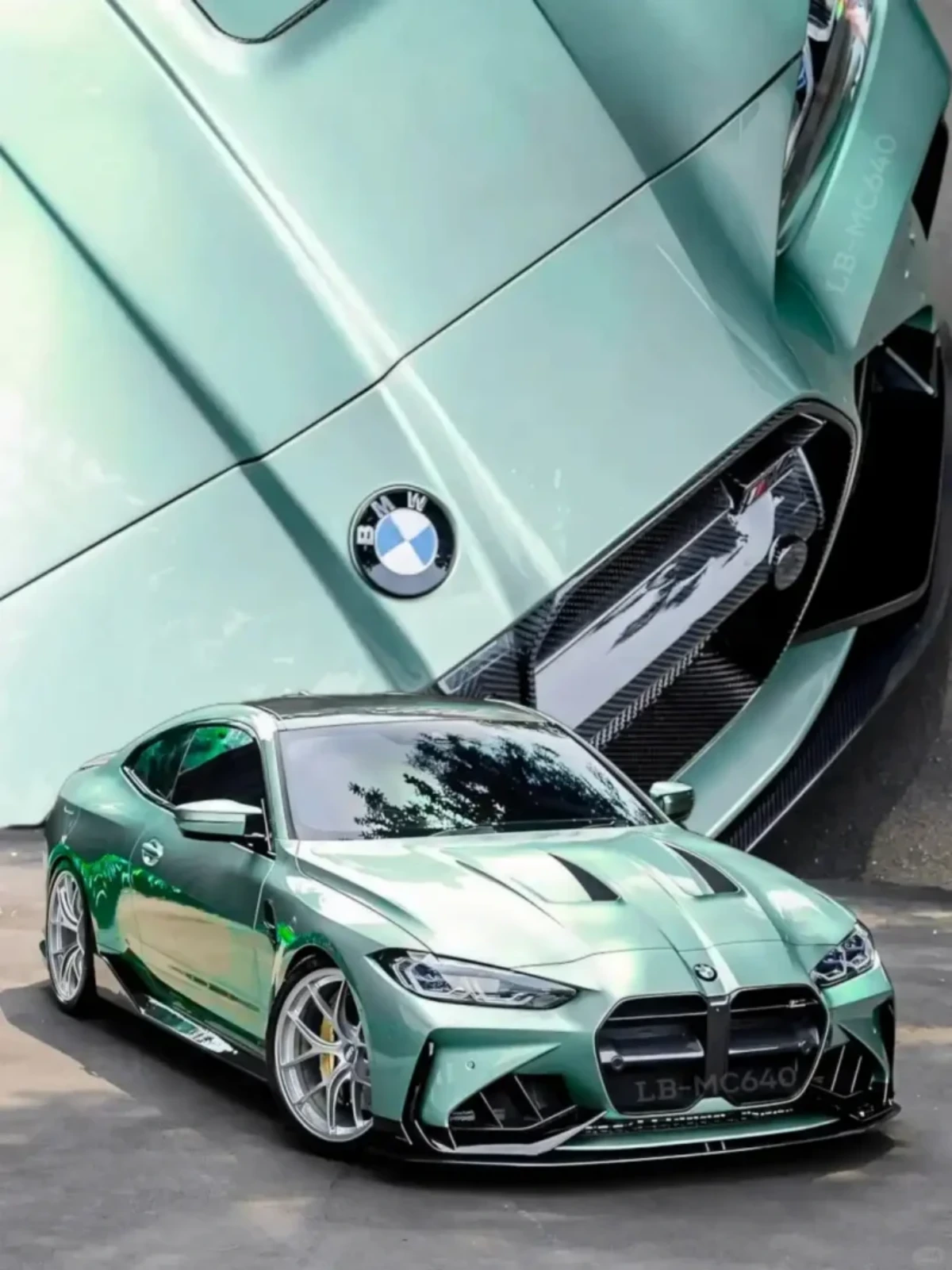
autoli TPU PPF Applied to all brand car models as bmw、Ferrari、Jaguar、Benz.Our factory cooperates with PPF brand、AutoZone、PPF agent and all so in many countries and regions around the world,like Turkey,Singapore,Russia,Jamaica,Warranty: 10 years.Our advantages:SGS, ASTM, REACH, UL and other certifications;Unlock Business Growth with Our Factory’s PPF;Large stock of styles for you to choose from;High quality raw materials and advanced technology;Collaborate for Lucrative Returns: Source factory.Our factory also provides Paint Protection Film、Car Wrap.