

PPF’s heat resistance withstands engine bay proximity on sports cars, protecting paint from radiant heat damage.,Blocks 99% UV rays to prevent paint oxidation.,Factory – Partner: Quality PPF, More Profits.
The cost structure and price composition of PPF:
- Financing Options – Monthly payment plans include 8–12% interest, increasing total customer cost.
- Warranty Add-Ons – Extending warranties from 5 to 10 years increases prices by 15–20% with minimal cost increase.
- Low-Volume Vehicle Surcharges – Custom cuts for rare models add 20–30% due to template creation costs.
- Bio-Based TPU Premium – Plant-derived TPU increases raw material costs by 15–20% but supports premium pricing.
- Entry-Level PPF Pricing – 6–7mil single-layer films retail at $5–$8 per square foot, with 30–40% gross margins.
The user pain points of PPF and their solutions:
- Discoloration on Dark Paint – Solved by high-clarity TPU with low-iron content, preventing blue/green tint on black vehicles.
- Fading in Extreme Sunlight – Fixed by 99% UV-blocking films with enhanced carbon black pigments for tropical climates.
- Unclear Warranty Coverage – Clarified via digital warranty passports detailing exclusions (wear, improper maintenance) and inclusions.
- Complex Maintenance – Simplified via pH-neutral cleaning kits, hydrophobic topcoats, and quarterly sealant boosters.
- Warranty Claim Denials – Prevented by transparent warranty terms, certified installer networks, and digital claim tracking.
- Matte Paint Distortion – Solved by matte-specific PPF (20–30% gloss) designed to preserve texture without shine spots.
- Damage from Road Debris – Mitigated by impact-dispersing multi-layer films, reducing stone chips by 70% at highway speeds.
- Long Installation Downtime – Reduced to 1–2 days with pre-cut kits and rapid-cure adhesives (24-hour bonding).
- Bubbles After Installation – Prevented by air-release adhesive channels and certified installers using dust-free environments.
The market trends and industry changes of PPF:
- Subscription-Based PPF Services – Startups offer monthly PPF maintenance subscriptions, including cleaning and inspections, with 20% renewal rates after the first year.
- Recyclable Packaging Mandates – 80% of PPF brands now use recycled cardboard and biodegradable film wrap for packaging, aligning with EU packaging laws.
- Tropical UV Protection Boost – Films for equatorial regions include 5% more UV absorbers, extending anti-fading performance by 3 years in intense sunlight.
- E-Bike/Scooter PPF Demand – 40% of e-mobility retailers offer PPF for scooter bodies, protecting against urban scratches and extending resale value.
- Circular Economy Initiatives – Closed-loop recycling programs for end-of-life PPF are being piloted, with companies like MBA Polymers achieving 80% carbon reduction in recycled PP production.
- IoT-Enabled Performance Monitoring – Smart PPF prototypes with embedded sensors are being tested to monitor UV exposure and damage levels, providing real-time data for predictive maintenance.
- OEM Integration and EV Demand – Original equipment manufacturers (OEMs) are increasingly factory-installing PPF, particularly for electric vehicles (EVs), which represent 19% of OEM PPF applications due to their premium paint protection needs.
- Nano-Edge Sealing – Nanoscale adhesives in edge layers prevent water ingress, reducing edge lifting by 75% compared to traditional sealing methods.
- Digital Print Integration – UV-curable digital printing on PPF allows custom graphics/logos, with 35% of commercial fleets now using branded PPF for marketing.
- Commercial Fleet Adoption – Delivery giants like Amazon and JD.com are equipping 70% of new vans with PPF, reducing fleet repaint costs by $300 per vehicle annually.
TPU PPF VS PET PPF:
- Light Transmission – TPU PPF maintains 98% light transmission for headlights, while PET PPF reduces light output by 5–8%.
- Biodegradable Options – Some TPU PPF variants biodegrade in 3–5 years, while PET PPF is non-biodegradable with no eco-friendly alternatives.
- Visibility in Direct Sunlight – TPU PPF’s low glare reduces sun reflection, while PET PPF can create glare spots on sunny days.
- Installation Ease – TPU PPF’s air-release adhesives allow repositioning, while PET PPF’s aggressive adhesives make alignment errors irreversible.
- Weight Difference – TPU PPF adds 1.2kg per vehicle (full wrap), while PET PPF adds 0.8kg due to lower density but reduced coverage efficiency.
- Heat-Activated Bonding – TPU PPF’s adhesive strengthens with heat curing, while PET PPF’s bond weakens under prolonged heat exposure.
- Repair Potential – TPU PPF allows spot patching of damaged areas, while PET PPF requires full panel replacement for localized damage.
- Installation Time – TPU PPF full-vehicle installs take 1–2 days, while PET PPF requires 1 day but with higher risk of rework.
- Self-Healing Capability – TPU PPF repairs 3μm scratches via heat activation, whereas PET PPF lacks self-healing, requiring replacement for even minor damage.
The extension of PPF’s functions:
- Before: Wheel balance weights with rust staining around them; After: PPF covers weight areas, hiding stains and preventing rust from spreading under paint.
- Before: Side mirror adjustment controls (exterior) with paint wear; After: PPF covers controls, hiding wear and reducing friction during adjustments.
- Before: Bumper with yellowed clear coat and road rash; After: PPF’s anti-yellowing formula covers discoloration and shields against future road debris damage.
- Before: Tailgate latch area with paint worn from opening/closing; After: PPF covers latch perimeter, hiding wear and reducing friction-related damage.
- Final transformation: A 10-year-old car, once showing decades of wear, looks refreshed and protected with PPF, extending its aesthetic life by 5 years.
- Before: Side mirror turn signal lenses with scratches; After: Clear PPF covers lenses, hiding scratches and maintaining visibility of turn signals.
- Before: Door edge moldings with cracked rubber and exposed paint; After: PPF wraps edges under moldings, hiding exposed areas and preventing water intrusion.
- Before: Running boards with worn paint from foot traffic; After: PPF’s durable layer covers wear and resists scuffs from shoes and boots.
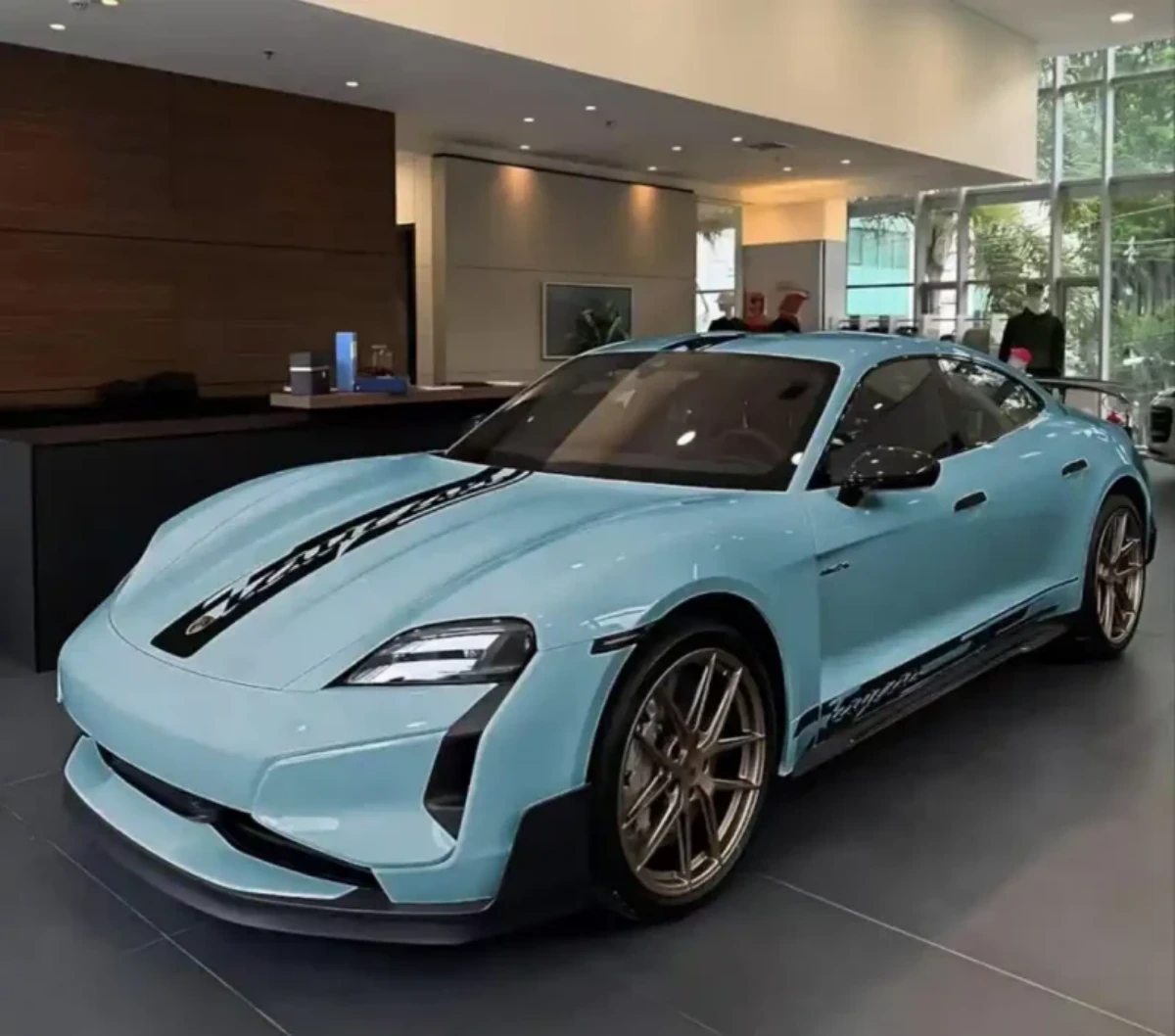
The horizontal comparison of PPF with other protection methods:
- PPF vs. Stone Chip Resistant Paint – Factory chip-resistant paint offers minimal defense, while PPF adds a flexible layer that absorbs impacts, reducing chips by 75%.
- PPF vs. TPU Sprays – TPU sprays form a thin protective layer but lack the thickness for impact absorption, while PPF’s multi-layer design dissipates collision energy.
- PPF vs. Rubber Sealants – Rubber sealants protect gaskets from drying but have no role in paint protection, highlighting PPF’s focus on exterior surfaces.
- PPF vs. UV-Blocking Window Tints – Tints reduce interior UV exposure, while PPF blocks exterior paint UV damage, with both addressing UV risks but on different surfaces.
- PPF vs. Anti-Corrosion Sprays – Sprays inhibit rust on bare metal but don’t protect paint, whereas PPF blocks corrosion triggers (salt, moisture) from reaching painted surfaces.
- PPF vs. Truck Bed Liners – Liners protect cargo areas from heavy impacts, while PPF shields exterior panels from road debris, with distinct application zones and purposes.
- PPF vs. Anti-Fade Treatments – Anti-fade treatments slow UV damage but don’t prevent scratches, unlike PPF which blocks UV rays and shields against physical wear.
- PPF vs. Nano Glass Coatings – Glass coatings excel on windows for water repellency, while PPF protects painted surfaces from physical damage, with minimal overlap in application.
- PPF vs. Polyurethane Sprays – Polyurethane sprays form a hard, brittle layer prone to chipping, while PPF’s flexible TPU base absorbs impacts without cracking.
- PPF vs. Liquid Glass Coatings – Liquid glass offers 6–12 months of chemical resistance but lacks physical impact protection, while PPF combines 5 years of scratch defense with self-healing capabilities.
The extension of PPF’s functions:
- Before: Wheel balance weights with rust staining around them; After: PPF covers weight areas, hiding stains and preventing rust from spreading under paint.
- Before: Side mirror adjustment controls (exterior) with paint wear; After: PPF covers controls, hiding wear and reducing friction during adjustments.
- Before: Bumper with yellowed clear coat and road rash; After: PPF’s anti-yellowing formula covers discoloration and shields against future road debris damage.
- Before: Tailgate latch area with paint worn from opening/closing; After: PPF covers latch perimeter, hiding wear and reducing friction-related damage.
- Final transformation: A 10-year-old car, once showing decades of wear, looks refreshed and protected with PPF, extending its aesthetic life by 5 years.
- Before: Side mirror turn signal lenses with scratches; After: Clear PPF covers lenses, hiding scratches and maintaining visibility of turn signals.
- Before: Door edge moldings with cracked rubber and exposed paint; After: PPF wraps edges under moldings, hiding exposed areas and preventing water intrusion.
- Before: Running boards with worn paint from foot traffic; After: PPF’s durable layer covers wear and resists scuffs from shoes and boots.
The materials and technologies of PPF:
- SAE J2527 Stone Chip Resistance Certification: Passes 120 km/h gravel impact testing without film penetration.
- Low-VOCs production certification: Meets global eco-standards like GREENGUARD Gold, ensuring volatile organic compound emissions below 50μg/m3 during manufacturing.
- Surface hardness enhancement technology: By incorporating nano-ceramic particles into the coating, the pencil hardness of the film surface is increased to 9H level, enhancing the anti-scuff and anti-abrasion performance against hard objects such as keys and sand.
- Polar climate formulation: Maintains flexibility at -50°C, preventing cracking in arctic regions.
- Multi-layer color gradient: Creates seamless transitions between colors (e.g., from black to red) using nano-layer deposition techniques.
- Thermal insulation buffer layer design: An elastic buffer layer is added between the substrate and the coating to alleviate the internal stress caused by the thermal expansion and contraction of the material under extreme temperature differences, thereby reducing the risk of cracking.
- RFID tracking chip: Embeds a passive RFID tag for anti-theft tracking and warranty management, readable via smartphone NFC.
How TPU Redefines PPF:
- Scratch Resistance – TPU’s 9H hardness topcoats redefined PPF from basic shields to high-wear solutions resisting key scratches and shopping cart impacts.
- Warranty Reliability – TPU’s consistent performance redefined PPF warranties from vague guarantees to 5–15 year commitments with clear coverage.
- Recycled Content Integration – TPU blends with 30% recycled material redefined PPF from virgin-only products to circular economy solutions.
- Durability Redefined – TPU’s resistance to UV, chemicals, and impact extended PPF lifespans from 1–2 years to 5–10 years, redefining long-term protection.
- Anti-Corrosion Properties – TPU’s moisture barrier redefined PPF from paint protectors to rust-preventing systems in coastal and winter regions.
AUTOLI(CN) PPF(Paint Protection Film) manufacturer

autoli TPU PPF Applied to all brand car models as AstonMartin、binli、Toyota、bmw.Our factory cooperates with PPF installer、ppf installation、Auto Repair Center、Car Customization Shop、PPF distributor and all so in many countries and regions around the world,like Belgium,Belgium,Thailand,Macedonia,Warranty: 10 years.Our advantages:Unlock Business Growth with Our Factory’s PPF;Large stock of styles for you to choose from;Short production cycle, quick delivery;Efficient production reduces costs;SGS, ASTM, REACH, UL and other certifications.Our factory also provides carwraps、car vinyl wrap、car film.