

PPF reduces need for frequent waxing/ sealing, as its protective layer maintains gloss without monthly upkeep rituals.,Warranty includes labor for film repairs.,Factory Partnership: Quality – Assured PPF, Low Costs.
The environmental protection and sustainability of PPF:
- Carbon-Neutral Manufacturing – Brands like 3M offset production emissions via reforestation projects, achieving carbon-neutral status for select PPF lines.
- Solar-Powered Warehousing – Solar panels on distribution centers meet 60% of energy needs, reducing reliance on fossil fuels.
- Recycled Packaging – 90% of premium PPF brands use recycled cardboard and biodegradable film wrap, reducing packaging waste by 75%.
- Extended Product Lifespan – 10 year durability reduces replacement frequency, lowering overall material consumption compared to annual waxing or sealants.
- Water-Based Cleaning Solutions – Recommended PPF cleaners use 80% less harsh chemicals, reducing aquatic toxicity from wash runoff.
- Algae-Based TPU Blends – Experimental films use algae-derived polymers, reducing land use compared to plant-based alternatives.
- Solvent-Free Adhesives – Water-based adhesives eliminate VOC emissions during production and installation, meeting EU REACH and California CARB standards.
- Plant-Derived UV Stabilizers – Natural antioxidants replace synthetic HALS, maintaining anti-yellowing performance with 60% renewable content.
The horizontal comparison of PPF with other protection methods:
- PPF vs. Traditional Wax – PPF provides long-term scratch/dent defense (5 years) compared to wax’s 2–3 months of mild UV protection and gloss enhancement.
- PPF vs. Spray-On Protective Coatings – PPF is removable and repairable, unlike permanent spray coatings that require full repaint for damage correction.
- PPF vs. Hydrophobic Sprays – Sprays offer temporary water repellency (2–3 months), while PPF combines hydrophobicity with long-term scratch/impact protection (5 years).
- PPF vs. Liquid Glass Coatings – Liquid glass offers 6–12 months of chemical resistance but lacks physical impact protection, while PPF combines 5 years of scratch defense with self-healing capabilities.
- PPF vs. Rubber Sealants – Rubber sealants protect gaskets from drying but have no role in paint protection, highlighting PPF’s focus on exterior surfaces.
- PPF vs. Stone Guard Films (Thin) – Thin stone guards protect against small debris but lack self-healing, while PPF handles larger impacts and repairs minor damage automatically.
- PPF vs. Chrome Polish – Chrome polish removes tarnish but doesn’t prevent future damage, while PPF on chrome trims resists scratches and maintains shine long-term.
Before & After: How PPF Transforms a 10-Year-Old Car:
- Before: Door handles with worn paint from repeated use; After: PPF wraps handle cups, covering wear and resisting new scratches from daily use.
- Before: Side mirror adjustment controls (exterior) with paint wear; After: PPF covers controls, hiding wear and reducing friction during adjustments.
- Before: Sunroof surround with cracked paint from thermal expansion; After: Flexible PPF accommodates temperature changes, covering cracks and preventing new ones.
- Before: Running boards with worn paint from foot traffic; After: PPF’s durable layer covers wear and resists scuffs from shoes and boots.
- Before: Rear bumper step pad with paint worn away; After: PPF adds protective layer, hiding bare spots and resisting future wear from stepping.
The regulations of PPF and after-sales services:
- Blockchain Warranty Verification – 3M utilizes blockchain to secure digital warranties, enabling traceable ownership transfers and fraud prevention .
- Australia’s UV Protection Standards – PPFs sold in Australia/NZ must comply with AS/NZS 4399 for UV protection, requiring UPF ratings ≥15 and transparency in labeling .
- 3M’s Warranty Exclusions – 3M’s warranty explicitly excludes watermarks, improper maintenance, and non-authorized products, emphasizing the need for professional installation and genuine materials .
- Certified Installer Networks – Brands like Eastman (DragonFilm) enforce tiered certification programs (e.g., 1-star to 7-star) to ensure standardized installation practices and warranty validity .
- California CARB VOC Limits – PPF adhesives sold in California must comply with CARB’s strict VOC regulations, reducing harmful emissions during installation to align with regional air quality standards .
- Regulatory Updates for EVs – EV-specific PPFs must comply with OEM heat resistance standards (e.g., 120°C for battery zones) to avoid delamination .
- Cross-Industry Regulatory Alignment – PPFs used in electronics or aerospace must comply with sector-specific standards (e.g., FCC for electronics), expanding regulatory complexity .
- Heat-Activated Self-Healing Warranties – Brands guarantee self-healing performance (e.g., 98% micro-scratch repair within 8 minutes at 45°C) under warranty, reflecting confidence in material durability .
- Regional Warranty Variations – PPF warranties often differ by region; for example, monsoon-prone areas may offer extended coverage for water ingress issues .
- DIY Installation Void Policies – Most warranties, including PurePPF and 3M, void coverage for self-installed films, emphasizing the need for certified professional application .
Before & After: How PPF Transforms a 10-Year-Old Car:
- Before: Door handles with worn paint from repeated use; After: PPF wraps handle cups, covering wear and resisting new scratches from daily use.
- Before: Side mirror adjustment controls (exterior) with paint wear; After: PPF covers controls, hiding wear and reducing friction during adjustments.
- Before: Sunroof surround with cracked paint from thermal expansion; After: Flexible PPF accommodates temperature changes, covering cracks and preventing new ones.
- Before: Running boards with worn paint from foot traffic; After: PPF’s durable layer covers wear and resists scuffs from shoes and boots.
- Before: Rear bumper step pad with paint worn away; After: PPF adds protective layer, hiding bare spots and resisting future wear from stepping.
The user perception and consumption misconceptions of PPF:
- Consumer Misconception: “PPF Ruins Paint When Removed” – Fearing damage during removal, not realizing modern adhesives peel cleanly if removed within warranty periods.
- Correct Perception: Brand Reputation Matters – Discerning buyers choose established brands, associating 3M or XPEL with consistent quality over generic alternatives.
- Correct Perception: Interior PPF Benefits – Users protect dashboards and touchscreens, reducing UV fading and scratch visibility by 80%.
- Consumer Misconception: “PPF Yellowing Is Inevitable” – Fearing all PPF yellows, unaware that modern anti-yellowing formulas with HALS stabilizers last 10 years clear.
- Consumer Misconception: “PPF Works on Rusty Surfaces” – Applying PPF over existing rust, unaware it traps moisture and accelerates corrosion.
- Consumer Misconception: “All PPF Self-Heals the Same” – Assuming budget films repair as well as premium ones, unaware that microcapsule density varies by price point.
The market trends and industry changes of PPF:
- Detailing Chain Partnerships – PPF brands are collaborating with chains like Detail Garage, offering co-branded training and product bundles to expand reach.
- Regulatory Compliance in Manufacturing – Stringent environmental regulations (e.g., EU REACH) are pushing PPF producers to adopt solvent-free adhesives and energy-efficient production processes, reducing carbon footprints by up to 80%.
- Southeast Asia Market Surge**- Indonesia and Vietnam’s PPF markets are growing at 11% CAGR, driven by rising middle-class car ownership and demand for affordable protection packages.
- TPU Dominance in Material Innovation – Thermoplastic polyurethane (TPU) films now account for 25% of global PPF installations, with self-healing TPU shipments rising 38% since 2021 due to superior scratch resistance and durability.
- ADAS Sensor Compatibility – PPF films with 99.9% LiDAR/radar transparency are becoming standard, ensuring autonomous driving systems function unimpeded post-installation.
- Nano-Edge Sealing – Nanoscale adhesives in edge layers prevent water ingress, reducing edge lifting by 75% compared to traditional sealing methods.
- Blockchain Warranty Verification – Brands like 3M use blockchain to secure digital warranties, preventing fraud and simplifying transfers between vehicle owners.
- DIY vs. Pro Installation Split – 30% of entry-level PPF sales are DIY kits, while 90% of luxury films require professional installation for warranty validation.
- Local Sourcing Trends – Post-pandemic, 55% of North American PPF brands source TPU locally, reducing supply chain delays by 30%.
The construction and maintenance of PPF:
- Surface Decontamination – Pre-installation cleaning uses clay bars and iron-removing sprays to eliminate embedded contaminants like rail dust.
- Post-Installation Gassing Period – Allowing 24–48 hours for water evaporation prevents bubbles from forming post-installation.
- Controlled Environment Setup – Installation in dust-free, temperature-controlled (20–25°C) shops minimizes airborne particle interference.
- Avoid Parking Under Trees – Reducing exposure to sap, berries, and debris minimizes cleaning frequency and potential stains.
- Humidity-Controlled Workspace – Maintaining 40–60% humidity during installation prevents rapid adhesive drying and ensures proper bonding.
- Oxidation Correction Pre-Install – Polishing oxidized paint ensures PPF adheres smoothly to uniform surfaces.
- Adhesive Activation Heat Range – Applying 65–75°C heat to edges activates adhesives without damaging the PPF’s topcoat.
- Adhesive Priming – Using tack promoters on low-energy surfaces (e.g., plastic trim) enhances adhesion in challenging areas.
- pH-Neutral Cleaning – Using pH 6–8 car wash soap avoids damaging the PPF’s protective topcoat or weakening adhesives.
The user scenarios and value validation of PPF:
- Food Truck Operators – Protects mobile kitchen exteriors from road grime and food splatters, maintaining brand aesthetics for customer appeal.
- Off-Road Enthusiasts – Shields Jeep Wrangler and Ford Bronco fenders from trail rocks and branches, reducing paint repair costs by $800 annually.
- Mountain Road Drivers – Shields Subaru Outbacks and Toyota 4Runners from rock slides, with PPF reducing windshield and fender chip repairs by 65%.
- First-Time Car Owners – Provides peace of mind for new drivers, with 75% avoiding costly lessons in “how to fix a key scratch” on their first vehicle.
- Agricultural Vehicle Users – Shields tractor cabs from crop debris and mud, maintaining visibility and reducing cleaning time by 30% per week.
- Desert Dwellers – Blocks UV-induced fading in Dubai and Phoenix, keeping paint vibrant 3x longer than unprotected vehicles in 45°C heat.
AUTOLI(CN) PPF(Paint Protection Film) oem manufacturer
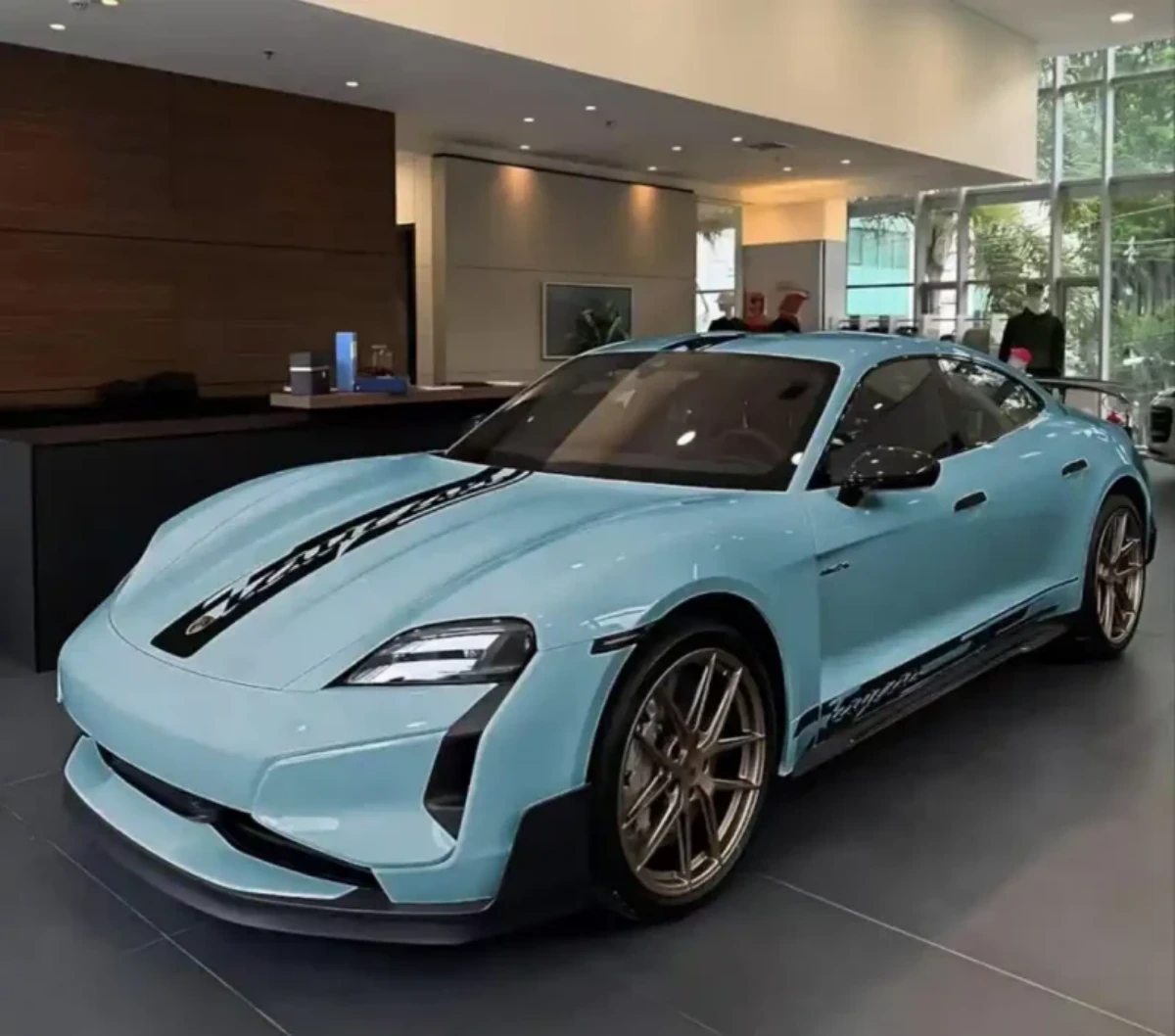
autoli TPU PPF Applied to all brand car models as McLaren、ds、Nissan、acura.Our factory cooperates with PPF installer、AutoZone、car Detail、Auto Repair Center、Car Customization Shop and all so in many countries and regions around the world,like Macedonia,Bulgaria,Egypt,Poland,Warranty: 10 years.Our advantages:Perfect after-sales service;High quality raw materials and advanced technology;Large stock of styles for you to choose from;Unlock Business Growth with Our Factory’s PPF;Your Key to Profitable PPF Ventures.Our factory also provides car wrapping、Paint Protection Film、Window tint.