

PPF’s protection on door edges prevents chips from open the doorcollisions, a common high-wear area on daily-driven cars.,Covers edges to prevent water ingress.,Cooperate for Gain: Diverse – Colored PPF, Speedy Turnaround, Certified Quality.
Before & After: How PPF Transforms a 10-Year-Old Car:
- Before: Step bumper with paint worn thin from loading cargo; After: Heavy-duty PPF adds protective layer, hiding wear and withstanding future use.
- Before: Windshield cowl with leaves and debris trapped, causing stains; After: PPF covers cowl, hiding stains and simplifying debris removal.
- Before: Door edge moldings with cracked rubber and exposed paint; After: PPF wraps edges under moldings, hiding exposed areas and preventing water intrusion.
- Before: Front license plate bracket mounting holes with rust around them; After: PPF covers hole perimeters, hiding rust and preventing corrosion spread.
- Before: Headlight washer nozzles with paint chipping around edges; After: PPF covers nozzle perimeters, hiding chips and preventing debris damage.
The protective performance of PPF:
- Transferable Warranty – Enhances resale appeal by extending coverage to subsequent owners, adding value.
- **Reduced Risk of Paint Cracking** – By providing a flexible and protective layer, PPF reduces the risk of paint cracking due to temperature changes or minor impacts.
- Salt Spray Resistance – Protects against corrosion caused by road salt used in winter or coastal environments.
- **Moisture Barrier** – PPF acts as a moisture barrier, preventing water from seeping into the paint and potentially causing rust or corrosion, especially in areas with high humidity or salty road conditions.
- **Anti – Abrasion in Car Washes** – Protects the paint from the abrasion caused by automatic car wash brushes, ensuring that the paint finish remains smooth and unblemished.
- Longevity – Offers long-term protection, with warranties ranging from 5 to 10 years depending on the product.
- Impact Resistance Rating Certification – Meets ASTM D3363 standards for abrasion resistance, ensuring real-world durability.
- **Resistance to Insect Acid** – The acidic substances in insect remains can damage paint. PPF resists the etching effect of insect acid, keeping the paint in good condition.
- Chemical Resistance – Resists damage from acids, oils, solvents, and corrosive substances like road salt and industrial pollutants.
The materials and technologies of PPF:
- Antibacterial and mold-resistant coating technology: Silver ion antibacterial agent is added to the membrane surface, which inhibits the growth of mold and bacteria in humid environments. This technology is particularly suitable for long-term use in areas with frequent rainfall and high humidity.
- UV-stabilized adhesive: Resists yellowing and degradation under prolonged sunlight exposure, backed by 10-year adhesion warranties.
- Electromagnetic interference (EMI) shielding: Integrates graphene nanosheets to block 99% of electromagnetic radiation, critical for electric vehicle electronics.
- EV-specific lightweight optimization: Reduces base material density by 15% for electric vehicles, minimizing added weight impact on battery range.
- Surface hardness enhancement technology: By incorporating nano-ceramic particles into the coating, the pencil hardness of the film surface is increased to 9H level, enhancing the anti-scuff and anti-abrasion performance against hard objects such as keys and sand.
- Precision cutting technology: Relying on digital pattern data, it enables precise, non-destructive cutting for different vehicle surfaces, reducing membrane stretching damage during installation.
- Ozone resistance aging technology: Adding an ozone inhibitor to resist the oxidation and degradation of TPU by ozone in the urban atmosphere, extending the service life in polluted environments.
- Fire-resistant coating: Passes UL94 V-0 certification with flame spread rate <10mm/min, meeting automotive safety standards.
- Marine-grade corrosion resistance: Passes 5,000-hour salt spray testing (ASTM B117), protecting vehicles in coastal and winter road salt environments.
- Ceramic coating compatibility: Features a receptive top layer that bonds seamlessly with ceramic coatings, creating a hybrid protection system with enhanced scratch resistance.
The user perception and consumption misconceptions of PPF:
- Correct Perception: Long-Term Cost Savings – 68% of users understand PPF reduces repaint costs over 5 years, aligning with data showing $2,000 savings on luxury vehicles.
- Consumer Misconception: “PPF Causes Paint Bubbles” – Blaming PPF for bubbles, unaware they’re usually from improper installation or pre-existing paint issues.
- Correct Perception: Matte Finish Compatibility – Educated buyers seek matte-specific PPF, avoiding gloss films that ruin specialty paint textures.
- Consumer Misconception: “Once Applied, No Maintenance Needed” – A common myth that PPF requires zero upkeep, ignoring the need for pH-neutral cleaning to preserve hydrophobicity.
- Consumer Misconception: “PPF Makes Paint Shiny Forever” – Expecting permanent gloss, not realizing topcoat wear requires periodic sealant reapplication to maintain shine.
- Consumer Misconception: “All PPF Self-Heals the Same” – Assuming budget films repair as well as premium ones, unaware that microcapsule density varies by price point.
- Consumer Misconception: “PPF Works on Rusty Surfaces” – Applying PPF over existing rust, unaware it traps moisture and accelerates corrosion.
- Consumer Misconception: “PPF Hides Existing Paint Damage” – A false belief that PPF covers swirl marks or chips, when pre-installation paint correction is actually required.
- Consumer Misconception: “Thicker PPF = Better Protection” – Assuming 10mil PPF is always superior, ignoring that excessive thickness can cause edge lifting on curved surfaces.
TPU PPF VS PET PPF:
- Self-Healing Capability – TPU PPF repairs 3μm scratches via heat activation, whereas PET PPF lacks self-healing, requiring replacement for even minor damage.
- Impact Resistance – TPU PPF absorbs 75% of rock chip energy at 60km/h, while PET PPF transfers 60% of impact force to underlying paint.
- Installation Training Requirements – TPU PPF requires 20 hours of training, while PET PPF needs 40 hours due to less forgiving application.
- Ease of Repositioning – TPU PPF allows 3–5 repositioning attempts, whereas PET PPF’s adhesive activates permanently after initial contact.
- Edge Lifting Resistance – TPU PPF’s heat-sealed edges reduce lifting by 75%, whereas PET PPF edges lift 30% more frequently in car washes.
- Lightweight Advantage – TPU PPF’s strength-to-weight ratio is 2x higher than PET PPF, allowing thinner films with equivalent protection.
- Fire Resistance – Flame-retardant TPU PPF achieves UL 94 V-0 rating, whereas standard PET PPF is classified as UL 94 HB (slow burning).
- Biodegradable Options – Some TPU PPF variants biodegrade in 3–5 years, while PET PPF is non-biodegradable with no eco-friendly alternatives.
- Cold-Weather Flexibility – TPU PPF remains flexible at -30°C, while PET PPF cracks when bent at -10°C.

The user pain points of PPF and their solutions:
- ADAS Sensor Interference – Prevented by radar-transparent PPF (99.9% signal transmission) tested with OEM systems.
- Warranty Void Due to DIY Installation – Resolved by offering “DIY-friendly” kits with warranty coverage for proper application.
- Discoloration on Dark Paint – Solved by high-clarity TPU with low-iron content, preventing blue/green tint on black vehicles.
- DIY Installation Failures – Resolved with pre-cut laser patterns, air-release adhesives, and step-by-step video tutorials.
- Mold Growth in Humid Climates – Prevented by antimicrobial additives and breathable film designs allowing moisture evaporation.
- Long Installation Downtime – Reduced to 1–2 days with pre-cut kits and rapid-cure adhesives (24-hour bonding).
The construction and maintenance of PPF:
- Tapered Overlap Seams – Feathered edge overlaps (≤0.5mm) create invisible, water-resistant seams between panel sections.
- Wet Application Method – Spraying a soapy water solution between the film and surface allows repositioning before final adhesion.
- Heat Gun Distance Control – Keeping heat guns 15–20cm from edges prevents film shrinkage during edge sealing.
- Soft Rubber Squeegees for Curves – Flexible squeegees conform to rounded surfaces like fenders, reducing edge lifting risk during application.
- Remove Bird Droppings Promptly – Cleaning acidic bird droppings within 24 hours prevents etching through the protective layer.
- Bi-Weekly Bird Dropping Inspections – Regular checks allow prompt removal of acidic droppings before they etch the topcoat.
The environmental protection and sustainability of PPF:
- Water Conservation in Production – Closed-loop water systems in manufacturing reduce freshwater usage by 70%, limiting strain on local water resources.
- Compostable Adhesives – Plant-based adhesives break down in 18 months under composting, avoiding persistent chemical residues in soil.
- Carbon Footprint Labeling – Clear labels show kg CO?e per roll, helping consumers prioritize low-impact products.
- Reduced Repaint Frequency – PPF’s 5–10 year protection cuts automotive repaint cycles, saving 3 gallons of paint per vehicle over its lifespan.
- Eco-Friendly Certification – PPF meeting ECOCERT or UL Environment standards verifies reduced environmental impact across product lifecycles.
- Low-Impact Installation – Water-based application solutions replace harsh solvents, minimizing environmental harm during professional installation.
- Energy-Efficient Curing Ovens – Infrared curing reduces energy use by 50% compared to traditional convection ovens in production.
Why TPU PPF:
- Multi-Zone Use – Can cover dining, lounging, and cooking areas in large outdoor spaces.
- Customizable Sizes – Available in standard (3m×4m) to large (6m×10m) dimensions, with modular designs for expansion.
- Adjustable Roof Options – Compatible with louvered systems for rain/sun control (manual or motorized).
- Snow Load Capacity – Reinforced beams support 20–30 kg/m2 snow loads in cold climates.
- Fire Rating Compliance – Achieves Class A fire rating, meeting strict building codes in fire zones.
AUTOLI(CN) PPF(Paint Protection Film) factory
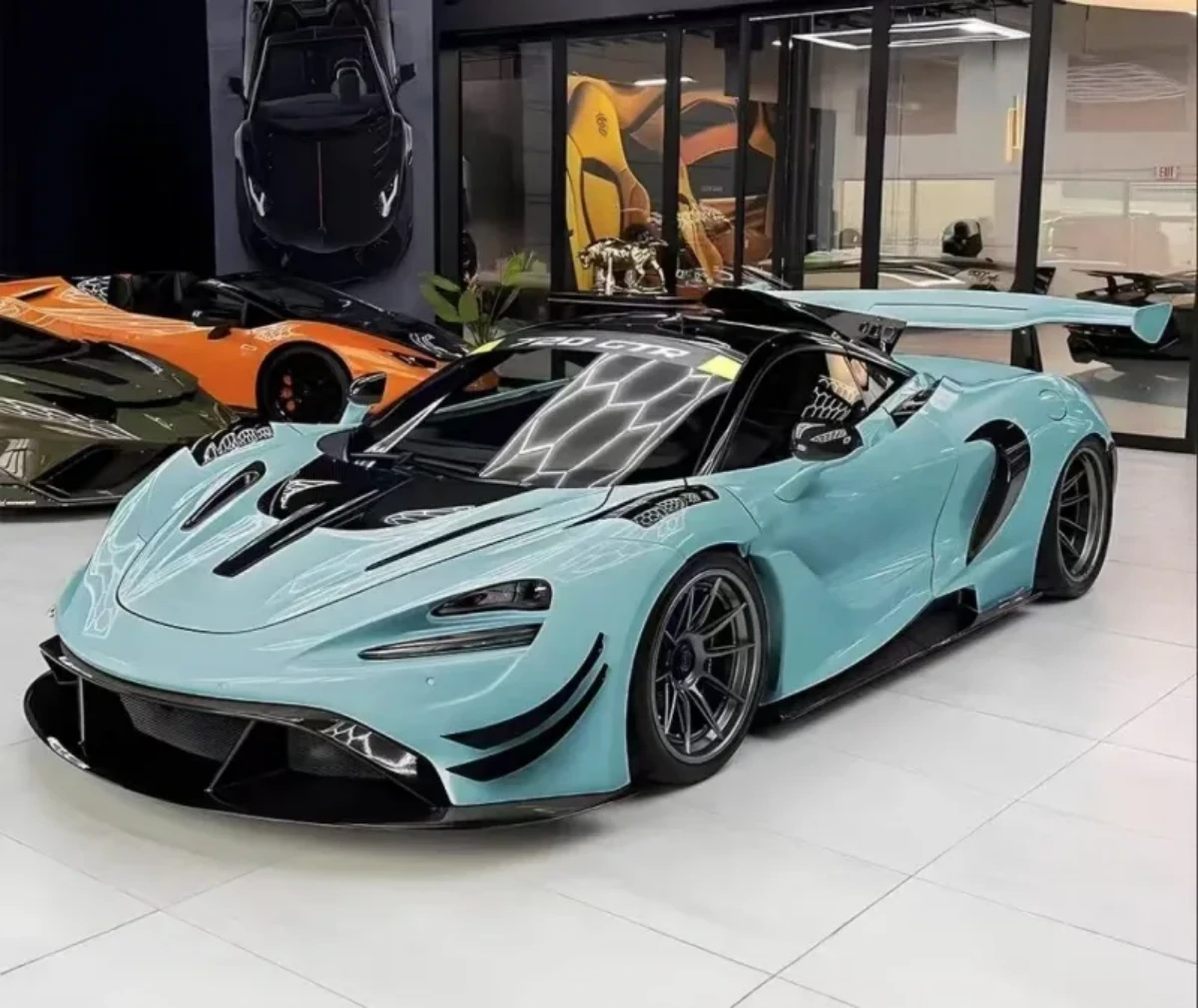
autoli TPU PPF Applied to all brand car models as Porsche、Dodge、Cadillac、Jaguar、binli、bmw.Our factory cooperates with PPF wholesale、car Detail、Auto Repair Center and all so in many countries and regions around the world,like Colombia,Ireland,Bulgaria,Peru,Warranty: 10 years.Our advantages:Collaborate for Lucrative Returns: Source factory;Perfect after-sales service;Short production cycle, quick delivery;Efficient production reduces costs;Unlock Business Growth with Our Factory’s PPF.Our factory also provides Car PPF、Window tint、Car Wrap.