

PPF’s hydrophobicity makes rainwater bead and roll off, reducing water spots that require frequent detailing.,Prevents cargo scratches on rear bumpers.,Factory – Driven Collaboration: Quality PPF, Lower Costs.
Before & After: How PPF Transforms a 10-Year-Old Car:
- Before: Front fender emblems with faded paint on logos; After: Clear PPF covers emblems, preserving logos and resisting weathering damage.
- Before: Headlights cloudy from UV damage, reducing visibility; After: PPF’s clear film covers haze and blocks UV, restoring 80% of original light output.
- Before: Hood prop rod mounting point with paint worn from contact; After: PPF covers mounting area, hiding wear and reducing friction damage from prop rod.
- Before: License plate area with rust bleeding through paint; After: PPF acts as a moisture barrier, covering rust signs and preventing further corrosion.
- Before: Hood covered in rock chips from a decade of highway driving; After: PPF’s impact-resistant layer conceals existing chips and prevents new ones, creating a smooth surface.
- Before: Side marker lights with cracked lenses from impacts; After: PPF’s impact absorption covers minor cracks and prevents lens breakage.
The long-term monitoring and maintenance system after the installation of PPF:
- Professional Detailing Partnerships – Scheduling annual professional decontamination (iron removal, tar cleanup) to preserve topcoat.
- Avoid Automated Brush Washes – Opting for touchless or hand washes to prevent brush-induced swirl marks on topcoats.
- Warranty Claim Documentation – Collecting photos, receipts, and inspection reports to support warranty claims for premature wear.
- Bi-Annual Hydrophobicity Tests – Spraying water to check contact angles (>110° indicates effective topcoat; re-seal if below 90°).
- Chemical Exposure Audits – Checking for discoloration or softening after contact with gasoline, brake fluid, or industrial cleaners.
- Contaminant Identification Guides – Referring to brand charts to distinguish between tar, sap, and paint overspray for proper removal.
- Self-Healing Activation in Cold Weather – Parking in sunlight on mild days or using a hair dryer (low heat, 30cm distance) to repair micro-scratches.
- Seasonal Yellowing Assessments – Comparing paint color with a reference sample using spectrophotometers to track ΔE values under varying UV exposure.
- Color Stability Tracking – Comparing colored PPF to original swatches annually to detect fading, especially in red/blue films.
The market trends and industry changes of PPF:
- Rise of Professional Detailing Chains – Organized car care franchises in India and Thailand are offering PPF as a core service, bundling it with ceramic coatings and detailing packages to attract premium customers.
- Heat-Activated Self-Healing Advancements – Next-gen TPU films activate self-healing at lower temperatures (45°C), repairing 98% of micro-scratches within 8 minutes, enhancing consumer appeal.
- Aftermarket Warranty Innovations – Lifetime warranties on select PPF products (e.g., Aegis Eternal 400) are becoming standard, reflecting manufacturer confidence in material durability and performance.
- Premiumization Amid Inflation – Luxury PPF prices rose 12% in 2024, while budget options stayed stable, as brands prioritize high-margin segments.
- Digital Print Integration – UV-curable digital printing on PPF allows custom graphics/logos, with 35% of commercial fleets now using branded PPF for marketing.
- OEM Integration and EV Demand – Original equipment manufacturers (OEMs) are increasingly factory-installing PPF, particularly for electric vehicles (EVs), which represent 19% of OEM PPF applications due to their premium paint protection needs.
- Subscription-Based PPF Services – Startups offer monthly PPF maintenance subscriptions, including cleaning and inspections, with 20% renewal rates after the first year.
- Automation in Production Processes – Laser cutting technologies (e.g., GCC RX II) with 600g cutting force enable precise, waste-reducing PPF customization, improving material utilization efficiency to 94%.
- Thinner Yet Stronger Films – 6-mil PPF films now match the durability of 8-mil predecessors, reducing material use by 25% while maintaining impact resistance.
The regulations of PPF and after-sales services:
- EU Digital Product Passport – PPF manufacturers must disclose material composition and recycling details via the EU’s Digital Product Passport, enhancing supply chain transparency .
- DIY Installation Void Policies – Most warranties, including PurePPF and 3M, void coverage for self-installed films, emphasizing the need for certified professional application .
- Warranty Transferability – Transferred vehicle ownership often requires warranty re-registration, with brands like 3M requiring updated documentation to maintain coverage .
- Australia’s UV Protection Standards – PPFs sold in Australia/NZ must comply with AS/NZS 4399 for UV protection, requiring UPF ratings ≥15 and transparency in labeling .
- Nano-Coating Warranty Bundles – Hybrid solutions combining PPF with ceramic coatings (e.g., Onyx PPF Nano Coat) offer extended warranties covering both layers .
- Japan’s Window Tinting Restrictions – Japanese regulations ban PPF installation on front driver/passenger windows and mandate partial windshield film transparency to ensure unobstructed visibility .
The extension of PPF’s functions:
- Before: Roof antenna base with paint peeling around the edges; After: PPF seals the base edge, hiding peeling and preventing water from getting under paint.
- Before: Side vent grilles with dust buildup and paint chipping; After: PPF covers grille edges, hiding chips and simplifying cleaning of dust-prone areas.
- Before: Roof antenna with cracked paint from weathering; After: PPF’s flexible layer covers cracks and protects against rain/snow intrusion.
- Before: Side mirror housing gaskets with paint peeling at edges; After: PPF wraps gasket edges, hiding peeling and preventing water from getting under paint.
- Before: Side mirror adjustment controls (exterior) with paint wear; After: PPF covers controls, hiding wear and reducing friction during adjustments.
- Before: Wheel arches with paint chipping from gravel; After: Thick 10mil PPF lines arches, hiding existing damage and preventing new chips during turns.
TPU PPF VS PET PPF:
- Color Enhancement – TPU PPF’s high clarity enhances paint depth, while PET PPF can create a slight blue tint on dark colors.
- Weather Adaptability – TPU PPF performs in coastal salt spray, while PET PPF shows corrosion under film in high-humidity environments.
- Low-Temperature Installation – TPU PPF installs reliably at 15°C , while PET PPF requires 20°C environments to prevent adhesive failure.
- Eco-Friendliness – TPU PPF is 100% recyclable, while PET PPF’s adhesive layers complicate recycling, resulting in 60% lower recovery rates.
- Anti-Fog Properties – Hydrophilic TPU PPF options prevent headlight fogging, a feature absent in PET PPF.
- Warranty Claims – TPU PPF has 30% fewer warranty claims than PET PPF due to superior durability and performance consistency.
- Production Efficiency – TPU PPF’s continuous extrusion reduces waste by 40%, while PET PPF’s batch production generates 25% more scrap.
The horizontal comparison of PPF with other protection methods:
- PPF vs. Rubber Sealants – Rubber sealants protect gaskets from drying but have no role in paint protection, highlighting PPF’s focus on exterior surfaces.
- PPF vs. Paint Sealants – Sealants provide 6–12 months of chemical resistance, while PPF adds physical barrier protection against impacts, with both enhancing gloss but PPF lasting longer.
- PPF vs. Anti-Static Sprays – Sprays reduce dust attraction temporarily, while PPF’s anti-static properties last for years, with both aiding cleanliness but PPF offering more durability.
- PPF vs. Polyurethane Sprays – Polyurethane sprays form a hard, brittle layer prone to chipping, while PPF’s flexible TPU base absorbs impacts without cracking.
- PPF vs. Ceramic Coatings – PPF offers physical impact protection (resisting rocks/chips) while ceramic coatings focus on chemical resistance and hydrophobicity, with PPF lasting 5–10 years vs. 2–5 for ceramics.
The user perception and consumption misconceptions of PPF:
- Consumer Misconception: “PPF Blocks Car Washes” – Avoiding automated washes due to fear of damage, when brushless systems are actually safe for properly installed PPF.
- Consumer Misconception: “PPF Can’t Be Repaired” – Assuming damaged PPF requires full replacement, unaware small sections can be patched professionally.
- Correct Perception: Brand Reputation Matters – Discerning buyers choose established brands, associating 3M or XPEL with consistent quality over generic alternatives.
- Correct Perception: Impact Absorption Benefits – Off-road enthusiasts correctly rely on PPF to disperse rock impacts, reducing paint chipping by 75%.
- Consumer Misconception: “PPF Is Only for Luxury Cars” – Overlooking value for mainstream vehicles, where PPF still cuts repair costs by $300–$800 annually.
- Correct Perception: PPF Preserves Custom Paint Investments – Owners of $5k custom paint jobs use PPF, avoiding costly touch-ups from minor damage.
- Consumer Misconception: “PPF Works on Rusty Surfaces” – Applying PPF over existing rust, unaware it traps moisture and accelerates corrosion.
- Consumer Misconception: “All PPFs Are Identical” – Many buyers assume no quality difference between $500 and $3,000 PPF, neglecting TPU vs. PVC material distinctions.
- Correct Perception: Self-Healing Efficacy – Most users recognize PPF can repair minor scratches (≤3μm) with heat, though many underestimate the need for 40°C activation temperatures.
- Correct Perception: Matte Finish Compatibility – Educated buyers seek matte-specific PPF, avoiding gloss films that ruin specialty paint textures.
The protective performance of PPF:
- Tree Sap and Bird Dropping Resistance – Resists etching and staining from tree sap, bird droppings, and other organic substances.
- Industrial Pollution Defense – Protects against acid rain, salt spray, and airborne contaminants in harsh environments.
- **Protection against Minor Keying** – In the unfortunate event of minor keying, PPF can absorb some of the impact and minimize the damage to the underlying paint.
- Flexible Impact Resistance – Balances elasticity with toughness to absorb impacts while conforming to curves.
- Carbon Fiber & Piano Black Protection – Shields high-wear interior surfaces like carbon fiber and glossy trims from scratches.
- Gloss Enhancement Technology – Optical-grade clarity amplifies paint depth, creating a showroom finish without additional waxing.
- Longevity – Offers long-term protection, with warranties ranging from 5 to 10 years depending on the product.
- Car Polish Compatibility – Safe to use with most automotive polishes, though ceramic coatings are recommended for enhanced hydrophobicity.
AUTOLI(CN) PPF(Paint Protection Film) oem factory
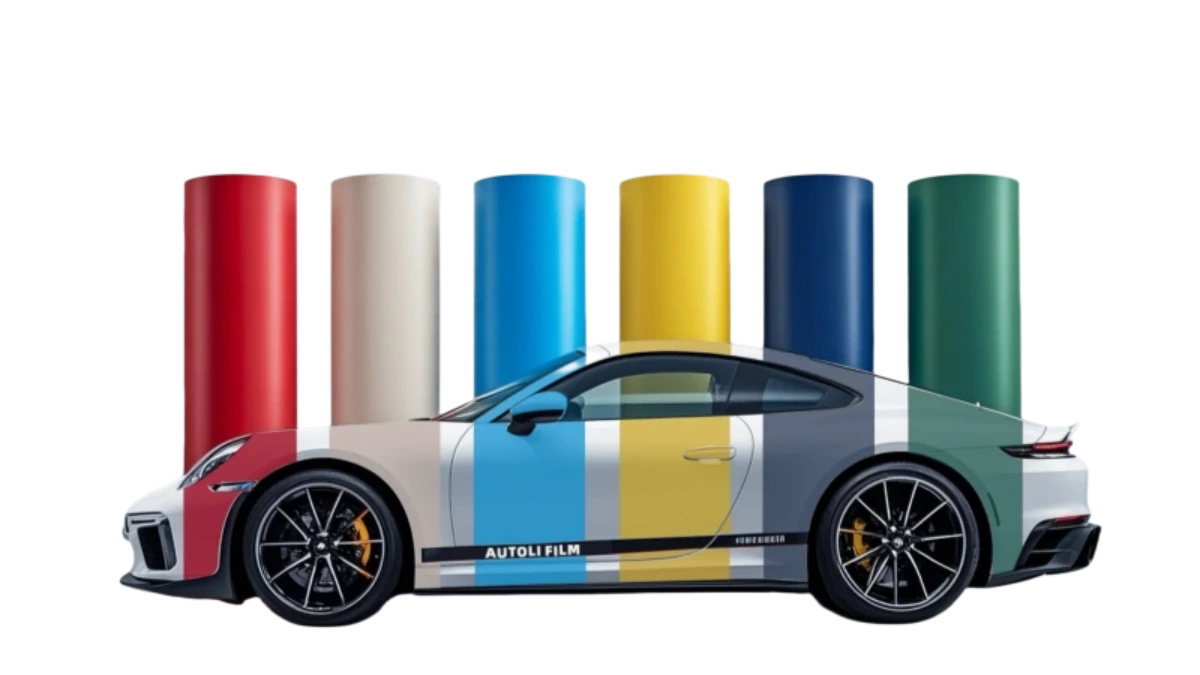
autoli TPU PPF Applied to all brand car models as Cadillac、Lexus、Lamborghini、Land Rover.Our factory cooperates with PPF wholesale、Auto Spa、PPF installer and all so in many countries and regions around the world,like Turkey,Iraq,Peru,Belgium,Luxembourg,Madagascar,Warranty: 10 years.Our advantages:Efficient production reduces costs;Our customers are all over the world;Short production cycle, quick delivery;Collaborate for Lucrative Returns: Source factory;High quality raw materials and advanced technology.Our factory also provides TPU PPF、Vinyl Car Wrap、Paint Protection Film.