

PPF’s ability to be heated and repositioned during installation ensures perfect alignment on complex body panels.,Resists industrial fallout rust spots.,Self-Healing PPF – 10-Year Warranty, OEM Support.
The user perception and consumption misconceptions of PPF:
- Correct Perception: UV Testing Validates Anti-Yellowing Claims – Checking for 1,000 hours of UV testing data, ensuring films resist discoloration in real-world use.
- Correct Perception: EV-Specific PPF Benefits – EV owners prioritize heat-resistant PPF for battery zones, reducing thermal damage risks during charging.
- Correct Perception: Post-Install Break-In Period – Following 30-day no-wash guidelines, understanding adhesives need time to fully bond.
- Correct Perception: Temperature Tolerance – Cold-climate users seek flexible PPF, avoiding cracking in sub-zero conditions unlike rigid alternatives.
- Consumer Misconception: “PPF Yellowing Is Visible Immediately” – Expecting instant discoloration, not realizing quality films take 5 years to show subtle yellowing.
TPU PPF VS PET PPF:
- Warranty Coverage – TPU PPF typically includes 5–15 year warranties, while PET PPF warranties rarely exceed 2–3 years.
- Production Waste – TPU PPF manufacturing generates 25% less waste than PET PPF production processes.
- Gloss Retention – TPU PPF maintains 90% gloss after 5 years, while PET PPF loses 40% gloss within 2 years of outdoor exposure.
- Chemical Cleaning Compatibility – TPU PPF tolerates iron removers and tar cleaners, while PET PPF may discolor with aggressive decontamination products.
- Industrial Applications – TPU PPF suits off-road vehicles and heavy machinery, whereas PET PPF is limited to low-impact urban use.
- Self-Healing Capability – TPU PPF repairs 3μm scratches via heat activation, whereas PET PPF lacks self-healing, requiring replacement for even minor damage.
- Anti-Microbial Options – Silver-ion TPU PPF inhibits bacteria growth, a feature not available in standard PET PPF formulations.
- Low-Light Visibility – TPU PPF’s clarity enhances nighttime visibility for headlights, while PET PPF can create slight haze reducing light output.
- Chemical Adhesion – TPU PPF bonds to factory and custom paints, while PET PPF may fail on matte or textured finishes.
- Marine Applications – Saltwater-resistant TPU PPF protects boats, while PET PPF degrades 3x faster in saltwater environments.
The horizontal comparison of PPF with other protection methods:
- PPF vs. Glass Coatings – Glass coatings excel on windows for clarity but don’t protect paint, whereas PPF is engineered specifically for automotive painted surfaces.
- PPF vs. Paint Sealants – Sealants provide 6–12 months of chemical resistance, while PPF adds physical barrier protection against impacts, with both enhancing gloss but PPF lasting longer.
- PPF vs. Hydrophobic Sprays – Sprays offer temporary water repellency (2–3 months), while PPF combines hydrophobicity with long-term scratch/impact protection (5 years).
- PPF vs. Vinyl Protectants – Vinyl protectants prevent cracking in vinyl wraps but don’t shield against impacts, unlike PPF which adds scratch resistance to wrapped surfaces.
- PPF vs. Matte Paint Sealants – PPF preserves matte paint texture while adding scratch resistance, whereas matte sealants focus on maintaining finish but lack impact defense.
- PPF vs. Acrylic Paint Sealants – Acrylic sealants harden into a rigid layer prone to peeling, while PPF remains flexible, reducing edge lifting in temperature changes.
- PPF vs. Glass Polish – Polish removes water spots from glass, while PPF on paint prevents spots via hydrophobicity, with distinct surface applications.
How TPU Redefines PPF:
- Production Efficiency – TPU’s extrusion-friendly properties redefined PPF manufacturing from batch processes to continuous production reducing costs.
- Anti-Yellowing Innovation – TPU blended with HALS stabilizers redefined PPF from yellowing-prone films to clear protectors maintaining transparency for decades.
- Disaster Resilience – TPU’s tear resistance redefined PPF from storm-vulnerable covers to hurricane and flood-resistant protectors for emergency vehicles.
- Aging Gracefully – TPU’s slow degradation redefined PPF from quickly obsolescent products to long-term investments maintaining performance over decades.
- Customization Capability – TPU’s laser-cuttable nature redefined PPF from generic sheets to vehicle-specific kits with precision fits for complex curves.
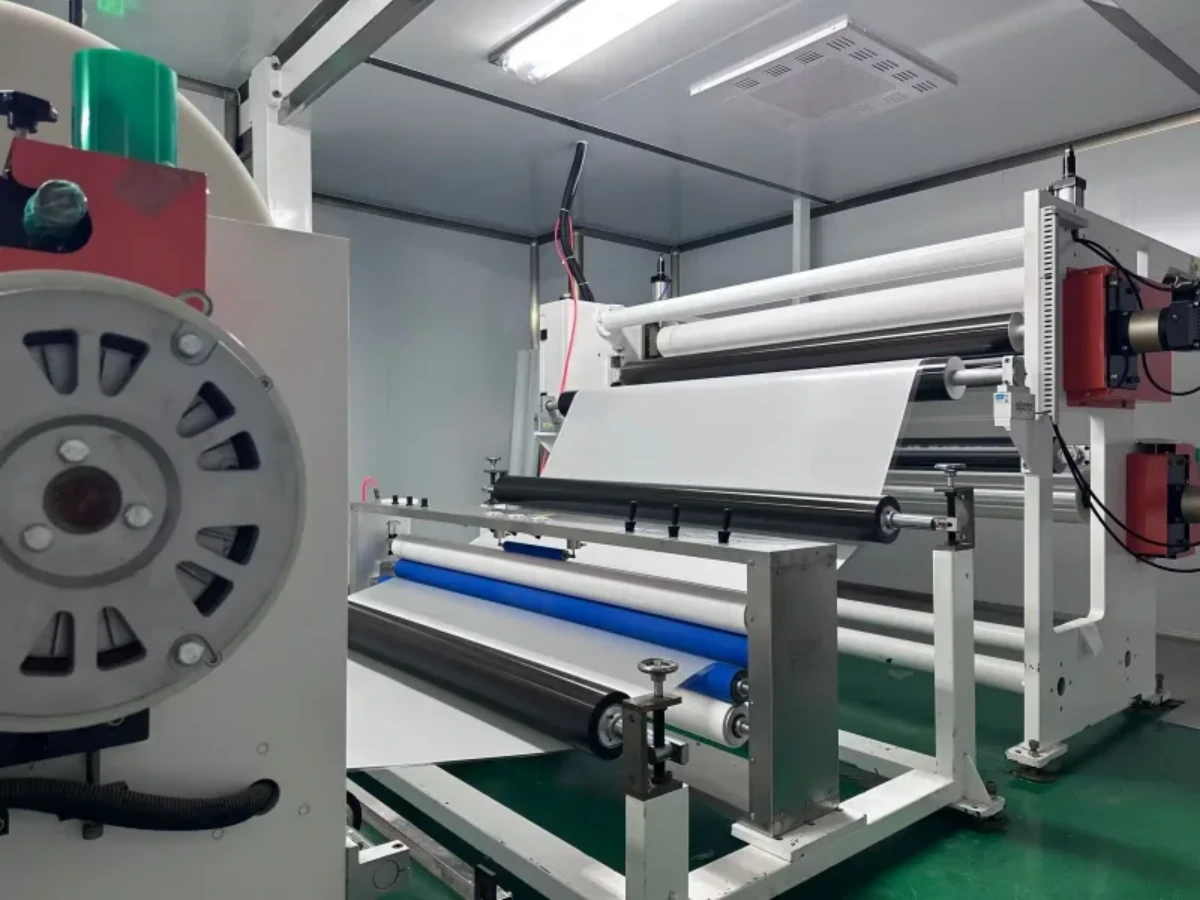
The protective performance of PPF:
- Harsh Chemical Resistance – Stands up to brake fluid, carb cleaner, and road salts without staining or damage.
- **Enhanced Chemical Barrier** – It provides an extra layer of chemical resistance, protecting against substances like gasoline spills or cleaning chemicals that might accidentally come into contact with the vehicle’s paint.
- **Enhanced Gloss Retention** – It helps the vehicle’s paint retain its original gloss over time, even with regular exposure to the elements.
- Brake Dust Chemical Resistance – Resists etching from iron-rich brake dust, maintaining wheel and fender clarity in high-performance vehicles.
- Self-Healing Properties – Automatically repairs minor scratches and swirl marks when exposed to heat (e.g., sunlight or warm water).
- Hydrophobic Coating – Repels water, dirt, and contaminants, making the surface easy to clean and maintain.
- Crystal-Clear Clarity – Maintains original interior aesthetics without distortion, preserving factory finishes.
- ASTM D1044 Compliance – Meets rigorous scratch resistance standards, ensuring reliable performance in real-world use.
- **Moisture Barrier** – PPF acts as a moisture barrier, preventing water from seeping into the paint and potentially causing rust or corrosion, especially in areas with high humidity or salty road conditions.
The product classification and selection logic of PPF:
- Long-Term Storage Consideration – Opting for breathable PPF for vehicles in long-term storage to prevent moisture trapping.
- Color Stability Prioritization – Selecting tinted PPF with fade-resistant pigments for color-enhancing applications.
- Maintenance Product Compatibility – Selecting PPF compatible with existing detailing products to avoid chemical damage.
- Debris Type Evaluation – Selecting sand-resistant PPF for desert regions vs. gravel-resistant variants for rural areas.
- Environmental Value Selection – Prioritizing bio-based or recyclable PPF for eco-conscious buyers despite higher upfront costs.
- Installation Time Consideration – Selecting pre-cut kits to reduce professional installation time for fleet vehicles.
How TPU Redefines PPF:
- Production Efficiency – TPU’s extrusion-friendly properties redefined PPF manufacturing from batch processes to continuous production reducing costs.
- Anti-Yellowing Innovation – TPU blended with HALS stabilizers redefined PPF from yellowing-prone films to clear protectors maintaining transparency for decades.
- Disaster Resilience – TPU’s tear resistance redefined PPF from storm-vulnerable covers to hurricane and flood-resistant protectors for emergency vehicles.
- Aging Gracefully – TPU’s slow degradation redefined PPF from quickly obsolescent products to long-term investments maintaining performance over decades.
- Customization Capability – TPU’s laser-cuttable nature redefined PPF from generic sheets to vehicle-specific kits with precision fits for complex curves.
TPU PPF VS PET PPF:
- Warranty Coverage – TPU PPF typically includes 5–15 year warranties, while PET PPF warranties rarely exceed 2–3 years.
- Production Waste – TPU PPF manufacturing generates 25% less waste than PET PPF production processes.
- Gloss Retention – TPU PPF maintains 90% gloss after 5 years, while PET PPF loses 40% gloss within 2 years of outdoor exposure.
- Chemical Cleaning Compatibility – TPU PPF tolerates iron removers and tar cleaners, while PET PPF may discolor with aggressive decontamination products.
- Industrial Applications – TPU PPF suits off-road vehicles and heavy machinery, whereas PET PPF is limited to low-impact urban use.
- Self-Healing Capability – TPU PPF repairs 3μm scratches via heat activation, whereas PET PPF lacks self-healing, requiring replacement for even minor damage.
- Anti-Microbial Options – Silver-ion TPU PPF inhibits bacteria growth, a feature not available in standard PET PPF formulations.
- Low-Light Visibility – TPU PPF’s clarity enhances nighttime visibility for headlights, while PET PPF can create slight haze reducing light output.
- Chemical Adhesion – TPU PPF bonds to factory and custom paints, while PET PPF may fail on matte or textured finishes.
- Marine Applications – Saltwater-resistant TPU PPF protects boats, while PET PPF degrades 3x faster in saltwater environments.
Say Goodbye to Car Scratches: Self-Healing PPF Revealed!:
- Jewelry scratches on door handles (from watches, bracelets) heal, preserving appearance in high-touch areas.
- Scratches from parking sensors or automatic door closers heal, maintaining a clean look on tech-integrated cars.
- Pet owners benefit from scratch repair on door panels and trims, as claw marks disappear with mild heat from sunlight or interior warmth.
- Newer self-healing formulations repair deeper scratches (up to 5μm), expanding their damage-reversal capabilities.
- Self-healing PPF minimizes “witness marks” from minor collisions, reducing the visual impact until professional repairs are possible.
- Scratches from car covers or snow brushes vanish, making seasonal protection methods safer for paint.
AUTOLI(CN) PPF(Paint Protection Film) oem factory
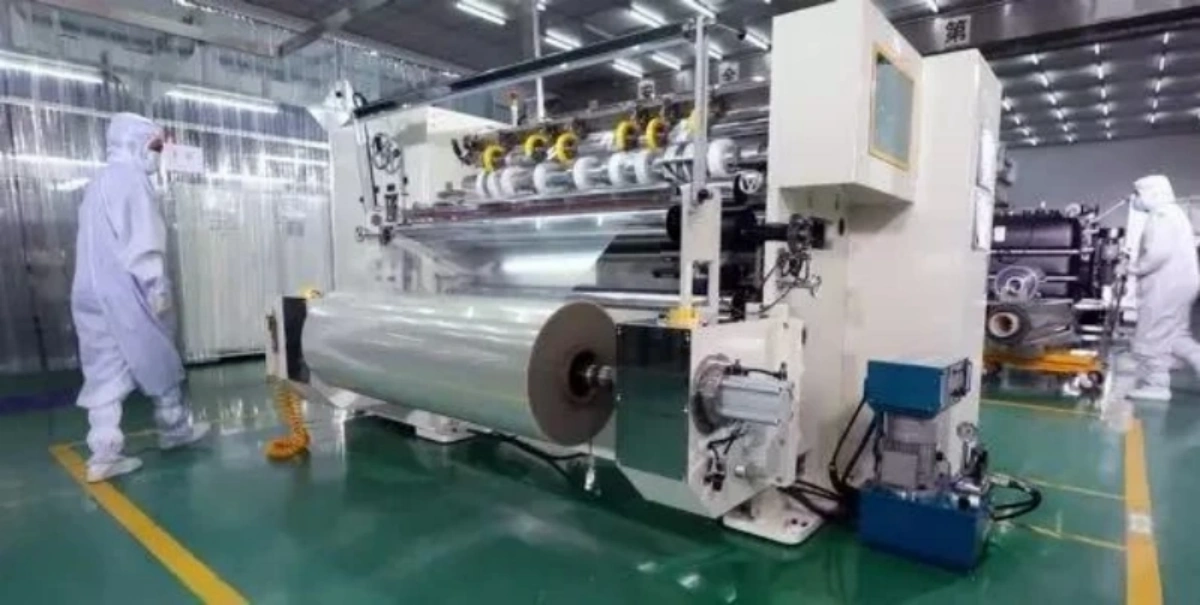
autoli TPU PPF Applied to all brand car models as Benz、bmw、volvo、Toyota.Our factory cooperates with PPF wholesaler、PPF wholesale、ppf installation、PPF brand、Auto Detailing service and all so in many countries and regions around the world,like Luxembourg,Holland,Slovenia,Denmark,Thailand,Warranty: 10 years.Our advantages:Strict quality control system;Collaborate for Lucrative Returns: Source factory;Unlock Business Growth with Our Factory’s PPF;Your Key to Profitable PPF Ventures;High quality raw materials and advanced technology.Our factory also provides Window Film、vinyl car wrapping、carwraps、Vinyl Car Wrap.