

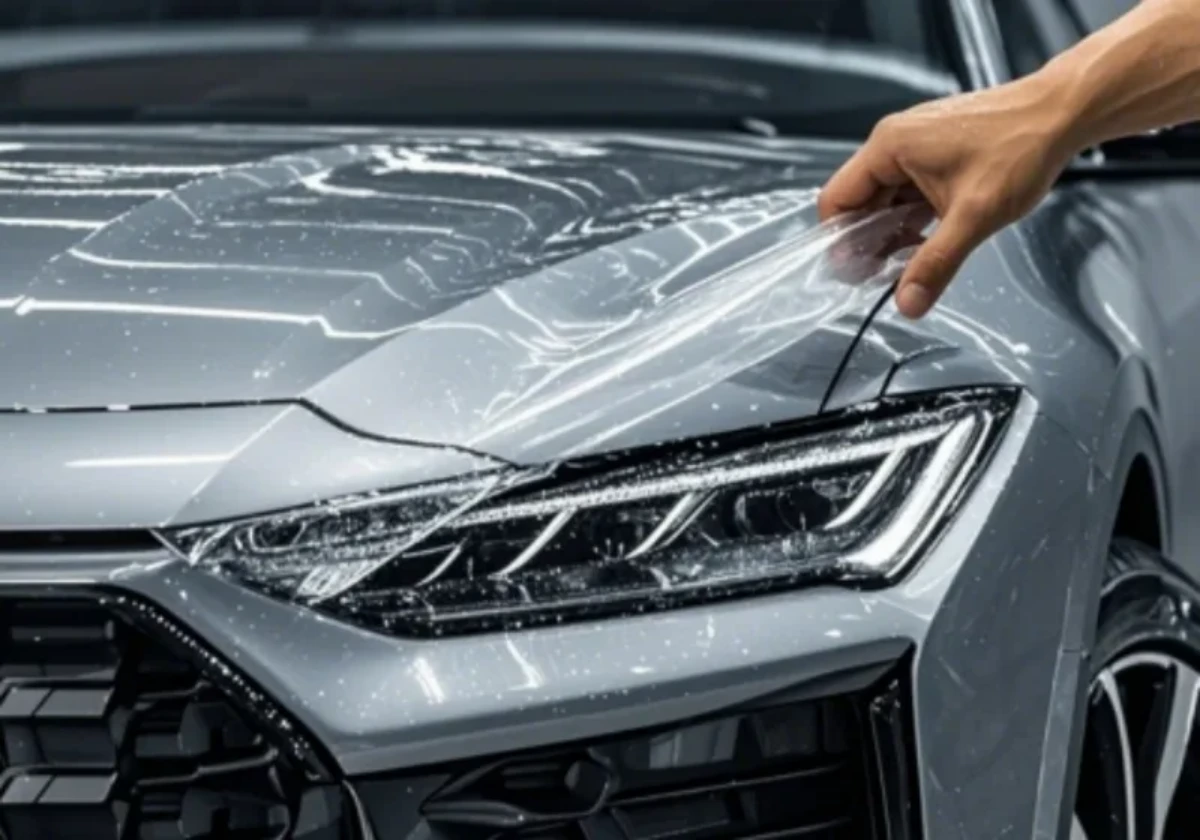
PPF’s non-yellowing formula ensures consistent appearance, avoiding uneven color changes across the vehicle.,Heat-repositionable during installation.,Your Ideal PPF Wrap Factory Partner.
The regulations of PPF and after-sales services:
- Recall Protocols for Defects – In cases of material defects (e.g., delamination), manufacturers like PurePPF coordinate nationwide recalls and replacements via authorized installers .
- Anti-Yellowing Guarantees – Brands like Aegis Eternal 400 offer 15-year warranties against yellowing, using HALS stabilizers to maintain optical clarity over extended periods .
- California CARB VOC Limits – PPF adhesives sold in California must comply with CARB’s strict VOC regulations, reducing harmful emissions during installation to align with regional air quality standards .
- Japan’s Window Tinting Restrictions – Japanese regulations ban PPF installation on front driver/passenger windows and mandate partial windshield film transparency to ensure unobstructed visibility .
- EU Digital Product Passport – PPF manufacturers must disclose material composition and recycling details via the EU’s Digital Product Passport, enhancing supply chain transparency .
- Cross-Industry Regulatory Alignment – PPFs used in electronics or aerospace must comply with sector-specific standards (e.g., FCC for electronics), expanding regulatory complexity .
- Certified Installer Networks – Brands like Eastman (DragonFilm) enforce tiered certification programs (e.g., 1-star to 7-star) to ensure standardized installation practices and warranty validity .
How TPU Redefines PPF:
- Self-Healing Revolution – TPU’s microstructural recovery under heat redefined PPF from static protection to dynamic, scratch-repairing films that mend 3μm scratches automatically.
- High-Pressure Wash Safe – TPU’s strong adhesion redefined PPF from hand-wash-only films to pressure washer-compatible protectors simplifying cleaning.
- Lightweight Advantage – TPU’s low density redefined PPF from heavy covers to fuel-efficient options reducing vehicle weight by 1–2kg vs. PVC alternatives.
- Installation Ease – TPU’s air-release adhesives and repositionable properties redefined PPF installation from labor-intensive to DIY-friendly with minimal bubbles.
- Customization Capability – TPU’s laser-cuttable nature redefined PPF from generic sheets to vehicle-specific kits with precision fits for complex curves.
The cutting-edge technology research and development of PPF:
- Biodegradable Conductive PPF – Carbon nanotube-doped bioplastics enable flexible electronics integration with 2-year composting capability.
- Dynamic Mechanical Response Coatings – Shape memory polyurethanes with programmable stress-strain curves adapt to impact forces in automotive collisions.
- Bio-Based Flame Retardant Coatings – Chitosan and ammonium polyphosphate composites provide V-0 rating in UL 94 tests with <1% loading.
- AI-Optimized Recycling – Machine learning algorithms sort end-of-life PPF by material composition, improving recycling efficiency to 95%.
- Biodegradable Edge Sealants – Plant-based sealants with controlled degradation rates prevent edge lifting while decomposing naturally in soil.
- Smart Sensor Integration – MEMS-based pressure and temperature sensors embedded in PPF monitor impact forces and environmental conditions in real-time.
- Dynamic Wettability Coatings – pH-responsive surfaces switch between superhydrophobic and hydrophilic states to adapt to varying environmental conditions.
- Nano-Textured Anti-Icing Surfaces – Laser-induced nanostructures reduce ice adhesion strength by 80%, preventing snow accumulation on vehicles.
- Nano-Bubble Enhanced Hydrophobicity – Microplasma-treated surfaces trap air nanobubbles, creating a Cassie-Baxter state for extreme water repellency.
The market trends and industry changes of PPF:
- Sustainability-Driven Material Shifts – The EU’s Packaging and Packaging Waste Regulation (PPWR) mandates recyclable materials by 2030, prompting PPF manufacturers to adopt bio-based TPU and recycled polypropylene (PP) to reduce environmental impact.
- EV Battery Heat Resistance Focus – Next-gen PPF films are engineered to withstand 120°C from EV battery systems, preventing delamination in high-heat zones like undercarriages.
- Regional Market Expansion in Asia-Pacific – The Asia-Pacific PPF market is growing at a 6.6% CAGR, led by China and India, where rising vehicle ownership and premium car sales drive demand for long-lasting protection solutions.
- Increased Adoption in Non-Automotive Sectors – PPF applications are expanding to electronics (screen protection), aerospace (corrosion resistance), and industrial equipment, diversifying revenue streams for manufacturers.
- Detailing Chain Partnerships – PPF brands are collaborating with chains like Detail Garage, offering co-branded training and product bundles to expand reach.
- Social Proof-Driven Sales – 65% of consumers cite online reviews and before/after videos as key factors in PPF brand selection, fueling influencer marketing growth.
The production supply chain and quality control system of PPF:
- Adhesion Testing – Peel strength measurements (180°/90°) on sample cuts to verify adhesive bond strength.
- High-Temperature Stability – Oven testing at 80°C for 1,000 hours to check for adhesive failure or discoloration.
- Incoming Material Inspection – 100% testing of TPU resin for melt index, density, and impurity levels before production.
- Supplier Quality Development – Workshops with suppliers to improve incoming material quality and reduce inspection efforts.
- Extrusion Line Suppliers – Collaboration with machinery firms (e.g., Reifenh?user) for precision extrusion equipment.
- Root Cause Analysis – 5 Whys methodology applied to recurring defects to prevent reoccurrence.
The horizontal comparison of PPF with other protection methods:
- PPF vs. Headlight Restoration Kits – Restoration fixes yellowing, while PPF prevents UV damage and rock chips on headlights, extending clarity 3x longer than restored lenses alone.
- PPF vs. Vinyl Protectants – Vinyl protectants prevent cracking in vinyl wraps but don’t shield against impacts, unlike PPF which adds scratch resistance to wrapped surfaces.
- PPF vs. Lacquer Sealants – Lacquer sealants provide a glossy finish but yellow quickly under UV, while PPF’s anti-yellowing formulas maintain clarity for a decade.
- PPF vs. Acrylic Sealants – Acrylic sealants offer temporary gloss (3–6 months) without impact resistance, while PPF adds a physical layer shielding against chips and scratches.
- PPF vs. Stone Chip Resistant Paint – Factory chip-resistant paint offers minimal defense, while PPF adds a flexible layer that absorbs impacts, reducing chips by 75%.
- PPF vs. Ceramic Waxes – Ceramic waxes boost hydrophobicity for 6–12 months but lack impact protection, whereas PPF combines water repellency with scratch resistance.
- PPF vs. Traditional Wax – PPF provides long-term scratch/dent defense (5 years) compared to wax’s 2–3 months of mild UV protection and gloss enhancement.
The product classification and selection logic of PPF:
- Public Perception Consideration – Choosing invisible PPF over colored variants for professional or fleet vehicles.
- Impact Speed Consideration – Upgrading to high-speed impact-resistant PPF for race cars or highway patrol vehicles.
- Edge Seal Technology Selection – Upgrading to heat-sealable PPF for car wash frequenters to prevent edge lifting.
- Cleaning Compatibility Logic – Choosing PPF compatible with automated car washes for owners using convenience services.
- Warranty Duration Classes – Segmented by warranty terms (1–15 years), reflecting durability and manufacturer confidence in performance.
The materials and technologies of PPF:
- Low-VOCs production certification: Meets global eco-standards like GREENGUARD Gold, ensuring volatile organic compound emissions below 50μg/m3 during manufacturing.
- Self-healing touch-up pen: Provides a portable solution for repairing localized scratches, leveraging the same TPU memory technology as the film.
- Low-residue removable technology: The adhesive uses a reversible cross-linking formula. After long-term use, when removing it, there will be no residue of glue, and it will not damage the original paint and clear coat layer. This makes it convenient for later replacement or maintenance.
- Shape-memory alloy reinforcement: Restores film shape after severe impacts through embedded Ni-Ti alloys.
- High-performance adhesive layer technology: Utilizing low initial tack and high final tack pressure-sensitive adhesive, it allows for repeated positioning adjustments during installation. Once cured, it adheres tightly to the vehicle body without de-bonding or leaving residue.
- High light transmission control technology: Through material purification and coating optimization, it ensures high light transmission of the film surface, without obscuring the original luster of the vehicle paint, maintaining the appearance quality.
- Desert heat resistance: Reflects 85% of infrared radiation, reducing under-film temperatures by 10°C in desert environments.
- FDA Food Contact Compliance: Approved for indirect food contact, suitable for food delivery vehicles.
- Multi-layer optical coating: Combines anti-reflective and color-enhancing layers to boost paint color saturation by 5-8% while maintaining high light transmittance.
- Solvent-free adhesive process: The adhesive uses a 100% solvent-free pressure-sensitive adhesive formula, eliminating the risk of solvent evaporation residue and enhancing the environmental friendliness and long-term adhesion stability of the construction.
The differentiated user group needs matching of PPF:
- Art Car Enthusiasts – Select removable, customizable PPF that protects murals/decals from weathering while allowing design updates without damage.
- Agricultural Vehicle Operators – Use heavy-duty 12–15mil industrial PPF to shield tractor cabs from crop debris, mud, and chemical exposure.
- Military Vehicle Collectors – Use camouflage-compatible PPF that preserves original paint while hiding minor scratches from display and transport.
- Senior Living Community Shuttles – Need scratch-resistant PPF on step plates and door handles, enduring frequent passenger entry/exit.
- EV Owners – Require heat-resistant PPF (120°C ) for battery zones and radar-transparent films to maintain ADAS functionality.
- Mobile Blood Donation Vans – Prefer easy-to-sanitize PPF for interior surfaces, maintaining hygiene standards between donor appointments.
AUTOLI(CN) PPF(Paint Protection Film) oem factory
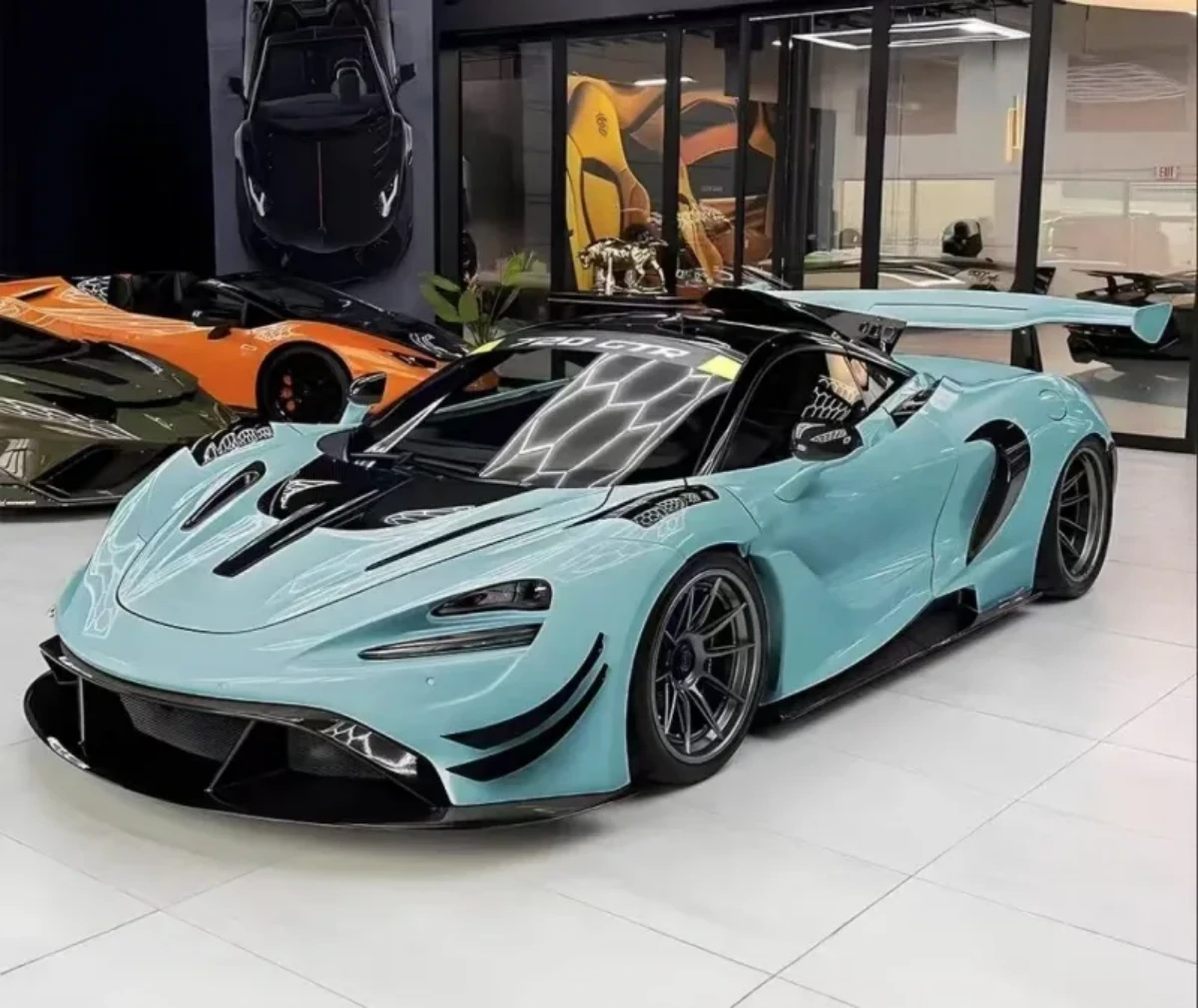
autoli TPU PPF Applied to all brand car models as binli、Benz、Porsche、binli.Our factory cooperates with Auto Detailing Shop、Auto Spa、PPF distributor and all so in many countries and regions around the world,like New Zealand,Macedonia,Egypt,Belgium,Warranty: 10 years.Our advantages:Short production cycle, quick delivery;Unlock Business Growth with Our Factory’s PPF;SGS, ASTM, REACH, UL and other certifications;Our customers are all over the world;Efficient production reduces costs.Our factory also provides Car PPF、Window Film.