

PPF’s self-healing works on car wash scratches, reducing the need for frequent polishing to remove swirl marks.,Enhances paint depth with low haze (<1.5%).,Partner with a PPF Wrap Factory: Exceptional Prices, Quick Delivery, Trusted Certifications.
The construction and maintenance of PPF:
- Avoid Parking Near Construction – Reducing exposure to heavy dust, gravel, or paint overspray preserves PPF integrity.
- Climate-Controlled Storage – Garage storage with stable temperatures reduces PPF edge lifting from extreme thermal swings.
- Edge Lifting Fix – Applying heat (60–80°C) and pressing edges with a microfiber cloth restores adhesion if lifting occurs.
- Low-Pressure Pre-Rinse – Gentle initial rinsing loosens surface dirt, reducing friction during washing to avoid swirl marks.
- Avoid Vinyl Cleaners on PPF – Vinyl-specific products can contain chemicals that dull or degrade PPF topcoats.
- Avoid Automated Car Washes with Brushes – Brushless washes prevent abrasive contact that can scratch PPF.
- PPF-Safe Adhesive Removers – Specialized solvents clean up installation mistakes without damaging the underlying paint.
- Avoid Parking Under Trees – Reducing exposure to sap, berries, and debris minimizes cleaning frequency and potential stains.
- Sunlight Healing Activation – Parking in direct sunlight allows minor scratches to self-heal via heat-induced molecular repair.
- Temperature Adaptation – Adjusting installation speed in cold climates (below 15°C) to allow adhesives proper activation time.
The long-term monitoring and maintenance system after the installation of PPF:
- Lease Vehicle Maintenance Logs – Documenting all cleanings and inspections to prove proper care for lease return inspections.
- Humidity-Controlled Storage – Covering vehicles with breathable covers in humid climates to reduce mold risk under PPF.
- Eco-Friendly Cleaning Alternatives – Using vinegar-based solutions (5% dilution) for water spot removal on PPF-safe surfaces.
- Warranty-Approved Tools – Using only brand-recommended squeegees and applicators for DIY maintenance to avoid warranty voidance.
- Summer Heat Protection – Parking in shade or using car covers with UV protection to reduce topcoat oxidation in 35°C weather.
- Interior PPF Cleaning Routine – Wiping dashboard films with 70% isopropyl alcohol to remove fingerprints without streaking.
- Bi-Weekly Basic Cleaning – Rinsing with low-pressure water to remove surface dirt, preventing abrasive particle buildup.
- Seasonal Storage Preparation – Cleaning thoroughly, applying sealant, and using breathable covers before 30 day storage periods.
The environmental protection and sustainability of PPF:
- Algae-Based TPU Blends – Experimental films use algae-derived polymers, reducing land use compared to plant-based alternatives.
- Reduced Microplastic Shedding – Durable TPU sheds 90% less microplastics than short-lived waxes or sealants that degrade quickly.
- Wind-Powered Manufacturing – PPF producers using wind energy reduce production emissions by 35% compared to grid-powered facilities, aligning with renewable energy goals.
- Mycelium Packaging Inserts – Mushroom-based packaging protects PPF during shipping, decomposing in 45 days without chemicals.
- 50% Less Water for Washing – Hydrophobic properties reduce car wash frequency, saving 200 gallons of water per vehicle annually.
- 30% Recycled TPU Blends – Films incorporating recycled TPU reduce virgin plastic use, with mechanical properties matching 100% virgin materials.
- Water Conservation in Production – Closed-loop water systems in manufacturing reduce freshwater usage by 70%, limiting strain on local water resources.
The product classification and selection logic of PPF:
- Seasonal Use Logic – Opting for temporary biodegradable PPF for seasonal vehicles (convertibles, snowmobiles).
- Climate-Specific Formulations – Categorized for tropical, cold, coastal, or desert climates, with additives addressing regional challenges.
- Thickness Optimization – Selecting 6–8mil for low-risk areas (roofs) vs. 10–12mil for high-impact zones (hoods, bumpers).
- Light Transmission Needs – Selecting high-clarity PPF for headlights to maintain visibility and safety.
- Aesthetic Priority Selection – Matching finish type (matte/gloss) to vehicle paint to preserve original appearance.
- Cost-Benefit Analysis – Balancing PPF cost against potential repaint expenses to determine optimal protection level.
- Finish Enhancement Goals – Selecting high-gloss PPF to amplify paint shine for show vehicles or luxury cars.
- Warranty Claim Ease – Choosing brands with digital warranty systems for streamlined claims processing.
- Anti-Static Needs – Selecting carbon-infused PPF for dust-prone environments to reduce surface dirt accumulation.
Before & After: How PPF Transforms a 10-Year-Old Car:
- Before: Front license plate frame with rust staining; After: PPF covers frame edges, hiding stains and preventing rust from spreading to bumper paint.
- Before: Rear wiper blade pivot point with rust; After: PPF seals the pivot, covering rust and preventing water from accelerating corrosion.
- Before: Windshield washer nozzles with paint chipping around them; After: PPF covers nozzle edges, hiding chips and preventing debris from damaging surrounding area.
- Before: Wheel well drain holes with rust around openings; After: PPF covers drain edges, hiding rust and preventing water from spreading corrosion.
- Before: Roof rails with scratched paint from roof rack use; After: PPF covers rail surfaces, hiding scratches and reducing friction from rack installation.
- Before: Wheel valve stem caps with faded color; After: PPF covers caps, preserving color and resisting scratches from tire pressure checks.
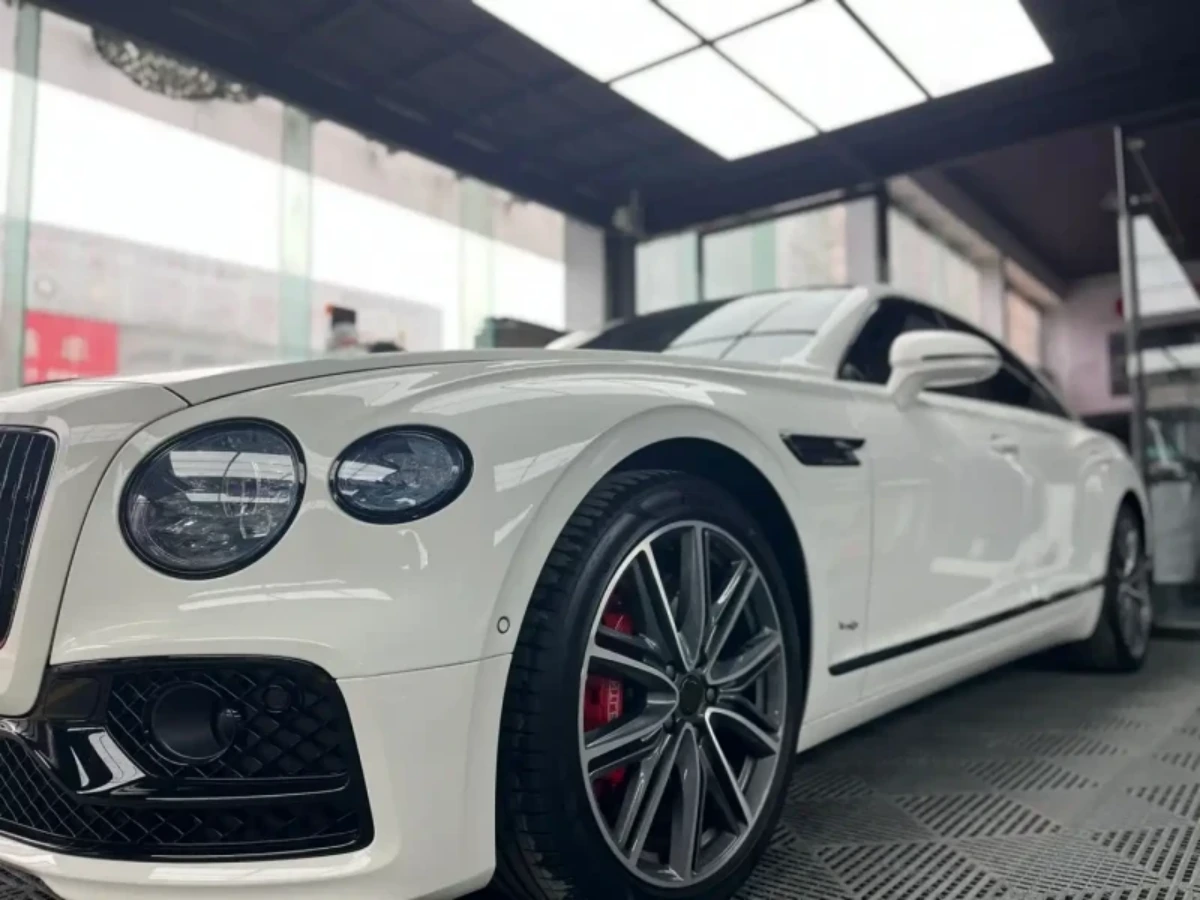
The user pain points of PPF and their solutions:
- Difficulty Removing Old PPF – Simplified with low-tack, residue-free adhesives and professional heat-assisted removal services.
- Unclear Warranty Coverage – Clarified via digital warranty passports detailing exclusions (wear, improper maintenance) and inclusions.
- Confusion About Maintenance Products – Solved by brand-specific cleaning kits and “approved products” lists to avoid topcoat damage.
- Matte Paint Distortion – Solved by matte-specific PPF (20–30% gloss) designed to preserve texture without shine spots.
- Poor Hydrophobicity Over Time – Restored by SiO? sealant boosters, reviving water repellency every 3–6 months.
- DIY Installation Failures – Resolved with pre-cut laser patterns, air-release adhesives, and step-by-step video tutorials.
The protective performance of PPF:
- Professional Installation Training – Certified installers ensure bubble-free application and optimal edge sealing.
- Off-Road Impact Protection – Thick films like Suntek Ultra Defense shield against branches, mud, and gravel in rugged terrains.
- Nano-Ceramic Reinforcement – Hybrid films combine TPU with ceramic particles for increased hardness (9H) and scratch resistance.
- Self-Healing in Low-Temperature Conditions – Advanced films like CarPro Immortal? activate self-healing even at -20°C without external heat.
- Industrial Pollution Defense – Protects against acid rain, salt spray, and airborne contaminants in harsh environments.
- **Chip and Dent Deterrence** – By acting as a buffer, PPF helps deter chips and small dents from forming on the vehicle’s bodywork caused by flying debris on the highway.
- Longevity – Offers long-term protection, with warranties ranging from 5 to 10 years depending on the product.
- Insect Residue Resistance – Repels and prevents staining from insect debris, such as bug splatters.
- **Anti-Graffiti Resistance** – It makes it difficult for graffiti to stick to the vehicle’s surface, and if any is applied, it can be removed more easily without harming the paint.
The cutting-edge technology research and development of PPF:
- 3D Laser Cutting – Femtosecond laser ablation creates intricate patterns with <10-micron precision, optimizing material usage by 95%.
- Nano-Ceramic Reinforced PPF – Zirconia and alumina nanoparticles increase PPF hardness to 9H while maintaining 85% transparency.
- Aerospace-Grade Composites – Polycarbonate-TPU blends engineered for aircraft windshields offer ballistic resistance and impact absorption in automotive applications.
- Bio-Based Flame Retardants – Chitosan-functionalized ammonium polyphosphate (CS-APP) and phenylphosphonic difurfurylamine (PPDF) provide V-0 rating in UL 94 tests with <1% loading.
- Nano-Ceramic Reinforced PPF – Zirconia and alumina nanoparticles increase PPF hardness to 9H while maintaining 85% transparency.
- Biodegradable Nanocomposites – Coconut husk-derived bioplastics and black phosphorus-reinforced PPF degrade in 3–5 years under industrial composting.
- Multifunctional Nanocomposites – Black phosphorus nanosheets in PPF bone cements combine osteogenic activity with photothermal tumor ablation.
- AI-Powered Defect Prediction – Machine learning models analyze extrusion parameters to predict and prevent defects before production starts.
- Superelastic PPF – Shape memory alloys (SMAs) integrated into TPU films recover from 500% elongation without permanent deformation.
AUTOLI(CN) PPF(Paint Protection Film) oem factory
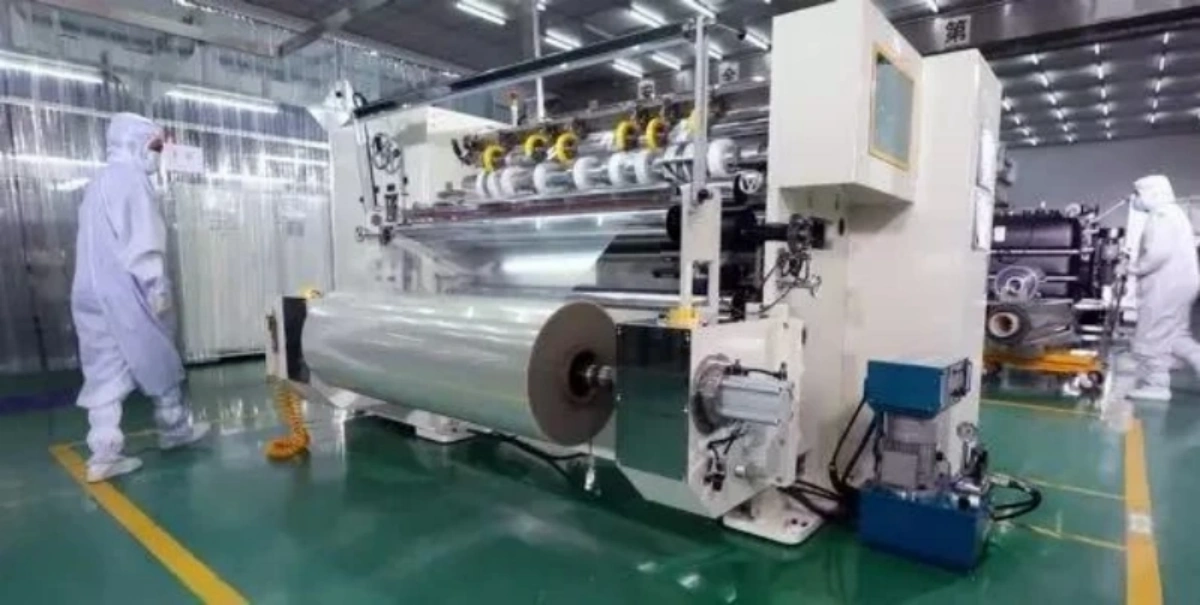
autoli TPU PPF Applied to all brand car models as Nissan、Audi、Mazda、acura、Alfa Romeo、ds.Our factory cooperates with PPF brand、Auto Detailing service、PPF wholesale and all so in many countries and regions around the world,like Egypt,Netherlands,Russia,Ireland,Japan,Warranty: 10 years.Our advantages:Unlock Business Growth with Our Factory’s PPF;High quality raw materials and advanced technology;Large stock of styles for you to choose from;Collaborate for Lucrative Returns: Source factory.Our factory also provides PPF FILM、Vinyl wrapping.