

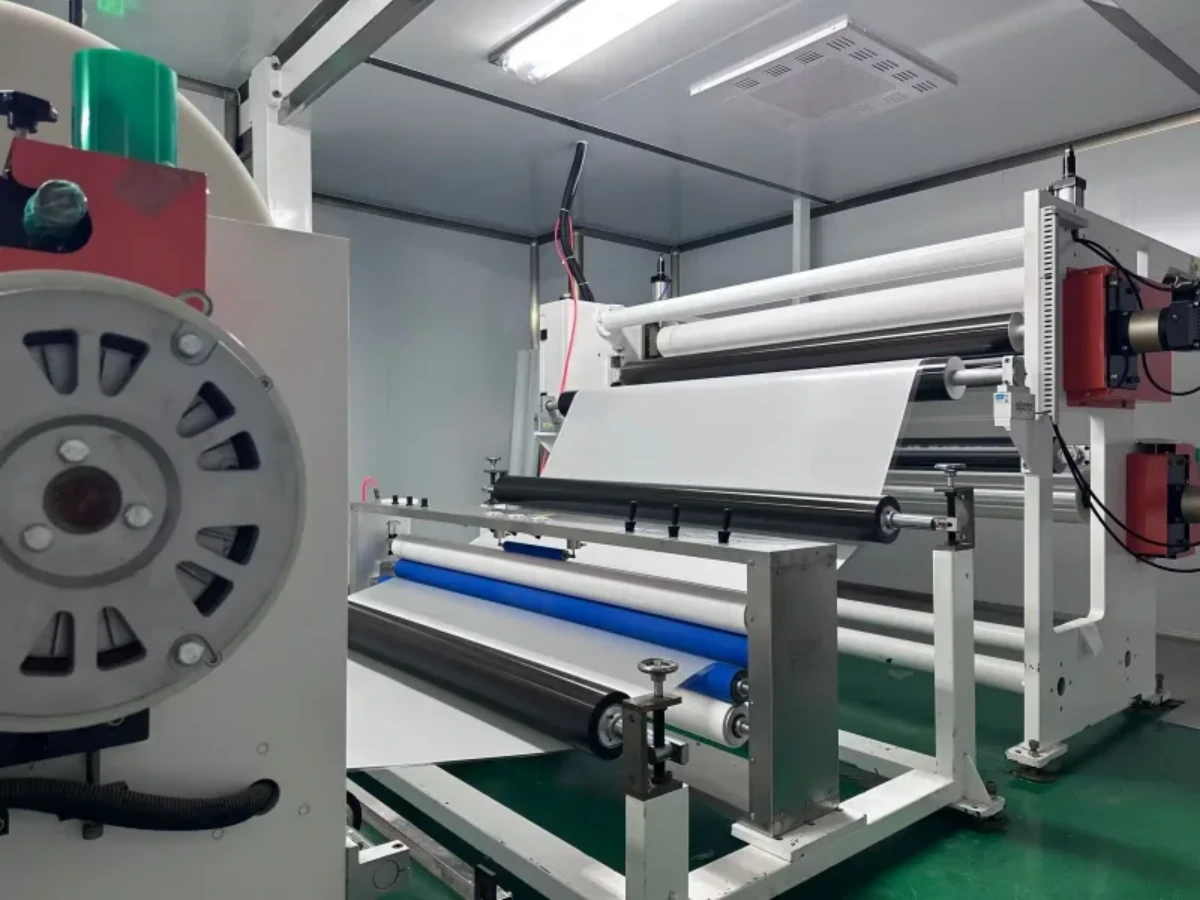
PPF’s compatibility with ceramic coatings allows layering, enhancing hydrophobicity and gloss for ultimate protection.,Reduces swirl marks from car washes.,Your PPF Wrap Business Booster: Low – Cost, High – Speed Factory.
The materials and technologies of PPF:
- Anti-chemical corrosion technology: Incorporating acid and alkali resistant components to resist erosion from substances like acid rain, bird droppings, and tree sap, protecting the vehicle paint from chemical damage.
- Desert heat resistance: Reflects 85% of infrared radiation, reducing under-film temperatures by 10°C in desert environments.
- Instant repair trigger for micro scratches: Optimizing the molecular activity threshold of TPU, it can quickly activate the repair mechanism at temperatures above 30 degrees Celsius or slight friction (such as towel wiping), shortening the response time for minor scratch repair.
- High light transmission control technology: Through material purification and coating optimization, it ensures high light transmission of the film surface, without obscuring the original luster of the vehicle paint, maintaining the appearance quality.
- Acid rain protection: Neutralizes sulfuric and nitric acid residues within 24 hours, tested at pH 2.5.
- Low haze light transmission technology: Through substrate purification and mirror-level polishing of the coating, light scattering on the film surface is reduced, minimizing the “white fog” phenomenon under sunlight, and maintaining the original color tone of the car paint.
- Conductive air release adhesive technology: The adhesive layer is designed with micro-nano air channels, which enable rapid air discharge during construction, preventing air bubbles from remaining, improving the bonding efficiency and flatness, and reducing the risk of bulging in the later stage.
The cutting-edge technology research and development of PPF:
- AI-Optimized Formulations – Machine learning models predict material performance across 10,000 TPU variants, accelerating R&D cycles by 60%.
- High-Temperature Resistant PPF – Polyimide-TPU blends withstand 232°C (450°F) for automotive exhaust systems and industrial machinery.
- Biodegradable Edge Sealants – Plant-based sealants with controlled degradation rates prevent edge lifting while decomposing naturally in soil.
- Shape Memory Adhesives – Adhesives with thermally activated shape recovery allow repositioning during installation without residue.
- Dynamic Mechanical Response Coatings – Shape memory polyurethanes with programmable stress-strain curves adapt to impact forces in automotive collisions.
The user perception and consumption misconceptions of PPF:
- Consumer Misconception: “All PPF Self-Heals the Same” – Assuming budget films repair as well as premium ones, unaware that microcapsule density varies by price point.
- Correct Perception: Interior PPF Benefits – Users protect dashboards and touchscreens, reducing UV fading and scratch visibility by 80%.
- Correct Perception: EV-Specific PPF Benefits – EV owners prioritize heat-resistant PPF for battery zones, reducing thermal damage risks during charging.
- Consumer Misconception: “PPF Works on Rusty Surfaces” – Applying PPF over existing rust, unaware it traps moisture and accelerates corrosion.
- Correct Perception: UV Testing Validates Anti-Yellowing Claims – Checking for 1,000 hours of UV testing data, ensuring films resist discoloration in real-world use.
- Consumer Misconception: “PPF Installation Takes Days” – Avoiding PPF due to perceived downtime, not knowing modern pre-cut kits reduce professional installs to 1–2 days.
- Consumer Misconception: “All Warranties Cover Everything” – Misreading warranties to include damage from accidents or improper cleaning, leading to denied claims.
- Correct Perception: Pre-Cut vs. Hand-Cut Tradeoffs – Users understand pre-cut kits save time, while hand-cut offers better precision on complex curves.
- Consumer Misconception: “PPF Is Only for Exteriors” – Overlooking interior applications, missing opportunities to protect door sills and touchscreens.
The horizontal comparison of PPF with other protection methods:
- PPF vs. UV-Blocking Window Tints – Tints reduce interior UV exposure, while PPF blocks exterior paint UV damage, with both addressing UV risks but on different surfaces.
- PPF vs. Chrome Plating Protection – Chrome sealants resist tarnishing, while PPF adds scratch resistance to chrome trims, with PPF better handling physical abrasion.
- PPF vs. Anti-Fade Treatments – Anti-fade treatments slow UV damage but don’t prevent scratches, unlike PPF which blocks UV rays and shields against physical wear.
- PPF vs. Metal Polish – Metal polish restores shine to chrome/alloys but offers no protection, while PPF on metal trims prevents future scratches and tarnishing.
- PPF vs. Acrylic Paint Sealants – Acrylic sealants harden into a rigid layer prone to peeling, while PPF remains flexible, reducing edge lifting in temperature changes.
- PPF vs. Clear Bra (Old-Generation) – Modern PPF offers self-healing and flexibility, outperforming rigid old-gen clear bras that crack in cold weather and lack repair abilities.
- PPF vs. Tire Dressing – Dressing enhances tire shine, while PPF has no role in tire care, illustrating their focus on separate vehicle components.
- PPF vs. Ceramic Coatings – PPF offers physical impact protection (resisting rocks/chips) while ceramic coatings focus on chemical resistance and hydrophobicity, with PPF lasting 5–10 years vs. 2–5 for ceramics.
- PPF vs. Paint Sealant Sprays – Sealant sprays offer 6–9 months of UV protection but no scratch defense, while PPF combines both for extended durability.
- PPF vs. Glass Coatings – Glass coatings excel on windows for clarity but don’t protect paint, whereas PPF is engineered specifically for automotive painted surfaces.
Before & After: How PPF Transforms a 10-Year-Old Car:
- Before: Side mirror housing gaskets with paint peeling at edges; After: PPF wraps gasket edges, hiding peeling and preventing water from getting under paint.
- Before: Exhaust tip surrounds with heat discoloration; After: High-temperature PPF covers blueing and resists heat damage, maintaining appearance.
- Before: Roof antenna base with paint peeling around the edges; After: PPF seals the base edge, hiding peeling and preventing water from getting under paint.
- Before: License plate area with rust bleeding through paint; After: PPF acts as a moisture barrier, covering rust signs and preventing further corrosion.
- Before: Door striker plates with paint worn from contact; After: PPF lines striker areas, covering wear and reducing friction between metal and paint.
- Before: Hood release lever (exterior) with paint worn from use; After: PPF covers lever, hiding wear and maintaining functionality without damage.
- Before: Windshield washer nozzles with paint chipping around them; After: PPF covers nozzle edges, hiding chips and preventing debris from damaging surrounding area.
- Before: Wheel well drain holes with rust around openings; After: PPF covers drain edges, hiding rust and preventing water from spreading corrosion.
- Before: Rear wiper arm base with rust and paint peeling; After: PPF seals the base, covering rust and preventing water intrusion that causes further damage.
How TPU Redefines PPF:
- Pet-Friendly Protection – TPU’s scratch resistance redefined PPF from delicate films to pet-safe solutions withstanding claws and fur on family vehicles.
- Impact Indication – Color-changing TPU layers redefined PPF from silent protectors to damage-alert systems revealing hidden impacts.
- Low-Labor Requirements – TPU’s forgiving installation redefined PPF from skilled-labor-dependent products to accessible services requiring less training.
- Fire Resistance – Flame-retardant TPU formulations redefined PPF from standard protectors to safety-enhancing films for high-risk environments.
- Multi-Layer Versatility – TPU’s compatibility with adhesive, core, and topcoat layers redefined PPF from single-layer films to multi-functional barriers with tailored properties.
- Multi-Vehicle Adaptability – TPU’s flexibility redefined PPF from car-only products to solutions for motorcycles, RVs, boats, and industrial equipment.
- Self-Healing Revolution – TPU’s microstructural recovery under heat redefined PPF from static protection to dynamic, scratch-repairing films that mend 3μm scratches automatically.
- Chemical Resistance – TPU’s resistance to bird droppings, road salt, and fuels redefined PPF from basic shields to multi-hazard barriers.
- Lightweight Advantage – TPU’s low density redefined PPF from heavy covers to fuel-efficient options reducing vehicle weight by 1–2kg vs. PVC alternatives.
TPU PPF VS PET PPF:
- Production Efficiency – TPU PPF’s continuous extrusion reduces waste by 40%, while PET PPF’s batch production generates 25% more scrap.
- Pest Resistance – TPU PPF’s non-organic composition resists rodent chewing, while PET PPF is occasionally gnawed by pests seeking nesting materials.
- Repair Potential – TPU PPF allows spot patching of damaged areas, while PET PPF requires full panel replacement for localized damage.
- Installation Training Requirements – TPU PPF requires 20 hours of training, while PET PPF needs 40 hours due to less forgiving application.
- Packaging Efficiency – TPU PPF rolls store flat without cracking, while PET PPF requires climate-controlled storage to prevent warping.
- Installation Time – TPU PPF full-vehicle installs take 1–2 days, while PET PPF requires 1 day but with higher risk of rework.
The cutting-edge technology research and development of PPF:
- AI-Optimized Formulations – Machine learning models predict material performance across 10,000 TPU variants, accelerating R&D cycles by 60%.
- High-Temperature Resistant PPF – Polyimide-TPU blends withstand 232°C (450°F) for automotive exhaust systems and industrial machinery.
- Biodegradable Edge Sealants – Plant-based sealants with controlled degradation rates prevent edge lifting while decomposing naturally in soil.
- Shape Memory Adhesives – Adhesives with thermally activated shape recovery allow repositioning during installation without residue.
- Dynamic Mechanical Response Coatings – Shape memory polyurethanes with programmable stress-strain curves adapt to impact forces in automotive collisions.
AUTOLI(CN) PPF(Paint Protection Film) manufacturer

autoli TPU PPF Applied to all brand car models as Jaguar、Toyota、Lincoln、mini.Our factory cooperates with Auto Detailing service、PPF wholesaler、PPF agent and all so in many countries and regions around the world,like USA,Japan,Sudan,Thailand,Ireland,Warranty: 10 years.Our advantages:Large stock of styles for you to choose from;Efficient production reduces costs;Your Key to Profitable PPF Ventures;Our customers are all over the world.Our factory also provides vinyl Wraps、car wrapping.