

PPF’s low surface energy resists dust adhesion, keeping cars cleaner longer between washes in dry, dusty regions.,5000-hour salt spray test without corrosion.,ccelerate Business Triumph: Low – Cost PPF, Ultra – Fast Delivery, Top – Notch Quality Marks.
The market trends and industry changes of PPF:
- Deep Scratch Self-Healing – Advanced films repair 5μm-deep scratches (vs. 3μm previously) using microcapsule technology, activated by body heat or sunlight.
- Subscription-Based PPF Services – Startups offer monthly PPF maintenance subscriptions, including cleaning and inspections, with 20% renewal rates after the first year.
- Water-Based Adhesive Adoption – PPF manufacturers are shifting to water-based adhesives, reducing VOC emissions by 60% to meet EU and California air quality regulations.
- Increased Adoption in Non-Automotive Sectors – PPF applications are expanding to electronics (screen protection), aerospace (corrosion resistance), and industrial equipment, diversifying revenue streams for manufacturers.
- Aerospace PPF Expansion – Lightweight PPF is being tested on aircraft exteriors, protecting against bird strikes and UV degradation in high-altitude environments.
- Online Certification Courses – Platforms like PPF University offer $99 online installer certifications, increasing skilled labor availability in underserved markets.
- 3D Scanning and Custom Fitment – Laser-precut films using 3D vehicle scanning technology ensure seamless alignment, reducing installation time by 30% compared to traditional hand-cut methods.
- Regional Finish Preferences – Matte PPF dominates Europe (45% of sales) while glossy finishes lead in North America (60%), reflecting aesthetic cultural differences.
The regulations of PPF and after-sales services:
- Nano-Coating Warranty Bundles – Hybrid solutions combining PPF with ceramic coatings (e.g., Onyx PPF Nano Coat) offer extended warranties covering both layers .
- Customer Support Hotlines – Brands like NAR PPF provide dedicated hotlines (4008 8181 07) for warranty claims, requiring vehicle details and installation records for processing .
- Cross-Industry Regulatory Alignment – PPFs used in electronics or aerospace must comply with sector-specific standards (e.g., FCC for electronics), expanding regulatory complexity .
- EU Digital Product Passport – PPF manufacturers must disclose material composition and recycling details via the EU’s Digital Product Passport, enhancing supply chain transparency .
- Solvent-Free Adhesive Requirements – EU REACH and California CARB regulations push PPF producers to adopt solvent-free adhesives, reducing carbon footprints by up to 80% .
- DIY Installation Void Policies – Most warranties, including PurePPF and 3M, void coverage for self-installed films, emphasizing the need for certified professional application .
- IoT-Enabled Performance Monitoring – Emerging PPFs with embedded sensors monitor UV exposure and damage levels, providing real-time data for predictive maintenance and warranty claims .
The materials and technologies of PPF:
- Self-healing quantum dot coating: Uses photoluminescent particles to repair micro-scratches within 10 minutes under sunlight.
- Rapid curing adhesive technology: Enables full adhesive strength development within 24 hours (vs. 48-72 hours for conventional adhesives), shortening post-installation care time.
- Impact memory retention: Maintains 98% of original impact resistance after 10,000 cycles of thermal cycling (-40°C to 80°C).
- Unique surface-cutting algorithm for vehicle models: Based on 3D vehicle model scanning data, an adaptive cutting logic has been developed to precisely match the body’s waistline, curvature, and other complex surfaces, reducing manual trimming errors.
- EV-specific lightweight optimization: Reduces base material density by 15% for electric vehicles, minimizing added weight impact on battery range.
The differentiated user group needs matching of PPF:
- DIY Enthusiasts – Prefer pre-cut PPF kits with air-release adhesives for bubble-free application without professional tools or training.
- Vintage Camper Van Owners – Opt for heat-reflective PPF on roofs to reduce interior temperatures, while protecting paint from tree sap and rain.
- Mobile Art Studios – Select customizable PPF that protects exterior murals from weathering, allowing artists to update designs without damage.
- Photography Vehicle Owners – Select high-gloss white PPF for van exteriors, maintaining clean backdrops for on-location photo shoots.
- Desert Off-Road Racers – Require sand-resistant PPF with anti-abrasion topcoats, preventing paint damage from blowing sand during races.
- Mobile Dental Clinics – Prefer easy-to-clean PPF for interior surfaces, maintaining hygiene standards between patient appointments.
- Racing Team Vehicles – Require fire-resistant PPF (up to 200°C) for engine bays and fenders, withstanding high temperatures during track days.
- Antique Fire Truck Collectors – Use reversible PPF that preserves vintage red paint while allowing removal for parade展示和 judging.
- Budget-Conscious Commuters – Opt for 6–7mil single-layer PPF with basic self-healing to balance protection and affordability for daily use.
The user pain points of PPF and their solutions:
- Discoloration on Dark Paint – Solved by high-clarity TPU with low-iron content, preventing blue/green tint on black vehicles.
- Complex Maintenance – Simplified via pH-neutral cleaning kits, hydrophobic topcoats, and quarterly sealant boosters.
- High Installation Costs – Mitigated by tiered pricing (DIY kits vs. premium pro installs) and financing options for budget flexibility.
- Uncertainty About Lifespan – Resolved by clear warranty durations (5–15 years) and real-world durability data from field tests.
- Complex Warranty Transfers – Simplified via blockchain-based systems enabling easy ownership transfers with digital validation.
- DIY Installation Failures – Resolved with pre-cut laser patterns, air-release adhesives, and step-by-step video tutorials.
- ADAS Sensor Interference – Prevented by radar-transparent PPF (99.9% signal transmission) tested with OEM systems.
- Difficulty Removing Old PPF – Simplified with low-tack, residue-free adhesives and professional heat-assisted removal services.
- Bubbles After Installation – Prevented by air-release adhesive channels and certified installers using dust-free environments.
- Edge Lifting – Addressed through heat-sealed edges and nano-adhesive technology, reducing lifting by 75% in car washes.
The cutting-edge technology research and development of PPF:
- Multifunctional Smart Films – Integrated humidity sensors and pH indicators in PPF provide real-time environmental monitoring for agricultural applications.
- Advanced Pilot Film Extrusion – State-of-the-art pilot lines with commercial-grade precision enable defect-free PPF prototyping and rapid material validation, reducing development cycles by 40%.
- AI-Driven Material Design – Generative adversarial networks (GANs) create novel TPU formulations with tailored mechanical and thermal properties.
- Bio-Based UV Stabilizers – Plant-derived flavonoids and carotenoids replace synthetic HALS, maintaining UV resistance for 10 years.
- Aerospace-Grade Composites – Polycarbonate-TPU blends engineered for aircraft windshields offer ballistic resistance and impact absorption in automotive applications.
- Dynamic Strain Sensors – Piezoresistive nanocomposites in PPF detect microcracks via electrical resistance changes, enabling structural health monitoring.
- High-Temperature Resistant PPF – Polyimide-TPU blends withstand 232°C (450°F) for automotive exhaust systems and industrial machinery.
- Superelastic PPF – Shape memory alloys (SMAs) integrated into TPU films recover from 500% elongation without permanent deformation.
- High-Aspect-Ratio Nanofibers – Electrospun TPU nanofibers with 100:1 aspect ratio enhance puncture resistance by 400% in industrial applications.
The production supply chain and quality control system of PPF:
- Production Planning – AI-driven demand forecasting to optimize production runs and reduce material waste.
- Statistical Process Control (SPC) – Real-time monitoring of extrusion parameters with control charts to maintain CpK ≥ 1.33.
- Supplier Qualification – Rigorous audits of material suppliers, evaluating quality management systems and sustainability practices before approval.
- Defect Classification System – Categorization of flaws (pinholes, bubbles, streaks) by severity to guide corrective actions.
- Regulatory Compliance Support – Suppliers providing documentation for REACH, FDA, and OEM material approvals.
- Corrective Action Plans – Documented steps to address out-of-spec results, with timelines for implementation and verification.
- Energy Supply Chain – Contracts with renewable energy providers for factories, reducing carbon emissions from production.
- Water Recycling Systems – Closed-loop water usage in cooling processes, sourced from local utilities with treatment partnerships.
- Calibration Schedules – Regular verification of testing equipment (gages, spectrometers) to ensure measurement accuracy.
TPU PPF VS PET PPF:
- Brand Availability – 80% of premium PPF brands use TPU, while PET PPF is primarily offered by budget or generic manufacturers.
- Chemical Adhesion – TPU PPF bonds to factory and custom paints, while PET PPF may fail on matte or textured finishes.
- Thermal Expansion Coefficient – TPU PPF’s low expansion reduces edge lifting in heat, while PET PPF’s higher expansion causes 2x more seasonal lifting.
- Installation Time – TPU PPF full-vehicle installs take 1–2 days, while PET PPF requires 1 day but with higher risk of rework.
- Custom Thickness Matching – TPU PPF tailors thickness to vehicle zones (e.g., 10mil for hoods), while PET PPF uses uniform thickness due to manufacturing limits.
- Abrasion Recovery – TPU PPF’s topcoat recovers from light abrasion, while PET PPF’s surface damage is permanent.
The long-term monitoring and maintenance system after the installation of PPF:
- Industrial Zone Contamination Checks – Increasing cleaning frequency near factories to remove chemical particulates that degrade topcoats.
- High-Mileage Wear Mapping – Documenting wear patterns on PPF after 10k, 25k, and 50k miles to identify high-impact zones for future reinforcement.
- Impact-Resistant Record Keeping – Logging maintenance dates, issues, and repairs to track performance over the warranty period.
- 24-Hour Bird Dropping Protocol – Spraying droppings with water, letting sit 5 minutes, then wiping with microfiber to avoid etching.
- Coastal Region Salt Damage Checks – Monthly inspections for corrosion under PPF in saltwater zones, focusing on metal trim edges.
- Post-Storm Damage Assessments – Inspecting for debris impacts or chemical residue after hailstorms, sandstorms, or acid rain events.
AUTOLI(CN) PPF(Paint Protection Film) manufacturer

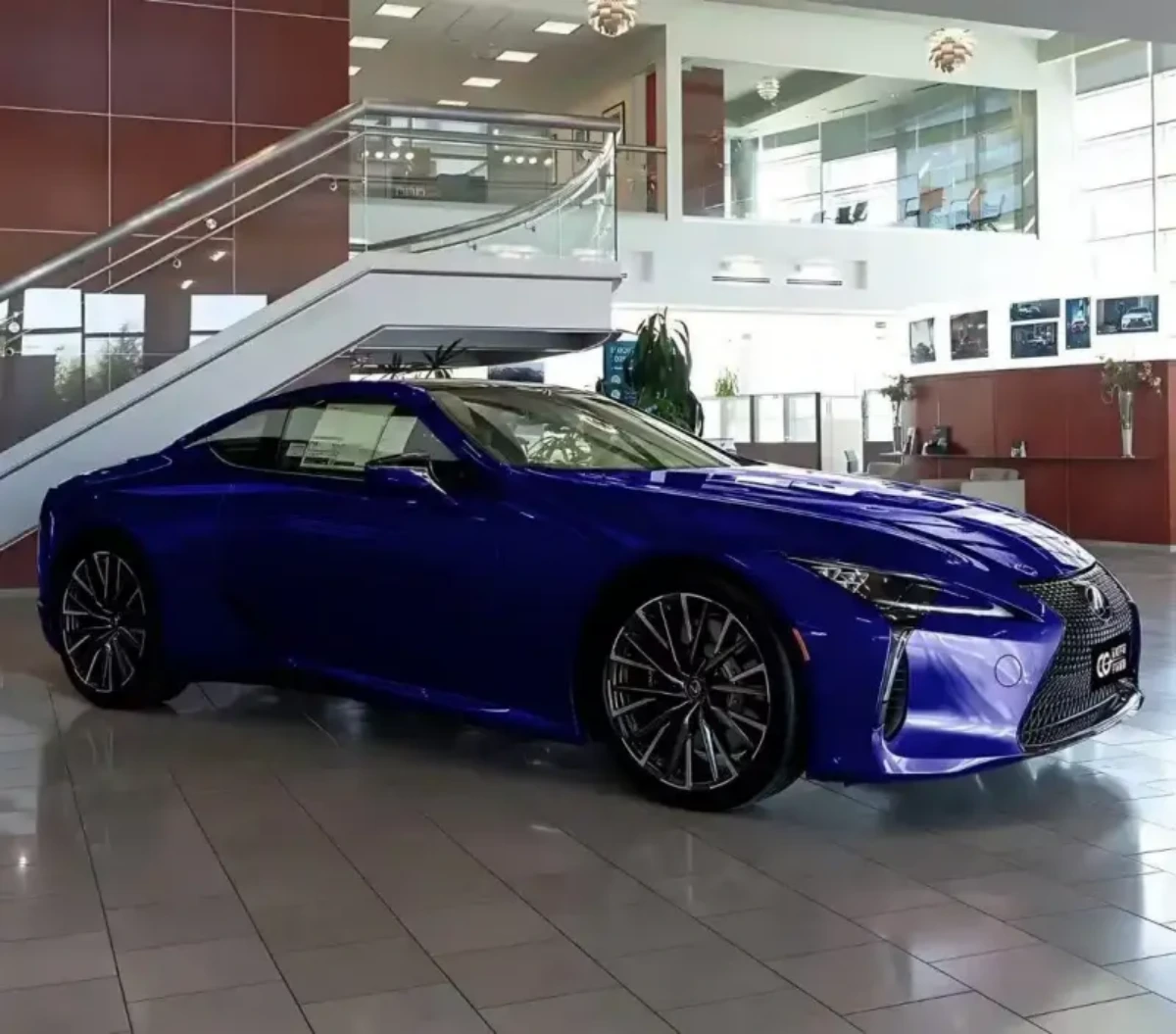
autoli TPU PPF Applied to all brand car models as Lexus、Rolls-Royce、Tesla、Audi.Our factory cooperates with Auto Spa、Car Customization Shop、Auto Detailing、PPF distributor、PPF trading and all so in many countries and regions around the world,like New Zealand,Czech,Ecuador,Ireland,Warranty: 10 years.Our advantages:Strict quality control system;Your Key to Profitable PPF Ventures;Our customers are all over the world;Perfect after-sales service;Collaborate for Lucrative Returns: Source factory.Our factory also provides Vinyl wrapping、TPU PPF、PPF Vinyl Car Wrap.