

PPF’s VOC-free adhesive ensures no toxic fumes, making it safe for enclosed spaces like garages with poor ventilation.,Recyclable TPU material for eco-friendliness.,Bid Farewell to Business Woes: Team with Our Factory’s Versatile PPF.
The product classification and selection logic of PPF:
- Historical Performance Data – Selecting PPF with proven results in third-party durability tests over untested innovations.
- Fleet Uniformity Selection – Choosing consistent PPF formulations for commercial fleets to simplify maintenance and appearance.
- Public Perception Consideration – Choosing invisible PPF over colored variants for professional or fleet vehicles.
- Color Stability Prioritization – Selecting tinted PPF with fade-resistant pigments for color-enhancing applications.
- Vehicle Type Compatibility – Classified for cars, SUVs, trucks, EVs, or classics, with tailored patterns and performance traits.
- Aesthetic Priority Selection – Matching finish type (matte/gloss) to vehicle paint to preserve original appearance.
- Climate Adaptation Logic – Choosing coastal-formulated PPF with anti-corrosion additives for saltwater exposure or cold-flex variants for winter regions.
- Budget-Driven Selection – Prioritizing economy-tier PPF for cost-sensitive buyers, balancing protection with affordability.
- Removability Requirement – Choosing residue-free adhesives for lease vehicles to avoid end-of-term penalties.
- Customization Flexibility – Choosing printable PPF for commercial vehicles requiring brand graphics over paint.
How TPU Redefines PPF:
- Matte Finish Compatibility – TPU’s texture-preserving formulations redefined PPF from gloss-only products to matte-safe films that maintain specialty paint textures.
- Recycled Content Integration – TPU blends with 30% recycled material redefined PPF from virgin-only products to circular economy solutions.
- Eco-Friendly Evolution – Recyclable TPU redefined PPF from single-use plastic waste to circular economy products with end-of-life material recovery.
- High-Speed Protection – TPU’s impact-dispersing properties redefined PPF from urban-use products to highway-ready shields resisting high-velocity rock chips.
- UV Protection Enhancement – TPU infused with UV absorbers redefined PPF from physical protectors to dual-function films preventing paint fading.
- Industrial Versatility – Heavy-duty TPU redefined PPF from automotive-only products to industrial solutions for machinery, boats, and aerospace equipment.
- Lightweight Advantage – TPU’s low density redefined PPF from heavy covers to fuel-efficient options reducing vehicle weight by 1–2kg vs. PVC alternatives.
- Acid Rain Resistance – TPU’s chemical barriers redefined PPF from acid-etching vulnerable films to protective shields in polluted or industrial areas.
The cutting-edge technology research and development of PPF:
- Nano-Composite Barrier Films – Layered double hydroxides (LDHs) in PPF block oxygen and water vapor transmission by 99.9% for food packaging.
- Multifunctional Nanocomposites – Black phosphorus nanosheets in PPF bone cements combine osteogenic activity with photothermal tumor ablation.
- Photocatalytic Self-Cleaning – Titanium dioxide (TiO?) coatings decompose organic contaminants under UV light, reducing manual cleaning needs by 80%.
- Self-Healing Antimicrobial Coatings – Silver-doped microcapsules in PPF combine scratch repair with long-term bacterial inhibition for medical devices.
- Multifunctional Antimicrobial Films – Nano-silver and copper oxide particles in PPF inhibit 99.9% of MRSA and E. coli while maintaining self-healing properties.
- Nano-Ceramic Reinforced PPF – Zirconia and alumina nanoparticles increase PPF hardness to 9H while maintaining 85% transparency.
- Advanced Pilot Film Extrusion – State-of-the-art pilot lines with commercial-grade precision enable defect-free PPF prototyping and rapid material validation, reducing development cycles by 40%.
The materials and technologies of PPF:
- Anti-glare optical optimization: Through coating micro-textures, it reduces mirror reflection glare under direct sunlight, maintaining the visual clarity of the original paint color.
- Warm water activation adhesive: Enables repositioning for up to 24 hours post-installation using only water, reducing reliance on chemicals.
- pH-responsive anti-corrosion layer: Activates protective agents when exposed to acidic environments (e.g., acid rain).
- Color fidelity coating technology: Using spectral-matched coatings, it precisely reflects the light wavelengths of the original vehicle paint, avoiding color differences, brightness deviations, or gloss distortions after film application.
- Extreme UV durability enhancement: Uses dual UV absorbers (organic and inorganic) to maintain 90% of original performance after 10,000 hours of accelerated UV testing.
Say Goodbye to Car Scratches: Self-Healing PPF Revealed!:
- Self-healing PPF reduces the need for expensive “paint correction” services, saving hundreds annually in maintenance.
- Self-healing PPF outperforms “scratch-resistant” claims by actively reversing damage rather than just delaying visible wear.
- Self-healing PPF minimizes “witness marks” from minor collisions, reducing the visual impact until professional repairs are possible.
- Wet conditions don’t delay healing—self-healing PPF repairs scratches even when exposed to rain or humidity.
- Golf club or sports equipment scratches heal, keeping recreational vehicles looking their best for outings.
- Winter scratches from road salt or sand heal once temperatures rise, preventing permanent damage in cold climates.
- Scratches from parking sensors or automatic door closers heal, maintaining a clean look on tech-integrated cars.
- Unlike touch-up paints that create color mismatches, self-healing PPF repairs scratches while preserving your car’s original hue.
- Modern self-healing PPF reduces “micro-marring” that dulls paint over time, keeping finishes brighter longer.
- Healing activates at temperatures as low as 30°C (86°F), making it effective in moderate climates without extreme heat.
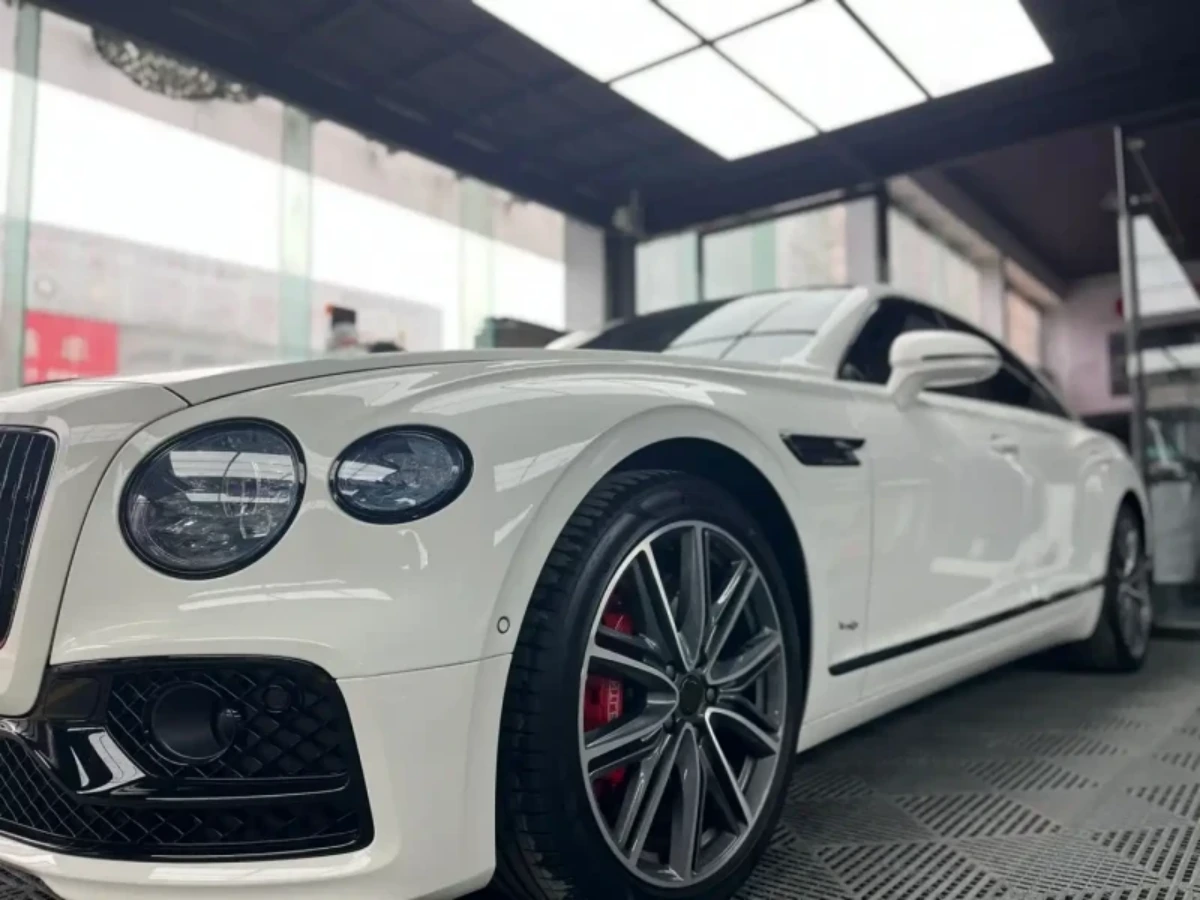
The market trends and industry changes of PPF:
- Personalization Trends in Aesthetics – Demand for matte finishes, colored PPF, and custom textures is surging, with TPU-based films offering UV-resistant, self-healing properties to meet consumer preferences for vehicle customization.
- Water-Based Adhesive Adoption – PPF manufacturers are shifting to water-based adhesives, reducing VOC emissions by 60% to meet EU and California air quality regulations.
- DIY vs. Pro Installation Split – 30% of entry-level PPF sales are DIY kits, while 90% of luxury films require professional installation for warranty validation.
- Aftermarket Warranty Innovations – Lifetime warranties on select PPF products (e.g., Aegis Eternal 400) are becoming standard, reflecting manufacturer confidence in material durability and performance.
- Deep Scratch Self-Healing – Advanced films repair 5μm-deep scratches (vs. 3μm previously) using microcapsule technology, activated by body heat or sunlight.
- ADAS Sensor Compatibility – PPF films with 99.9% LiDAR/radar transparency are becoming standard, ensuring autonomous driving systems function unimpeded post-installation.
The extension of PPF’s functions:
- Before: Rear bumper reflectors with paint chipping around edges; After: PPF covers reflector perimeters, hiding chips and maintaining consistent appearance.
- Before: Door latch striker plates with paint worn from contact; After: PPF lines striker areas, hiding wear and reducing friction between metal and paint.
- Before: Gas cap hinge with rust and paint peeling; After: PPF covers hinge area, hiding rust and preventing moisture from worsening damage.
- Before: Rear tail light wiring harness entry points with paint peeling; After: PPF seals entry points, hiding peeling and preventing water damage to wiring.
- Before: Rear window wiper motor cover with faded paint; After: PPF covers cover, restoring color and protecting against weathering damage.
- Before: Door window trim with peeling black paint; After: PPF’s color-stable film covers trim, restoring uniform appearance and preventing further peeling.
- Before: Roof antenna cable entry point with paint peeling around it; After: PPF seals the entry point, hiding peeling and preventing water intrusion into the cabin.
- Before: Side mirrors with spiderweb cracks from stone impacts; After: PPF application conceals minor cracks and absorbs future impacts, extending mirror life.
- Before: Matte finish dulled by oxidation and fine scratches; After: Matte-specific PPF preserves texture while restoring vibrancy, eliminating “shiny spots” from wear.
The differentiated user group needs matching of PPF:
- SUV Owners – Prefer full-coverage 8–9mil PPF with reinforced wheel arches to protect larger surfaces from off-road debris and parking scrapes.
- Desert Off-Road Racers – Require sand-resistant PPF with anti-abrasion topcoats, preventing paint damage from blowing sand during races.
- Mobile Dental Clinics – Prefer easy-to-clean PPF for interior surfaces, maintaining hygiene standards between patient appointments.
- Antique Fire Truck Collectors – Use reversible PPF that preserves vintage red paint while allowing removal for parade展示和 judging.
- Mobile Library Vans – Prefer child-friendly scratch-resistant PPF, withstanding frequent door slams and book cart impacts during outreach.
- Golf Course Maintenance Vehicles – Choose grass-stain-resistant PPF for lower panels, simplifying cleanup of clippings and fertilizer splatters.
- Motorcycle Fleet Managers – Use pre-cut PPF kits for fuel tanks and fairings to reduce repair costs from rider-induced scratches and road debris.
- Matte Paint Owners – Select matte-specific PPF (20–30% gloss) to preserve texture without altering the factory matte finish or causing shine spots.
- Mobile Business Vans – Select logo-friendly clear PPF to protect brand graphics from road wear while maintaining visibility of company messaging.
- DIY Enthusiasts – Prefer pre-cut PPF kits with air-release adhesives for bubble-free application without professional tools or training.
Why TPU PPF:
- Custom Rafter Spacing – 400mm–600mm spacing options balance shade coverage and material efficiency.
- Global Availability – Manufactured worldwide, ensuring local supply chains and quick delivery.
- Ergonomic Design – Comfortable headroom (minimum 2.2m) for standing and moving underneath.
- Color Matching – Custom color matching to RAL or Pantone codes for brand consistency.
- Heavy-Duty Models – Industrial-grade 80mm×80mm beams for commercial high-traffic areas.
- Sustainable Material – Aluminum is 100% recyclable, with 75% of new aluminum made from recycled content.
- Customizable Sizes – Available in standard (3m×4m) to large (6m×10m) dimensions, with modular designs for expansion.
- Recyclability at End-of-Life – 95% of components can be recycled, reducing landfill waste.
AUTOLI(CN) PPF(Paint Protection Film) factory
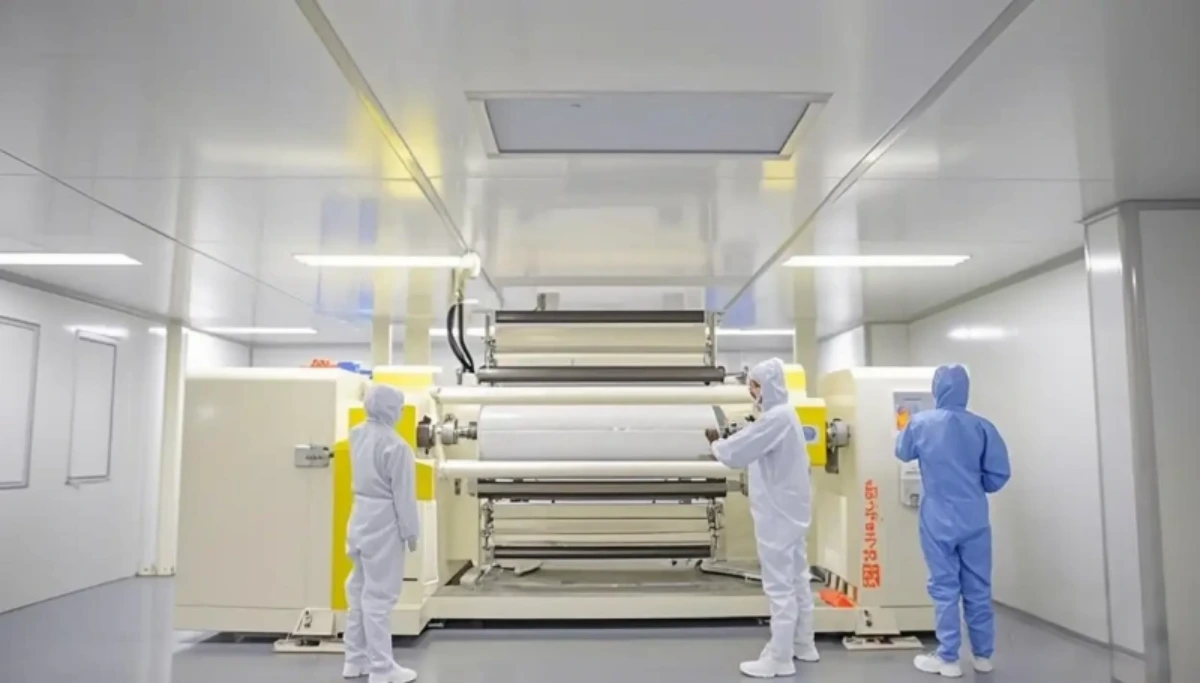
autoli TPU PPF Applied to all brand car models as McLaren、Bugatti、Infiniti、Lincoln、Chrysler.Our factory cooperates with PPF brand、Auto Detailing、PPF trading、PPF wholesale and all so in many countries and regions around the world,like Australia,Paraguay,Holland,SriLanka,Warranty: 10 years.Our advantages:Your Key to Profitable PPF Ventures;Our customers are all over the world;Short production cycle, quick delivery;Perfect after-sales service.Our factory also provides car film、Car Paint Protection Film.