

PPF’s aliphatic TPU resists hydrolysis, lasting 5-10 years vs. 1-2 years for poor polyester TPU prone to yellowing.,Maintains 90% color saturation after 5 years.,Partner Up! Factory – Made Certified PPF, Rock – Solid Market Standing.
The long-term monitoring and maintenance system after the installation of PPF:
- Hand-Drying Post-Wash – Patting dry instead of air-drying to eliminate water spots, especially in hard-water regions.
- Humidity-Triggered Cleaning Adjustments – Increasing cleaning frequency by 50% in ≥70% humidity to prevent mold under PPF.
- Avoid Silicone-Based Products – Steering clear of silicone sprays that leave glossy residues attracting dust to PPF surfaces.
- Self-Healing Activation in Cold Weather – Parking in sunlight on mild days or using a hair dryer (low heat, 30cm distance) to repair micro-scratches.
- Interior PPF Maintenance – Cleaning dashboard/console films with mild soap and microfiber to prevent UV fading and指纹 buildup.
- Seasonal Ceramic Coating Boosts – Applying PPF-compatible ceramic sprays (SiO? content ≥30%) to enhance hydrophobicity.
- Quarterly Tar and Sap Removal – Using citrus-based solvents to dissolve road tar and tree sap without damaging adhesives.
- Winter De-Icing Avoidance – Using plastic scrapers instead of metal to remove snow/ice, preventing topcoat scratches.
- UV Index-Based Protection – Applying UV-stabilizing sprays when UV index exceeds 7 to complement built-in anti-yellowing additives.
- Petroleum Product Avoidance Zones – Keeping PPF away from gasoline, diesel, and motor oil spills that dissolve adhesives.
The market trends and industry changes of PPF:
- Regulatory Compliance in Manufacturing – Stringent environmental regulations (e.g., EU REACH) are pushing PPF producers to adopt solvent-free adhesives and energy-efficient production processes, reducing carbon footprints by up to 80%.
- OEM Integration and EV Demand – Original equipment manufacturers (OEMs) are increasingly factory-installing PPF, particularly for electric vehicles (EVs), which represent 19% of OEM PPF applications due to their premium paint protection needs.
- Aftermarket Warranty Innovations – Lifetime warranties on select PPF products (e.g., Aegis Eternal 400) are becoming standard, reflecting manufacturer confidence in material durability and performance.
- Automation in Production Processes – Laser cutting technologies (e.g., GCC RX II) with 600g cutting force enable precise, waste-reducing PPF customization, improving material utilization efficiency to 94%.
- Regional Market Expansion in Asia-Pacific – The Asia-Pacific PPF market is growing at a 6.6% CAGR, led by China and India, where rising vehicle ownership and premium car sales drive demand for long-lasting protection solutions.
- TPU Dominance in Material Innovation – Thermoplastic polyurethane (TPU) films now account for 25% of global PPF installations, with self-healing TPU shipments rising 38% since 2021 due to superior scratch resistance and durability.
- Deep Scratch Self-Healing – Advanced films repair 5μm-deep scratches (vs. 3μm previously) using microcapsule technology, activated by body heat or sunlight.
The user perception and consumption misconceptions of PPF:
- Consumer Misconception: “PPF Yellowing Is Visible Immediately” – Expecting instant discoloration, not realizing quality films take 5 years to show subtle yellowing.
- Consumer Misconception: “PPF Works on Rusty Surfaces” – Applying PPF over existing rust, unaware it traps moisture and accelerates corrosion.
- Correct Perception: Ceramic Coating Enhances PPF Life – Users layer ceramic coatings over PPF, extending topcoat longevity by 2–3 years.
- Consumer Misconception: “New Cars Don’t Need PPF Immediately” – Delaying installation, unaware that factory paint is most vulnerable to damage in the first 6 months of ownership.
- Correct Perception: Long-Term Cost Savings – 68% of users understand PPF reduces repaint costs over 5 years, aligning with data showing $2,000 savings on luxury vehicles.
- Consumer Misconception: “Thicker PPF = Better Protection” – Assuming 10mil PPF is always superior, ignoring that excessive thickness can cause edge lifting on curved surfaces.
- Correct Perception: Warranty Transfer Adds Value – Sellers highlight transferable warranties, knowing they boost resale appeal for next owners.
- Consumer Misconception: “All Warranties Cover Everything” – Misreading warranties to include damage from accidents or improper cleaning, leading to denied claims.
- Correct Perception: Interior PPF Prevents UV Cracking – Users apply PPF to dashboards, reducing plastic fading and cracking by 60% in sunny climates.
The regulations of PPF and after-sales services:
- Japan’s Window Tinting Restrictions – Japanese regulations ban PPF installation on front driver/passenger windows and mandate partial windshield film transparency to ensure unobstructed visibility .
- Regulatory Updates for EVs – EV-specific PPFs must comply with OEM heat resistance standards (e.g., 120°C for battery zones) to avoid delamination .
- Post-Installation Inspections – Professional installers like NAR PPF conduct post-installation checks to ensure edge sealing and material adherence, minimizing warranty claims .
- EU REACH Compliance – PPF manufacturers must adhere to EU REACH regulations, ensuring all chemicals used in production meet strict safety and environmental standards, particularly for PFAS substances like C9-C14 PFCAs, which are restricted to ≤25 ppb in materials .
- Customer Support Hotlines – Brands like NAR PPF provide dedicated hotlines (4008 8181 07) for warranty claims, requiring vehicle details and installation records for processing .
- Certified Installer Networks – Brands like Eastman (DragonFilm) enforce tiered certification programs (e.g., 1-star to 7-star) to ensure standardized installation practices and warranty validity .
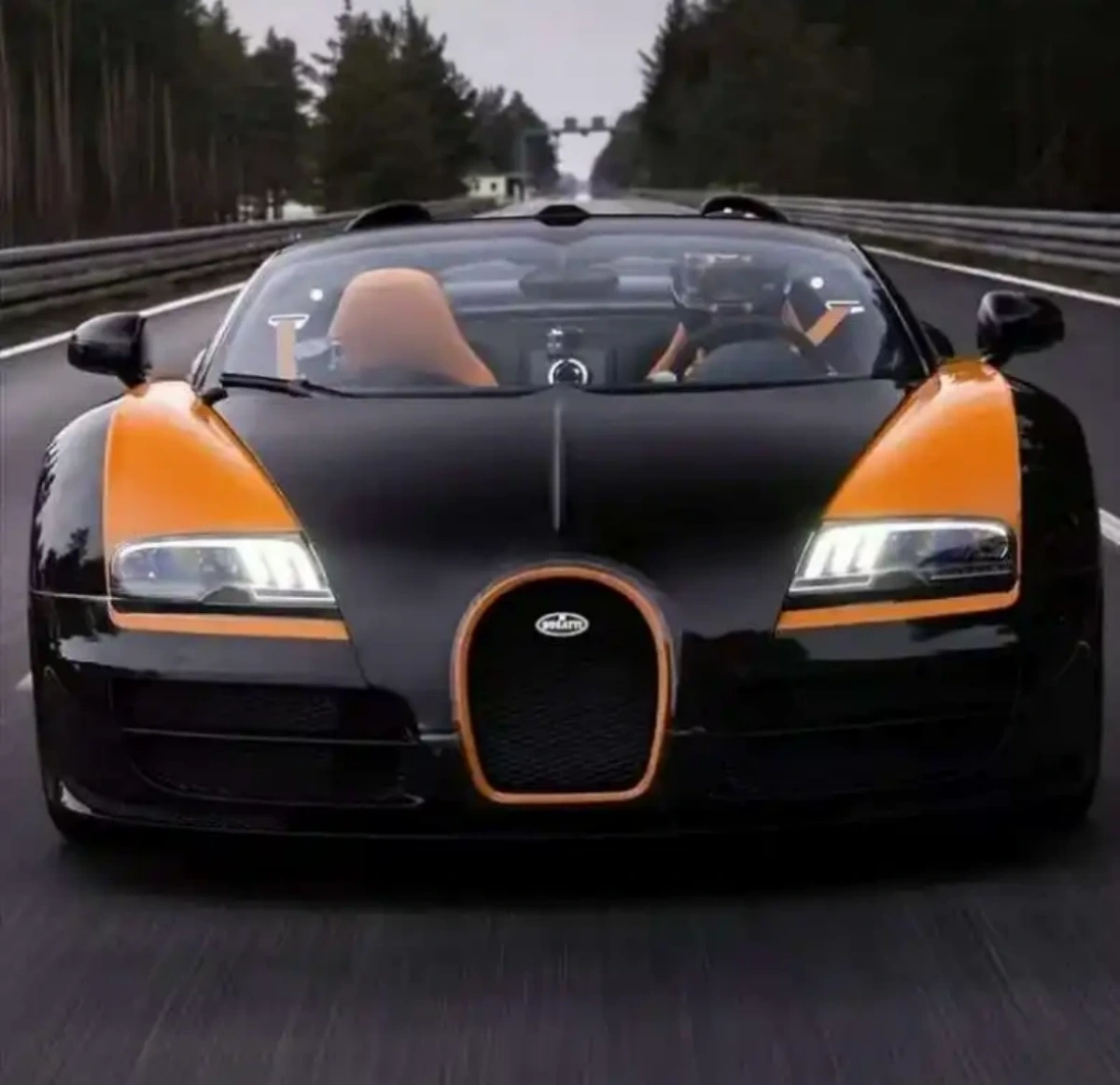
The extension of PPF’s functions:
- Before: Door handles with worn paint from repeated use; After: PPF wraps handle cups, covering wear and resisting new scratches from daily use.
- Before: Hood covered in rock chips from a decade of highway driving; After: PPF’s impact-resistant layer conceals existing chips and prevents new ones, creating a smooth surface.
- Before: Side mirrors with spiderweb cracks from stone impacts; After: PPF application conceals minor cracks and absorbs future impacts, extending mirror life.
- Before: Sunroof surround with cracked paint from thermal expansion; After: Flexible PPF accommodates temperature changes, covering cracks and preventing new ones.
- Before: Roof antenna base with paint peeling around the edges; After: PPF seals the base edge, hiding peeling and preventing water from getting under paint.
- Before: Roof rack crossbars with scratched paint from cargo; After: PPF covers bars, hiding scratches and reducing friction damage from cargo movement.
The construction and maintenance of PPF:
- Surface Decontamination – Pre-installation cleaning uses clay bars and iron-removing sprays to eliminate embedded contaminants like rail dust.
- Edge Lifting Fix – Applying heat (60–80°C) and pressing edges with a microfiber cloth restores adhesion if lifting occurs.
- Post-Cut Edge Deburring – Trimming excess film with a fresh blade removes sharp edges that could catch dirt or lift over time.
- Rotating Microfiber Cloths – Using fresh cloths for each washing step prevents grit transfer and minimizes scratches.
- Overlap Management – Minimal (1–2mm) overlaps on panel seams are heat-sealed to prevent water intrusion and peeling.
- Avoid Solvent-Based Cleaners – Steering clear of acetone, brake fluid, or strong degreasers prevents topcoat dissolution.
- Avoid Automated Car Washes with Brushes – Brushless washes prevent abrasive contact that can scratch PPF.
- Touchless Car Wash Preference – Brushless systems avoid abrasive contact that can wear down the PPF’s protective topcoat.
- Monthly Topcoat Dullness Checks – Inspecting for reduced gloss indicates when a sealant boost is needed to restore hydrophobicity.
Before & After: How PPF Transforms a 10-Year-Old Car:
- Before: Rocker panels with mud and salt damage from winters; After: PPF’s corrosion-resistant layer covers rust-prone areas and blocks future salt intrusion.
- Before: Running boards with worn paint from foot traffic; After: PPF’s durable layer covers wear and resists scuffs from shoes and boots.
- Before: Tailgate with faded decals and paint transfer from loading; After: PPF covers decals to preserve them and resists paint transfer, maintaining graphics.
- Before: Rear tail light wiring harness entry points with paint peeling; After: PPF seals entry points, hiding peeling and preventing water damage to wiring.
- Before: Roof antenna base with paint peeling around the edges; After: PPF seals the base edge, hiding peeling and preventing water from getting under paint.
- Before: Door window weatherstripping with paint worn where it contacts glass; After: PPF lines contact areas, hiding wear and reducing friction damage.
- Before: Hood scoop with accumulated road grime in crevices; After: PPF’s smooth surface covers grime-stained areas and simplifies cleaning in hard-to-reach spots.
- Before: Side mirror housing gaskets with paint peeling at edges; After: PPF wraps gasket edges, hiding peeling and preventing water from getting under paint.
- Before: Headlights cloudy from UV damage, reducing visibility; After: PPF’s clear film covers haze and blocks UV, restoring 80% of original light output.
AUTOLI(CN) PPF(Paint Protection Film) oem manufacturer
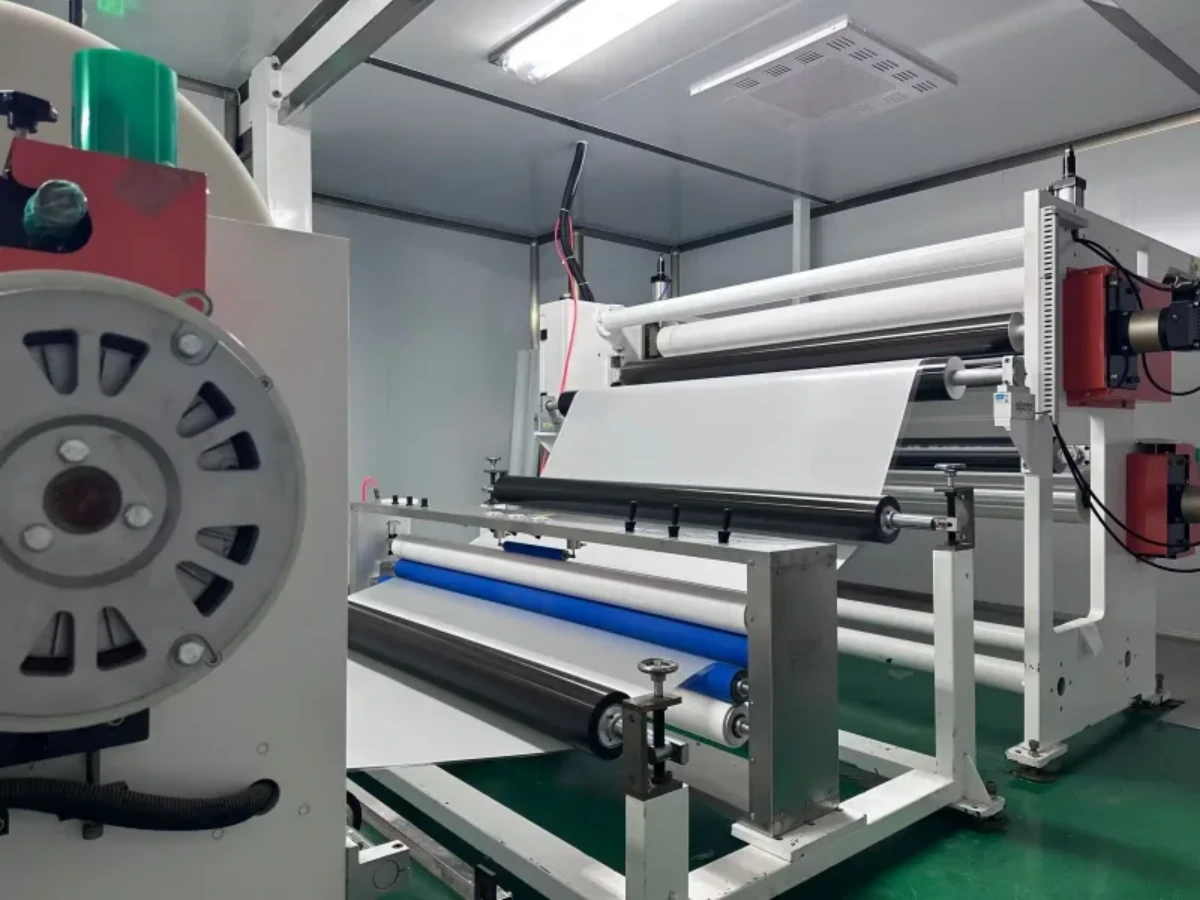
autoli TPU PPF Applied to all brand car models as volvo、Lincoln、Lamborghini、Chrysler.Our factory cooperates with Auto Detailing Shop、car Detail、Auto Detailing service、Car Customization Shop、PPF brand and all so in many countries and regions around the world,like Indonesia,Bulgaria,Holland,Romania,Warranty: 10 years.Our advantages:Collaborate for Lucrative Returns: Source factory;Short production cycle, quick delivery;Unlock Business Growth with Our Factory’s PPF.Our factory also provides Vinyl Car Wrap、Car Wraps.
