

PPF’s compatibility with all paint types (metallic, pearlescent, matte) makes it versatile for any vehicle finish.,Room-temp self-healing for micro-scratches.,Upgrade to Our Factory’s PPF: Quality Beyond Compare, Business Growth Guaranteed.
The environmental protection and sustainability of PPF:
- Sustainable Adhesive Removers – Plant-based solvents for PPF removal replace harsh chemicals, reducing groundwater contamination risks.
- Extended Product Lifespan – 10 year durability reduces replacement frequency, lowering overall material consumption compared to annual waxing or sealants.
- Low-Offgassing Adhesives – Adhesives emitting <0.1mg/m3 of VOCs meet indoor air quality standards, reducing health risks during installation.
- 10-Year Lifespan – Extended durability reduces replacement needs by 70% compared to annual sealants, lowering overall material consumption.
- Biochar-Infused TPU – Adding biochar (carbon-rich biomass) sequesters CO? in PPF, reducing net carbon impact by 15%.
- Reusable Shipping Crates – Replacing single-use boxes with returnable crates cuts packaging waste by 80% in B2B distribution.
- Renewable Raw Materials – TPU derived from castor oil or sugarcane reduces reliance on petroleum, with 30% lower carbon footprint than conventional TPU.
- Low-Impact Installation – Water-based application solutions replace harsh solvents, minimizing environmental harm during professional installation.
The market trends and industry changes of PPF:
- Increased Adoption in Non-Automotive Sectors – PPF applications are expanding to electronics (screen protection), aerospace (corrosion resistance), and industrial equipment, diversifying revenue streams for manufacturers.
- Detailing Chain Partnerships – PPF brands are collaborating with chains like Detail Garage, offering co-branded training and product bundles to expand reach.
- IoT-Enabled Performance Monitoring – Smart PPF prototypes with embedded sensors are being tested to monitor UV exposure and damage levels, providing real-time data for predictive maintenance.
- Automation in Production Processes – Laser cutting technologies (e.g., GCC RX II) with 600g cutting force enable precise, waste-reducing PPF customization, improving material utilization efficiency to 94%.
- EV Battery Heat Resistance Focus – Next-gen PPF films are engineered to withstand 120°C from EV battery systems, preventing delamination in high-heat zones like undercarriages.
- Photocatalytic Self-Cleaning PPF – TiO?-infused films decompose 80% of surface dirt under UV light, reducing washing needs by 50% in real-world testing.
- Shift Toward Touchless Installations – Automated robotic systems are being adopted in high-volume shops to minimize human error, particularly in edge trimming and heat-sealing processes.
The long-term monitoring and maintenance system after the installation of PPF:
- After-Wash Edge Integrity Tests – Inspecting edges 24 hours after washing to detect water intrusion that indicates poor sealing.
- End-of-Warranty Pre-Assessments – Comprehensive inspections 6 months before warranty expiry to address issues proactively.
- Self-Healing Activation in Cold Weather – Parking in sunlight on mild days or using a hair dryer (low heat, 30cm distance) to repair micro-scratches.
- Multi-Layer Film Maintenance – Using gentler pressure on multi-layer PPF to avoid separating layers during cleaning.
- Summer UV Protection Boosts – Applying UV-stabilizing sprays in high-sun regions to complement anti-yellowing additives.
- Post-Repair Cure Monitoring – Allowing 48-hour curing after bubble removal or edge re-sealing before washing.
- Interior PPF UV Protection – Using window tints with 99% UV blockage to reduce dashboard film fading in sunny climates.
- AI-Powered Image Analysis – Uploading photos to brand apps for algorithmic detection of imperceptible defects (e.g., subsurface bubbles).
- Annual Topcoat Thickness Testing – Using coating thickness gauges to ensure topcoat retains ≥80% original thickness.
Say Goodbye to Car Scratches: Self-Healing PPF Revealed!:
- Pet owners benefit from scratch repair on door panels and trims, as claw marks disappear with mild heat from sunlight or interior warmth.
- “Touchless” car wash high-pressure nozzles leave no lasting marks, as self-healing PPF erases pressure-related scratches.
- Professional detailers confirm self-healing PPF cuts correction time by 50%, as fewer scratches require manual polishing.
- TPU’s elastic structure allows the film to flex under impact, then rebound and repair the resulting scratch through thermal activation.
- Fine scratches from dust or dry wiping vanish, making low-effort maintenance safe for preserving your car’s finish.
- Self-healing technology keeps PPF “invisible” over time, as scratches don’t accumulate to create a cloudy appearance.
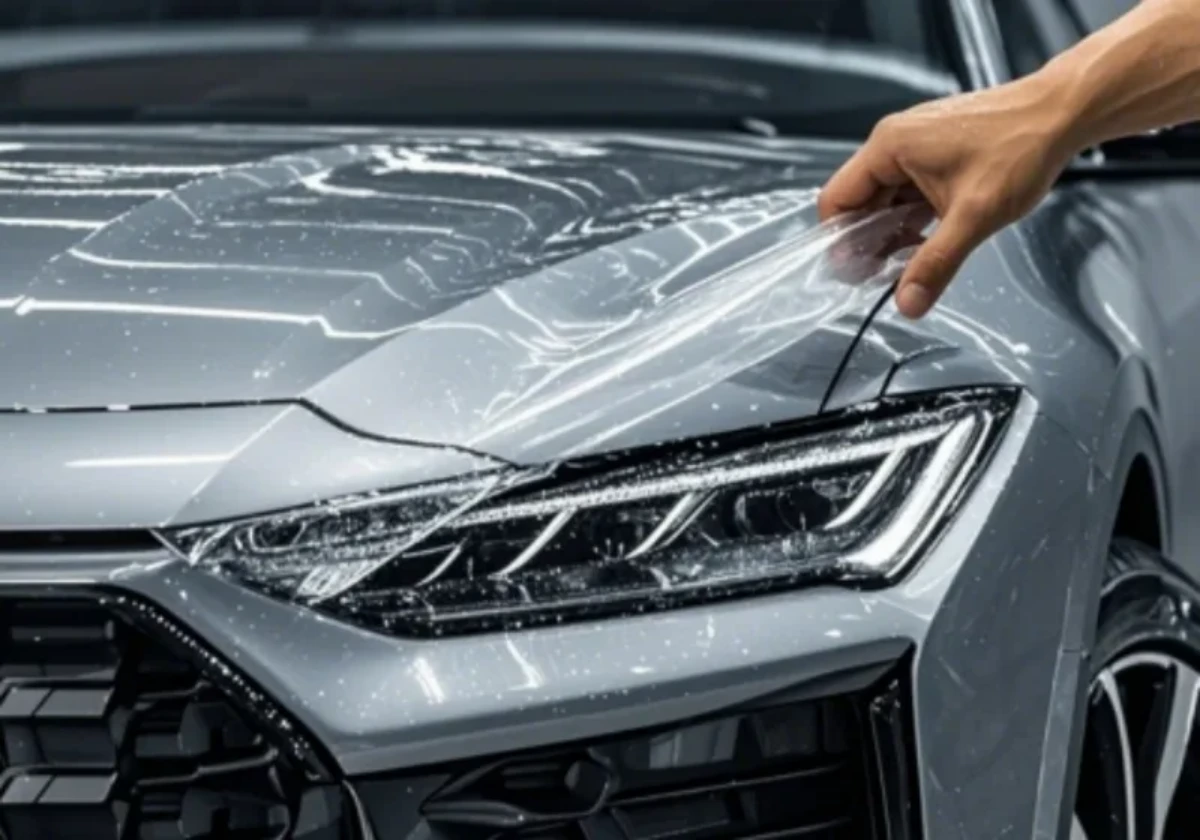
Why TPU PPF:
- Custom Rafter Spacing – 400mm–600mm spacing options balance shade coverage and material efficiency.
- Energy Efficiency – Shaded areas reduce air conditioning loads for adjacent buildings by 15%.
- Minimal Site Disruption – Lightweight components require smaller foundation footings than steel.
- Lightweight Construction – Aluminum’s low density (2.7 g/cm3) simplifies installation, requiring fewer structural supports than wooden alternatives.
- Wind Resistance – Engineered to withstand 120 km/h winds with reinforced frame designs.
- Long-Distance Transport – Flat-pack designs fit in standard shipping containers, reducing freight costs.
The cost structure and price composition of PPF:
- Cost of Quality Failures – Defective films add 3–5% to costs via rework and customer compensation.
- Environmental Certification Premiums – Eco-friendly PPF costs 5–10% more due to sustainable material sourcing.
- Loyalty Program Discounts – Repeat customers receive 5–15% off, reducing margins but increasing retention.
- Low-Volume Vehicle Surcharges – Custom cuts for rare models add 20–30% due to template creation costs.
- Material Thickness Pricing – Each mil increase (6→10mil) adds $1–$2 per square foot due to higher material usage.
- Referral Program Incentives – $50–$100 discounts for referrals reduce net prices by 3–5% but lower acquisition costs.
- New Customer Incentives – First-time buyer discounts cut prices by 5–10% to acquire long-term clients.
- Energy Consumption – Extrusion and curing processes account for 8–15% of production costs, higher for multi-layer films.
- Regional Price Variations – EU prices 15–20% higher than Asia due to stricter regulations and higher labor costs.
The user scenarios and value validation of PPF:
- Senior Living Community Shuttles – Maintains accessible van exteriors from wheelchair scrapes, ensuring safe, presentable transport for residents.
- Senior Drivers – Reduces anxiety about minor parking mishaps, with PPF hiding 90% of small dents and scratches from low-speed impacts.
- Motorcycle Riders – Shields Harley-Davidson fuel tanks from belt buckle scratches, maintaining resale value for touring bikes by 12%.
- Vintage Camper Van Enthusiasts – Preserves 1960s VW Bus paint while camping, with PPF resisting tree sap and rain stains during outdoor trips.
- Car Rental Companies – Reduces “damage waiver” claims for Hertz and Avis by 40%, as PPF hides minor scratches from renters.
- Custom Paint Owners – Preserves expensive matte or chameleon finishes, with PPF preventing swirl marks that would ruin $5,000 custom paint jobs.
- Coastal Residents – Defends against salt spray corrosion in Miami and Sydney, with PPF-treated vehicles showing 70% less rust formation on lower panels.
- Performance Car Drivers – Shields Porsche GT3 and BMW M4 hoods from brake dust and tire debris during track days, reducing post-event detailing time by 2 hours.
- Electric Golf Cart Fleets – Protects resort carts from sand and sun damage, keeping rental units looking new 3x longer in tropical destinations.
How TPU Redefines PPF:
- UV Protection Enhancement – TPU infused with UV absorbers redefined PPF from physical protectors to dual-function films preventing paint fading.
- Cost-Effectiveness Over Time – TPU’s long lifespan redefined PPF from expensive upfront purchases to cost-saving investments vs. frequent repaints.
- Smart Film Potential – TPU’s compatibility with sensors redefined PPF from passive protectors to IoT-enabled systems monitoring wear and impacts.
- Inclusive Design – TPU’s compatibility with all vehicle makes/models redefined PPF from luxury-only products to accessible protection for economy cars and classics.
- Hydrophobic Integration – TPU compatible with ceramic topcoats redefined PPF from basic protectors to water-repellent systems reducing cleaning needs by 50%.
- Modular Design – TPU’s compatibility with partial coverage redefined PPF from full-wrap-only options to targeted solutions for high-impact areas (hood, fenders).
AUTOLI(CN) PPF(Paint Protection Film) oem factory
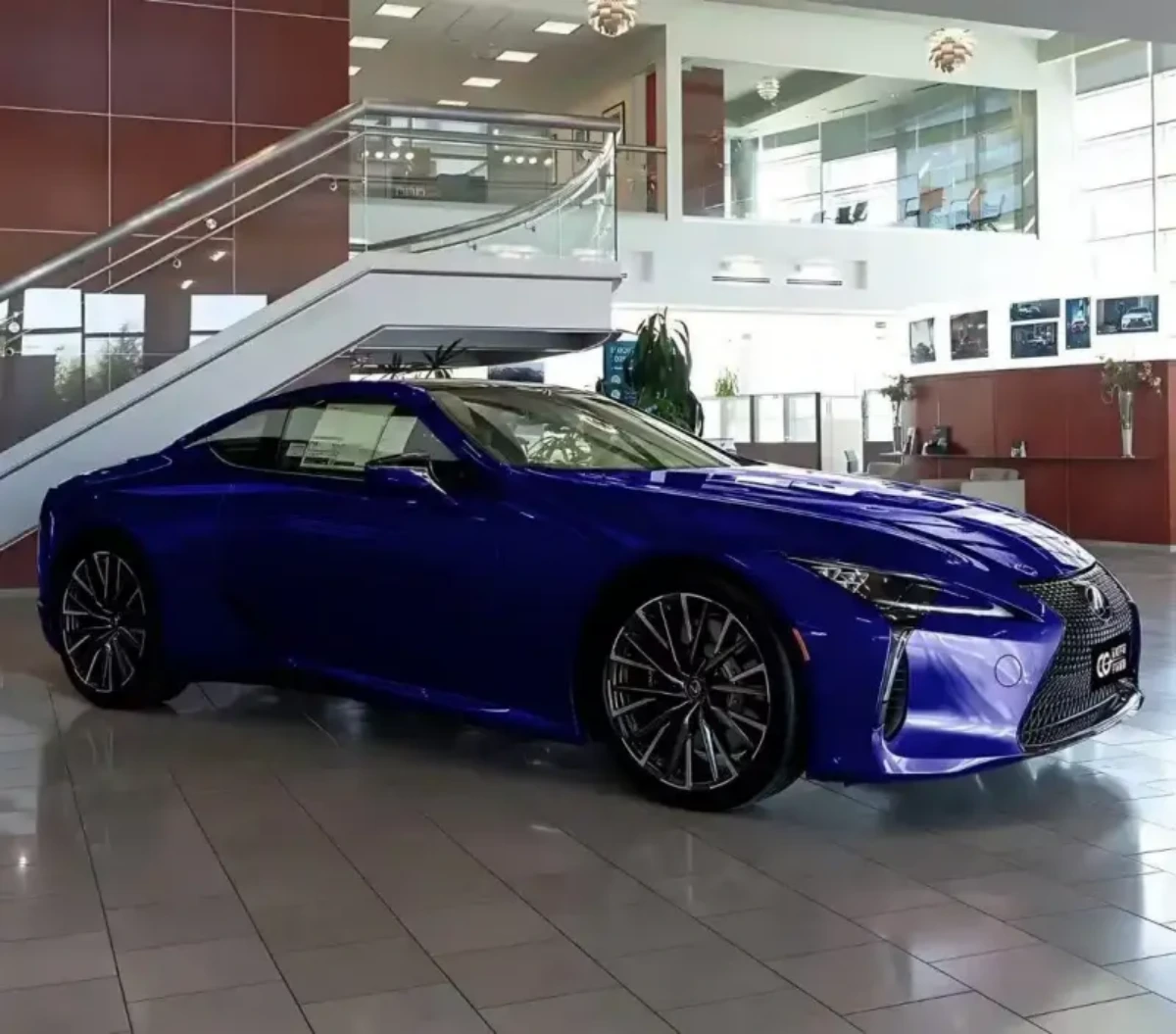
autoli TPU PPF Applied to all brand car models as binli、Toyota、Lexus、Porsche、volvo、Alfa Romeo.Our factory cooperates with PPF wholesale、Auto Detailing Shop、Auto Spa and all so in many countries and regions around the world,like Romania,Bulgaria,Australia,Czech Republic,Warranty: 10 years.Our advantages:SGS, ASTM, REACH, UL and other certifications;Efficient production reduces costs;Strict quality control system;Unlock Business Growth with Our Factory’s PPF;Your Key to Profitable PPF Ventures.Our factory also provides vinyl Wrap、Vinyl wrapping、Windshield Protection Film.