

PPF’s transparency doesn’t affect paint color perception, critical for color-matching in case of partial repaints.,Enhances paint depth with low haze (<1.5%).,Factory – Based Partnership: Stylish PPF, Faster Market Entry.
The materials and technologies of PPF:
- Dynamic impact dispersion technology: Integrates micro-elastic buffers within the TPU matrix to分散 and absorb impact energy from high-speed debris, reducing paint indentation risk by over 60%.
- Solvent-free adhesive process: The adhesive uses a 100% solvent-free pressure-sensitive adhesive formula, eliminating the risk of solvent evaporation residue and enhancing the environmental friendliness and long-term adhesion stability of the construction.
- Anti-chemical corrosion technology: Incorporating acid and alkali resistant components to resist erosion from substances like acid rain, bird droppings, and tree sap, protecting the vehicle paint from chemical damage.
- High-humidity stability: Incorporates water-resistant crosslinkers to prevent delamination in tropical climates.
- Matte finish technology: Achieves 20-30° gloss levels with a velvet-like texture, ideal for luxury vehicles and matte paint protection.
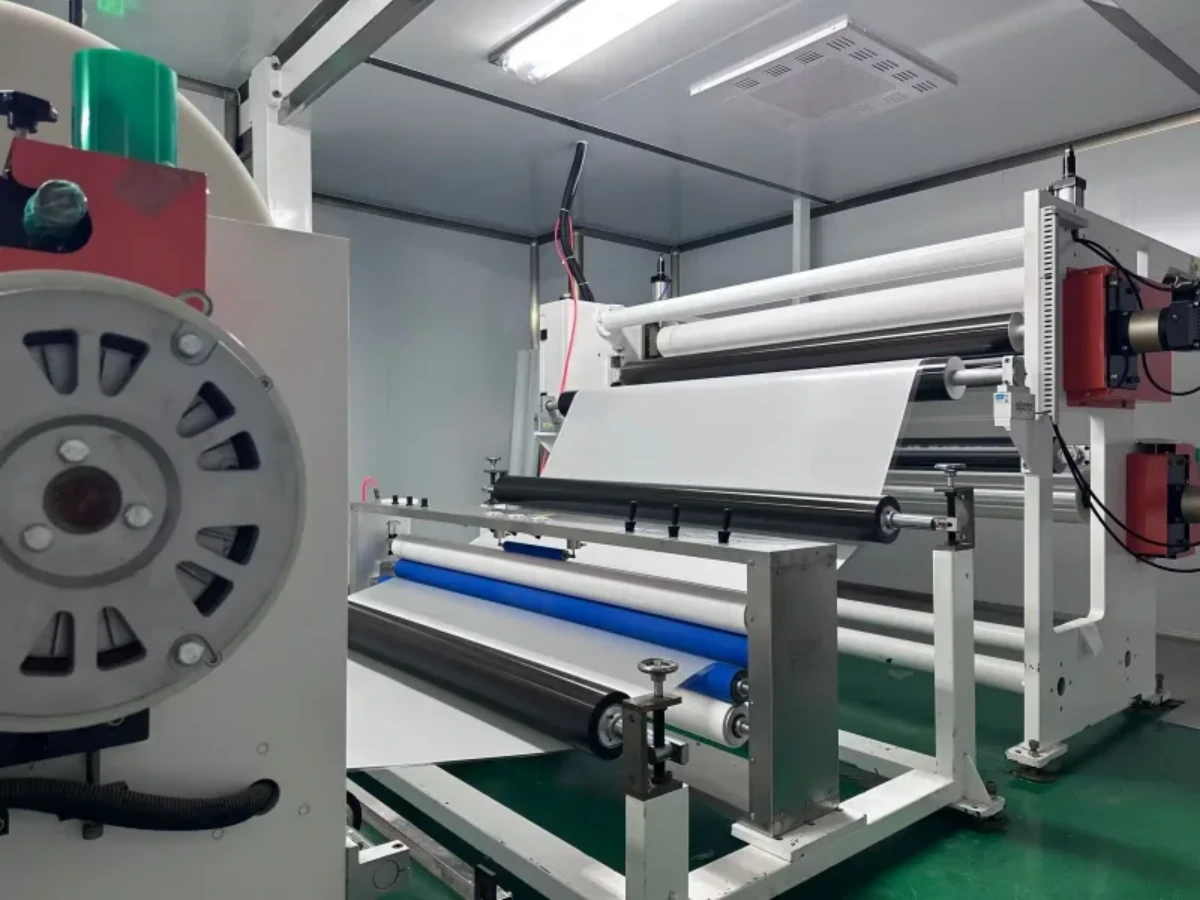
The production supply chain and quality control system of PPF:
- Calibration Schedules – Regular verification of testing equipment (gages, spectrometers) to ensure measurement accuracy.
- FIFO Inventory Rotation – First-in, first-out storage to ensure PPF rolls are shipped within optimal shelf life (12–18 months).
- Strategic Stockpiles – 3–6 month reserves of critical materials during high-demand periods or supply chain disruptions.
- Waste Management Partnerships – Collaboration with recycling firms to process production scrap into secondary TPU materials.
- Lean Manufacturing Practices – 5S and waste reduction initiatives improving consistency and reducing defects.
- Finished Goods Warehousing – Regional distribution centers with climate control (20–25°C) to preserve adhesive quality.
- Material Innovation Collaboration – Joint R&D with suppliers for next-gen TPU formulations (e.g., bio-based, high-heat resistant).
- Thickness Gauging – Laser sensors measuring film thickness every 0.5 seconds, ensuring ±0.1mil tolerance.
- Statistical Process Control (SPC) – Real-time monitoring of extrusion parameters with control charts to maintain CpK ≥ 1.33.
The product classification and selection logic of PPF:
- Climate-Specific Formulations – Categorized for tropical, cold, coastal, or desert climates, with additives addressing regional challenges.
- Multi-Surface Compatibility – Selecting PPF safe for paint, plastic, and chrome to enable full-vehicle protection with one product.
- Damage Risk Evaluation – Upgrading to impact-resistant PPF for off-road vehicles or high-debris work environments.
- Chemical Exposure Risk – Upgrading to solvent-resistant PPF for service vehicles exposed to fuels or industrial chemicals.
- Warranty Claim Ease – Choosing brands with digital warranty systems for streamlined claims processing.
- Fleet Uniformity Selection – Choosing consistent PPF formulations for commercial fleets to simplify maintenance and appearance.
- Vehicle Type Compatibility – Classified for cars, SUVs, trucks, EVs, or classics, with tailored patterns and performance traits.
- Resale Value Protection – Investing in premium PPF for high-value vehicles to maintain paint condition for resale.
- Eco-Friendly Segmentation – Grouped as petroleum-based, bio-based, or recyclable PPF to align with sustainability priorities.
- Cleaning Compatibility Logic – Choosing PPF compatible with automated car washes for owners using convenience services.
The product classification and selection logic of PPF:
- Climate-Specific Formulations – Categorized for tropical, cold, coastal, or desert climates, with additives addressing regional challenges.
- Multi-Surface Compatibility – Selecting PPF safe for paint, plastic, and chrome to enable full-vehicle protection with one product.
- Damage Risk Evaluation – Upgrading to impact-resistant PPF for off-road vehicles or high-debris work environments.
- Chemical Exposure Risk – Upgrading to solvent-resistant PPF for service vehicles exposed to fuels or industrial chemicals.
- Warranty Claim Ease – Choosing brands with digital warranty systems for streamlined claims processing.
- Fleet Uniformity Selection – Choosing consistent PPF formulations for commercial fleets to simplify maintenance and appearance.
- Vehicle Type Compatibility – Classified for cars, SUVs, trucks, EVs, or classics, with tailored patterns and performance traits.
- Resale Value Protection – Investing in premium PPF for high-value vehicles to maintain paint condition for resale.
- Eco-Friendly Segmentation – Grouped as petroleum-based, bio-based, or recyclable PPF to align with sustainability priorities.
- Cleaning Compatibility Logic – Choosing PPF compatible with automated car washes for owners using convenience services.
Why TPU PPF:
- Anti-Slip Flooring Support – Structurally sound for stone, wood, or composite decking installations.
- Drought Resistance – Requires no water for maintenance, unlike wooden pergolas needing periodic sealing.
- Rust-Free Hardware – Stainless steel fasteners prevent corrosion at connection points.
- Snow Load Capacity – Reinforced beams support 20–30 kg/m2 snow loads in cold climates.
- Aesthetic Versatility – Can mimic wood grain via powder coating for traditional looks with modern durability.
- Low Wind Load Impact – Aerodynamic designs reduce wind resistance compared to solid-roof structures.
- Transport Efficiency – Lightweight components reduce shipping costs by 40% vs. steel structures.
- Sloped Roof Compatibility – Adaptable to single-pitch or gable designs for water runoff in rainy regions.
- Resale Value Boost – Adds outdoor living space appeal, increasing home value by 3–5%.
The differentiated user group needs matching of PPF:
- Performance Car Owners – Choose ceramic-infused PPF for enhanced hydrophobicity and heat dissipation, reducing brake dust adhesion on hoods and fenders.
- Senior Drivers – Prefer easy-maintenance PPF with hydrophobic properties to reduce washing frequency and hide minor parking mishaps.
- Eco-Conscious Users – Select bio-based, biodegradable PPF made from plant-derived TPU to align with sustainability goals and reduce environmental impact.
- Mobile Science Lab Vans – Prefer chemical-resistant PPF for interior and exterior surfaces, withstanding spills and equipment movement during demonstrations.
- Vintage Camper Van Owners – Opt for heat-reflective PPF on roofs to reduce interior temperatures, while protecting paint from tree sap and rain.
- Park Ranger Vehicles – Choose camouflage-matched PPF that blends with natural environments while protecting paint from brush and wildlife impacts.
- High-Mileage Highway Drivers – Need stone chip-resistant PPF with thick top layers to absorb impacts from high-speed road debris on highways.
- Budget-Conscious Commuters – Opt for 6–7mil single-layer PPF with basic self-healing to balance protection and affordability for daily use.
- Wildlife Research Vehicles – Choose low-gloss PPF that reduces vehicle visibility to animals, while protecting paint from brush and mud in remote areas.
The cutting-edge technology research and development of PPF:
- Shape Memory Polymers – 4D-printed PPF star polymers with tunable glass transition temperatures recover 95% of original shape after deformation.
- Antistatic Coatings – Graphene nanoplatelets integrated into topcoats dissipate static charge, preventing dust accumulation in industrial environments.
- Bio-Based TPU – Algae-derived and waste cooking oil-based TPU reduces carbon footprint by 70% compared to petroleum-based alternatives.
- Bio-Based Flame Retardants – Chitosan-functionalized ammonium polyphosphate (CS-APP) and phenylphosphonic difurfurylamine (PPDF) provide V-0 rating in UL 94 tests with <1% loading.
- Bio-Based Adhesives – Plant-derived lignin and starch-based adhesives replace petroleum-based alternatives, achieving 100% biodegradability.
- Nanocellulose Reinforcement – Cellulose nanofibers from wood pulp improve PPF toughness by 200% while maintaining biodegradability.
The production supply chain and quality control system of PPF:
- Calibration Schedules – Regular verification of testing equipment (gages, spectrometers) to ensure measurement accuracy.
- FIFO Inventory Rotation – First-in, first-out storage to ensure PPF rolls are shipped within optimal shelf life (12–18 months).
- Strategic Stockpiles – 3–6 month reserves of critical materials during high-demand periods or supply chain disruptions.
- Waste Management Partnerships – Collaboration with recycling firms to process production scrap into secondary TPU materials.
- Lean Manufacturing Practices – 5S and waste reduction initiatives improving consistency and reducing defects.
- Finished Goods Warehousing – Regional distribution centers with climate control (20–25°C) to preserve adhesive quality.
- Material Innovation Collaboration – Joint R&D with suppliers for next-gen TPU formulations (e.g., bio-based, high-heat resistant).
- Thickness Gauging – Laser sensors measuring film thickness every 0.5 seconds, ensuring ±0.1mil tolerance.
- Statistical Process Control (SPC) – Real-time monitoring of extrusion parameters with control charts to maintain CpK ≥ 1.33.
AUTOLI(CN) PPF(Paint Protection Film) oem factory

autoli TPU PPF Applied to all brand car models as jeep、Ferrari、Maserati、Porsche.Our factory cooperates with Auto Repair Center、Car Customization Shop、PPF distributor、Auto Spa and all so in many countries and regions around the world,like Brazil,Iran,Czech Republic,Venezuela,Iraq,England,Warranty: 10 years.Our advantages:Large stock of styles for you to choose from;Our customers are all over the world;Short production cycle, quick delivery;Strict quality control system;Efficient production reduces costs.Our factory also provides Car PPF、carwraps、Window Film.