

PPF’s seamless wrapping covers edge gaps, preventing water/ dirt ingress that causes paint peeling under traditional protection.,Reduces wash frequency to 4-6 weeks.,Partner with Our Factory: PPF – Driven Profit Growth, Step – by – Step.
The differentiated user group needs matching of PPF:
- Mobile Veterinary Clinics – Require antimicrobial PPF for interior surfaces, inhibiting bacteria growth from animal interactions.
- Performance Car Owners – Choose ceramic-infused PPF for enhanced hydrophobicity and heat dissipation, reducing brake dust adhesion on hoods and fenders.
- Drag Racing Vehicles – Require heat-resistant PPF for wheel wells and undercarriages, withstanding high temperatures from tire friction and exhaust.
- Ambulance Fleets – Need chemical-resistant PPF to withstand disinfectant exposure, maintaining markings and paint integrity during emergencies.
- Mobile Pet Grooming Vans – Select water-resistant PPF for exteriors, simplifying cleanup of pet hair, water, and grooming product splatters.
- Classic Car Collectors – Opt for low-tack, reversible PPF that preserves original paint while allowing removal for concours events and inspections.
- Vintage Motorcycle Ralliers – Prefer UV-stabilized PPF for fuel tanks, preventing paint fading during long-distance rides in direct sunlight.
- Mobile Farmers Market Vans – Need produce-safe PPF that resists fruit/vegetable juice stains, maintaining clean exteriors during market days.
- Electric Scooter Fleets – Use ultra-thin 5mil PPF for lightweight protection, shielding plastic bodies from urban curb impacts and weathering.
The protective performance of PPF:
- **Chip and Dent Deterrence** – By acting as a buffer, PPF helps deter chips and small dents from forming on the vehicle’s bodywork caused by flying debris on the highway.
- **Resistance to Tree Sap Staining** – Tree sap can be a nuisance as it often leaves sticky and staining marks. PPF resists the adhesion of tree sap and makes its removal much simpler.
- Gasoline Spill Resistance – Withstands accidental fuel spills without swelling or discoloration, crucial for fuel-efficient vehicles.
- **Anti – Abrasion in Car Washes** – Protects the paint from the abrasion caused by automatic car wash brushes, ensuring that the paint finish remains smooth and unblemished.
- Gloss Enhancement Technology – Optical-grade clarity amplifies paint depth, creating a showroom finish without additional waxing.
- Chemical Resistance – Resists damage from acids, oils, solvents, and corrosive substances like road salt and industrial pollutants.
The cutting-edge technology research and development of PPF:
- Bio-Based Flame Retardant Coatings – Chitosan and ammonium polyphosphate composites provide V-0 rating in UL 94 tests with <1% loading.
- Self-Healing Antimicrobial Coatings – Silver-doped microcapsules in PPF combine scratch repair with long-term bacterial inhibition for medical devices.
- Nano-Structured Anti-Graffiti Coatings – Superhydrophobic and oleophobic surfaces repel spray paint, allowing easy removal with water rinsing.
- Nanocellulose Reinforcement – Cellulose nanofibers from wood pulp improve PPF toughness by 200% while maintaining biodegradability.
- Bio-Based Antioxidants – Rosemary extract and tocopherol derivatives replace synthetic stabilizers, extending PPF lifespan by 30% in UV exposure.
- Nano-Ceramic Coatings – Nano-ceramic-infused topcoats enhance scratch resistance by 300% while maintaining hydrophobicity and UV stability, ideal for extreme climates.
TPU PPF VS PET PPF:
- Petroleum Dependency – TPU PPF offers 30% bio-based options, while PET PPF remains 100% petroleum-derived with no sustainable alternatives.
- Impact Indication – Some TPU PPF uses color-changing layers to show hidden damage, a feature unavailable in PET PPF.
- Self-Healing Capability – TPU PPF repairs 3μm scratches via heat activation, whereas PET PPF lacks self-healing, requiring replacement for even minor damage.
- Surface Preparation – TPU PPF requires minimal paint correction, while PET PPF amplifies existing swirl marks due to lower flexibility.
- Long-Term Adhesion – TPU PPF maintains 90% adhesion after 7 years, while PET PPF’s adhesion drops to 50% after 4 years.
- Eco-Friendliness – TPU PPF is 100% recyclable, while PET PPF’s adhesive layers complicate recycling, resulting in 60% lower recovery rates.
- Storm Resilience – TPU PPF withstands hailstones up to 12mm, whereas PET PPF cracks under 8mm hail impacts.
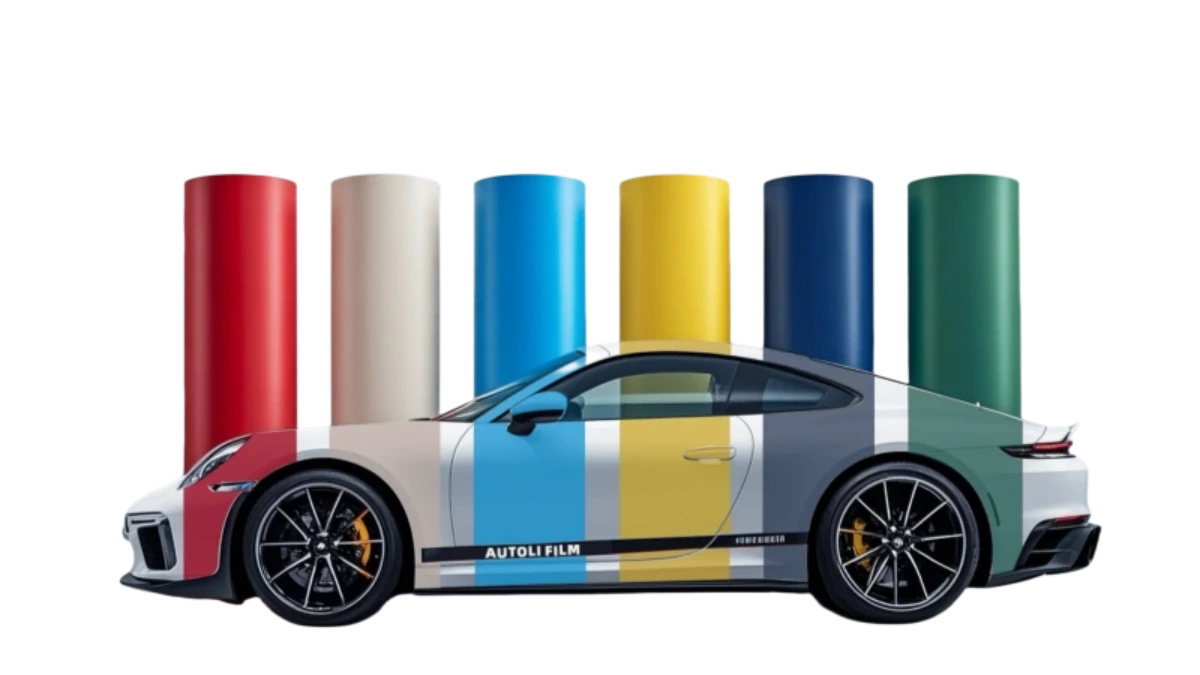
The production supply chain and quality control system of PPF:
- FIFO Inventory Rotation – First-in, first-out storage to ensure PPF rolls are shipped within optimal shelf life (12–18 months).
- Continuous Improvement Teams – Cross-functional groups analyzing quality data to implement process enhancements.
- Maintenance Parts Logistics – Localized inventory of extrusion die parts and coating rollers to minimize downtime.
- Dealer Inventory Management – Cloud-based systems tracking installer stock levels to trigger automatic reorders.
- Reverse Logistics – Systems for returning defective rolls, with sorting centers identifying repairable vs. recyclable materials.
Why TPU PPF:
- Energy Efficiency – Shaded areas reduce air conditioning loads for adjacent buildings by 15%.
- Long-Distance Transport – Flat-pack designs fit in standard shipping containers, reducing freight costs.
- DIY-Friendly Instructions – Step-by-step manuals with diagrams for homeowner installation.
- Pet-Safe Construction – No toxic treatments or splinters, safe for dogs and children.
- Termite Resistance – Impervious to insect damage, unlike wooden pergolas vulnerable to termites and carpenter ants.
- Transport Efficiency – Lightweight components reduce shipping costs by 40% vs. steel structures.
- Marine-Grade Options – 6061-T6 aluminum alloys resist saltwater corrosion for coastal properties.
- Privacy Screen Integration – Compatible with aluminum or fabric privacy panels for seclusion.
- Pest-Proof Design – No gaps for rodents or insects to nest, unlike wooden structures.
The extension of PPF’s functions:
- Before: Rocker panels with mud and salt damage from winters; After: PPF’s corrosion-resistant layer covers rust-prone areas and blocks future salt intrusion.
- Before: Roof rack crossbars with scratched paint from cargo; After: PPF covers bars, hiding scratches and reducing friction damage from cargo movement.
- Before: Side mirror housing gaskets with paint peeling at edges; After: PPF wraps gasket edges, hiding peeling and preventing water from getting under paint.
- Before: License plate area with rust bleeding through paint; After: PPF acts as a moisture barrier, covering rust signs and preventing further corrosion.
- Before: Matte finish dulled by oxidation and fine scratches; After: Matte-specific PPF preserves texture while restoring vibrancy, eliminating “shiny spots” from wear.
- Before: Side vent grilles with dust buildup and paint chipping; After: PPF covers grille edges, hiding chips and simplifying cleaning of dust-prone areas.
The user scenarios and value validation of PPF:
- Ambulance Fleets – Protects emergency vehicle exteriors from disinfectant damage, maintaining visibility of markings and reducing repaint needs by 50% annually.
- Classic Muscle Car Racers – Protects 1970s Dodge Chargers during vintage races, with self-healing PPF hiding minor track debris impacts.
- Historic Vehicle Restorers – Preserves rare 1930s Ford Model A paint while allowing safe display, with removable PPF avoiding damage to delicate finishes.
- Car Rental Companies – Reduces “damage waiver” claims for Hertz and Avis by 40%, as PPF hides minor scratches from renters.
- Motorcycle Riders – Shields Harley-Davidson fuel tanks from belt buckle scratches, maintaining resale value for touring bikes by 12%.
- Art Car Enthusiasts – Preserves custom murals and decals from weathering, with removable PPF allowing art updates without damaging the base design.
The market trends and industry changes of PPF:
- China’s ECOCERT Compliance – Chinese PPF producers now meet ECOCERT standards, with 40% of exports to Europe using recycled TPU blends.
- AI Quality Control in Production – Machine vision systems inspect 100% of PPF rolls for defects, reducing post-installation warranty claims by 45%.
- Deep Scratch Self-Healing – Advanced films repair 5μm-deep scratches (vs. 3μm previously) using microcapsule technology, activated by body heat or sunlight.
- Southeast Asia Market Surge**- Indonesia and Vietnam’s PPF markets are growing at 11% CAGR, driven by rising middle-class car ownership and demand for affordable protection packages.
- Regional Finish Preferences – Matte PPF dominates Europe (45% of sales) while glossy finishes lead in North America (60%), reflecting aesthetic cultural differences.
- Data-Driven Marketing Strategies – Brands are using AI analytics to identify regional demand patterns, tailoring product launches (e.g., anti-yellowing films for high-sun areas) to specific markets.
- Nano-Edge Sealing – Nanoscale adhesives in edge layers prevent water ingress, reducing edge lifting by 75% compared to traditional sealing methods.
AUTOLI(CN) PPF(Paint Protection Film) oem manufacturer
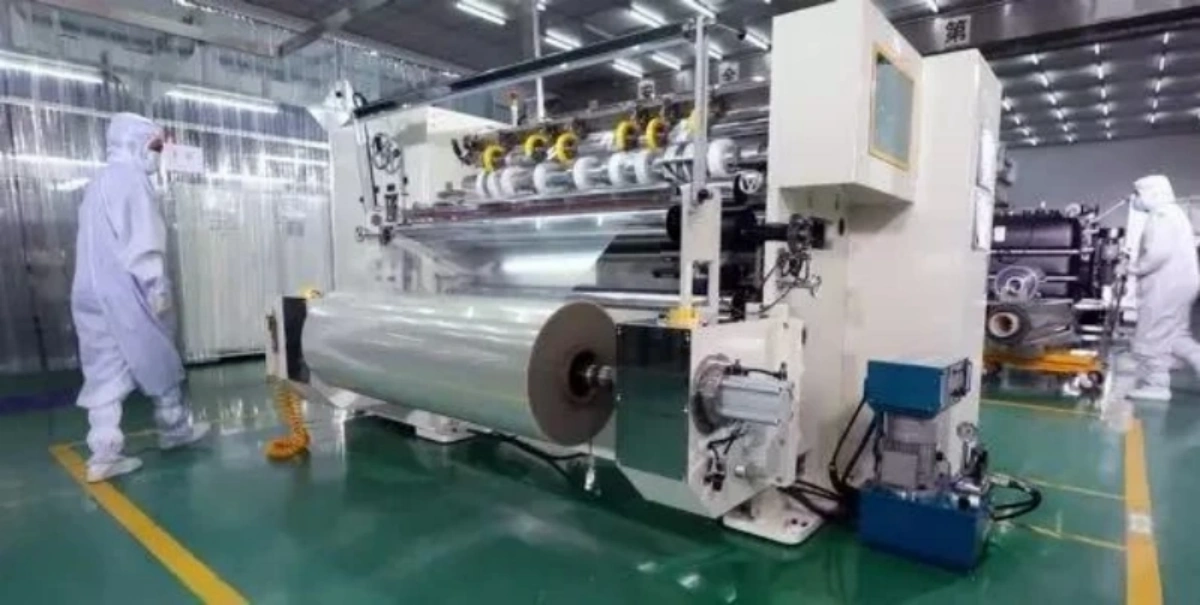
autoli TPU PPF Applied to all brand car models as Chevrolet、Tesla、Honda、Porsche.Our factory cooperates with PPF wholesale、PPF agent、ppf installation and all so in many countries and regions around the world,like Paraguay,Morocco,Belgium,India,Chile,Germany,Warranty: 10 years.Our advantages:Unlock Business Growth with Our Factory’s PPF;Your Key to Profitable PPF Ventures;Our customers are all over the world.Our factory also provides vinyl car wrapping、PET FILM.