

PPF uses PFAS-free materials, passing EU REACH 173 tests; VOC emissions <0.1mg/m3, safe for cars.,Minimizes dealer transport scratches on new cars.,Self-Healing PPF Technology – 10-Year Warranty, Free Samples.
The market trends and industry changes of PPF:
- China’s ECOCERT Compliance – Chinese PPF producers now meet ECOCERT standards, with 40% of exports to Europe using recycled TPU blends.
- Sustainability-Driven Material Shifts – The EU’s Packaging and Packaging Waste Regulation (PPWR) mandates recyclable materials by 2030, prompting PPF manufacturers to adopt bio-based TPU and recycled polypropylene (PP) to reduce environmental impact.
- Tropical UV Protection Boost – Films for equatorial regions include 5% more UV absorbers, extending anti-fading performance by 3 years in intense sunlight.
- Aerospace PPF Expansion – Lightweight PPF is being tested on aircraft exteriors, protecting against bird strikes and UV degradation in high-altitude environments.
- Cross-Industry Collaborations – Material suppliers (e.g., Lubrizol) are partnering with PPF manufacturers to develop specialized films for extreme climates, such as heat-resistant variants for desert regions.
- Recyclable Packaging Mandates – 80% of PPF brands now use recycled cardboard and biodegradable film wrap for packaging, aligning with EU packaging laws.
- Rise of Mobile Installation Services – On-demand PPF installation units equipped with portable dust-free booths are gaining traction, targeting busy urban consumers who prefer doorstep service.
- Insurance Partnerships and Bundling – EV manufacturers like BYD are integrating PPF into insurance packages, offering discounted rates for customers who opt for factory-installed protection.
- Nano-Coating Enhancements – Nano-based topcoats (e.g., Nasiol FCC) improve hydrophobicity and chemical resistance, extending PPF lifespan while maintaining self-healing capabilities.
- Regulatory Push for Transparency – The EU’s Digital Product Passport initiative requires PPF manufacturers to disclose material composition and recycling options, driving supply chain accountability.
Before & After: How PPF Transforms a 10-Year-Old Car:
- Before: Tailgate with faded decals and paint transfer from loading; After: PPF covers decals to preserve them and resists paint transfer, maintaining graphics.
- Before: Roof antenna with cracked paint from weathering; After: PPF’s flexible layer covers cracks and protects against rain/snow intrusion.
- Before: Wheel center caps with faded logos and scratches; After: Clear PPF covers caps, preserving logos and resisting scratches from cleaning.
- Before: A 10-year-old car shows extensive swirl marks and sun fade; After: PPF application hides defects and restores 90% of original gloss, making it look 5 years newer.
- Before: A-pillars with tree branch scratches from off-road use; After: PPF’s scratch-resistant topcoat hides marks and protects during future trail adventures.
- Before: Front license plate bracket mounting holes with rust around them; After: PPF covers hole perimeters, hiding rust and preventing corrosion spread.
- Before: Rear bumper step pad with paint worn away; After: PPF adds protective layer, hiding bare spots and resisting future wear from stepping.
- Before: Wheel well liners with paint transfer from tires; After: PPF lines liners, hiding transfer and preventing rubber from damaging paint further.
The horizontal comparison of PPF with other protection methods:
- PPF vs. Anti-Static Sprays – Sprays reduce dust attraction temporarily, while PPF’s anti-static properties last for years, with both aiding cleanliness but PPF offering more durability.
- PPF vs. Powder Coating – Powder coating provides durable metal protection but is rigid and permanent, unlike PPF’s flexible, removable barrier for painted surfaces.
- PPF vs. Polymer Sealants – Polymer sealants offer 3–6 months of chemical resistance but no physical defense, while PPF provides both for 5 years.
- PPF vs. Clear Bra (Old-Generation) – Modern PPF offers self-healing and flexibility, outperforming rigid old-gen clear bras that crack in cold weather and lack repair abilities.
- PPF vs. Ceramic Coatings – PPF offers physical impact protection (resisting rocks/chips) while ceramic coatings focus on chemical resistance and hydrophobicity, with PPF lasting 5–10 years vs. 2–5 for ceramics.
- PPF vs. Rust Converter Products – Converters treat existing rust, while PPF prevents rust triggers (moisture/salt) on painted surfaces, with complementary roles in corrosion management.
- PPF vs. Tire Dressing – Dressing enhances tire shine, while PPF has no role in tire care, illustrating their focus on separate vehicle components.
Say Goodbye to Car Scratches: Self-Healing PPF Revealed!:
- Car owners report a 70% reduction in visible scratches after installing self-healing PPF, boosting vehicle pride and resale value.
- EV owners get scratch repair around charging ports, where frequent plugging/unplugging can cause minor damage.
- Self-healing technology keeps PPF “invisible” over time, as scratches don’t accumulate to create a cloudy appearance.
- Desert sand scratches heal, protecting paint in harsh, windy environments with abrasive particles.
- Unlike temporary scratch removers that wash off, self-healing PPF’s repairs are permanent, with no reapplication needed.
The regulations of PPF and after-sales services:
- Lifetime Warranty Programs – Premium PPF brands like 3M offer 7-year warranties on Pro Series films, covering defects like delamination and yellowing, while excluding wear and tear or improper installation .
- EU PPWR Packaging Mandates – The EU’s Packaging and Packaging Waste Regulation (PPWR) requires PPF packaging to be recyclable by 2030 and prohibits PFAS in food-contact packaging, impacting material choices and disposal practices .
- Blockchain Warranty Verification – 3M utilizes blockchain to secure digital warranties, enabling traceable ownership transfers and fraud prevention .
- 3M’s Warranty Exclusions – 3M’s warranty explicitly excludes watermarks, improper maintenance, and non-authorized products, emphasizing the need for professional installation and genuine materials .
- EU REACH Compliance – PPF manufacturers must adhere to EU REACH regulations, ensuring all chemicals used in production meet strict safety and environmental standards, particularly for PFAS substances like C9-C14 PFCAs, which are restricted to ≤25 ppb in materials .
- Post-Installation Inspections – Professional installers like NAR PPF conduct post-installation checks to ensure edge sealing and material adherence, minimizing warranty claims .
- India’s BIS Certification for PP Materials – Polypropylene (PP) used in PPF production must meet India’s BIS certification under IS 10951:2020, ensuring quality and safety for domestic and export markets .
- Heat-Activated Self-Healing Warranties – Brands guarantee self-healing performance (e.g., 98% micro-scratch repair within 8 minutes at 45°C) under warranty, reflecting confidence in material durability .
- EU Digital Product Passport – PPF manufacturers must disclose material composition and recycling details via the EU’s Digital Product Passport, enhancing supply chain transparency .
- Supply Chain Traceability – EU PPWR mandates tracking PPF materials from production to disposal, ensuring compliance with recycled content targets (e.g., 30% by 2030) .
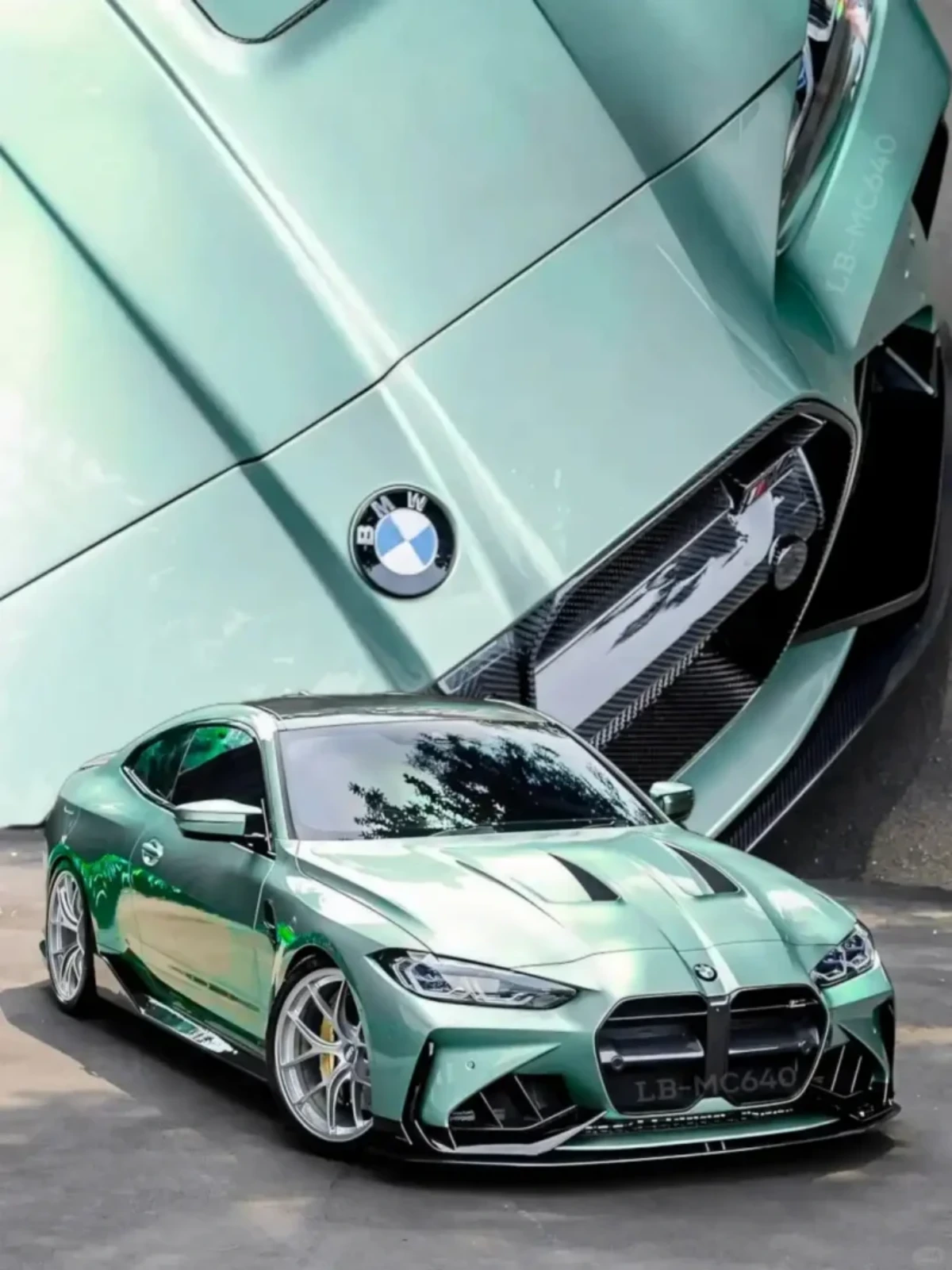
The materials and technologies of PPF:
- High-performance adhesive layer technology: Utilizing low initial tack and high final tack pressure-sensitive adhesive, it allows for repeated positioning adjustments during installation. Once cured, it adheres tightly to the vehicle body without de-bonding or leaving residue.
- Edge sealing reinforcement technology: Using a micro-groove lock-edge process and special sealing glue, water and dust can be prevented from seeping into the edge of the film, avoiding problems such as warping and bubbles.
- Track-day performance coating: Enhances heat resistance to 150°C for high-performance vehicles, preventing film delamination under extreme braking and acceleration.
- Low-VOCs production certification: Meets global eco-standards like GREENGUARD Gold, ensuring volatile organic compound emissions below 50μg/m3 during manufacturing.
- Bio-based TPU formulation: Uses 30% plant-derived materials (e.g., castor oil) without compromising mechanical performance, certified by ASTM D6400.
- UV-responsive fluorescence: Glows under UV light for enhanced visibility in low-light conditions, ideal for emergency vehicles.
The production supply chain and quality control system of PPF:
- Ethical Sourcing Policies – Prohibition of materials from conflict zones or suppliers with labor violations.
- Operator Training Programs – Certification of production staff on quality standards and inspection techniques.
- Abrasion Resistance – Taber abrasion tests (CS-10 wheel, 1kg load) measuring weight loss to validate durability.
- Hydrophobicity Checks – Contact angle measurements (>110°) confirming topcoat water repellency before roll winding.
- Self-Healing Efficacy – Controlled scratch tests (3μm depth) followed by heat activation to verify 95% repair rate.
- FIFO Inventory Rotation – First-in, first-out storage to ensure PPF rolls are shipped within optimal shelf life (12–18 months).
- Production Planning – AI-driven demand forecasting to optimize production runs and reduce material waste.
- Just-In-Time Inventory – Raw material delivery aligned with production schedules, reducing warehouse costs by 20–30%.
- Statistical Process Control (SPC) – Real-time monitoring of extrusion parameters with control charts to maintain CpK ≥ 1.33.
The user scenarios and value validation of PPF:
- Cold-Climate Users – Prevents salt and ice melt damage in Stockholm and Toronto, with PPF-treated bumpers showing 50% less winter-related etching.
- Solar Farm Maintenance Trucks – Resists dust and chemical exposure in desert solar sites, keeping vehicles operational with 25% less detailing.
- Mobile Library Vans – Protects children’s book transport vehicles from graffiti and bumps, maintaining community-friendly aesthetics for outreach programs.
- Ambulance Fleets – Protects emergency vehicle exteriors from disinfectant damage, maintaining visibility of markings and reducing repaint needs by 50% annually.
- Coastal Residents – Defends against salt spray corrosion in Miami and Sydney, with PPF-treated vehicles showing 70% less rust formation on lower panels.
- Luxury Vehicle Owners – Preserves factory paint on high-end cars like Mercedes-Maybach, with 92% of owners reporting retained resale value after 3 years of PPF use.
- Vintage Motorcycle Collectors – Preserves patina on 1950s Triumphs while preventing further wear, with reversible PPF allowing original condition display.
- Police Motorcycle Units – Shields Harley-Davidson patrol bikes from road grime and vandalism, maintaining high-visibility markings for 5 years.
- Photography Vehicle Owners – Maintains clean white backdrops on vans for photoshoots, as PPF resists dirt staining during outdoor location shoots.
- Tropical Region Owners – Resists acid rain etching in Bangkok and Rio, with PPF maintaining 90% paint clarity vs. 60% for unprotected vehicles after 2 years.
AUTOLI(CN) PPF(Paint Protection Film) oem factory
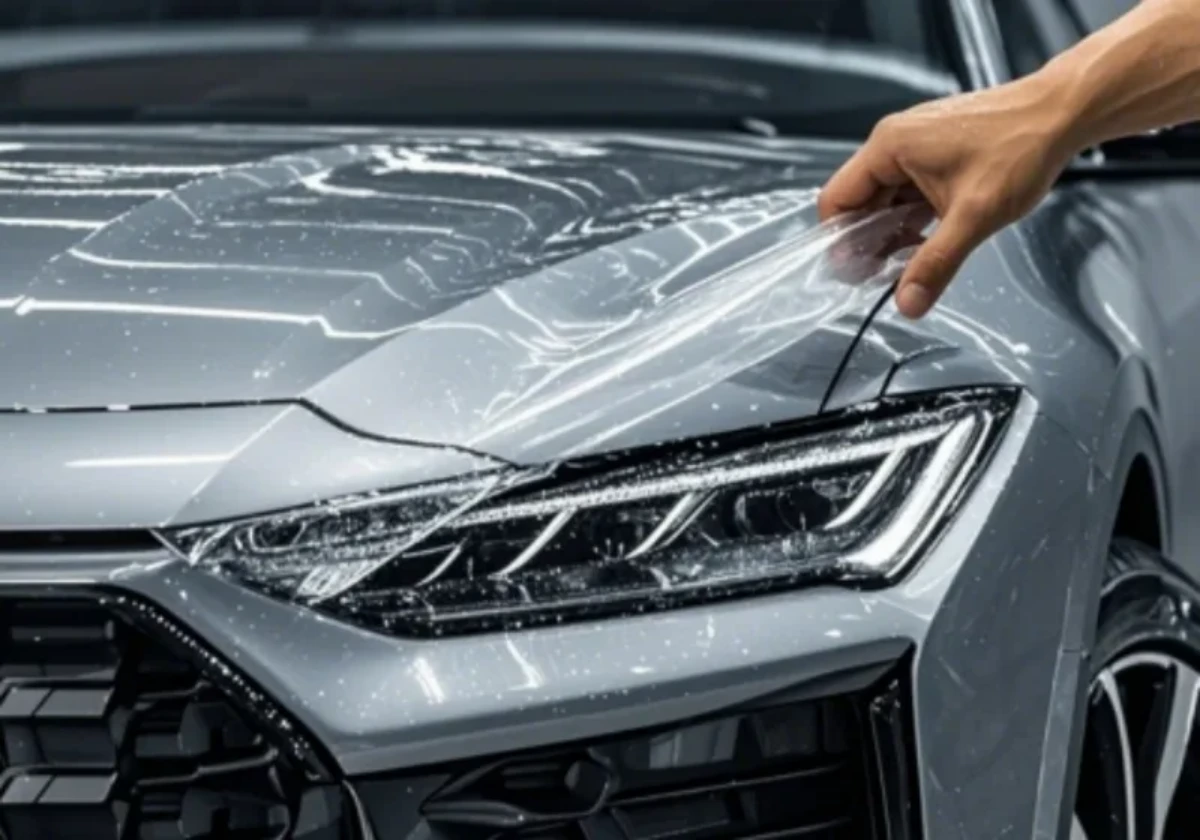
autoli TPU PPF Applied to all brand car models as Dodge、Toyota、byd、ford、Ferrari、Volkswagen.Our factory cooperates with Auto Spa、Auto Repair Center、Auto Detailing service、PPF installer and all so in many countries and regions around the world,like Peru,Colombia,Ireland,VietNam,Warranty: 10 years.Our advantages:High quality raw materials and advanced technology;Large stock of styles for you to choose from;SGS, ASTM, REACH, UL and other certifications;Strict quality control system.Our factory also provides car film、Car Paint Protection Film.