

PPF’s resistance to bird droppings’ acidic content prevents etching, a common issue that ruins clear coats unprotected.,Requires only soap-water for cleaning.,Cooperate for Gain: Diverse – Colored PPF, Speedy Turnaround, Certified Quality.
The construction and maintenance of PPF:
- Avoid Automated Car Washes with Brushes – Brushless washes prevent abrasive contact that can scratch PPF.
- Remove Bird Droppings Promptly – Cleaning acidic bird droppings within 24 hours prevents etching through the protective layer.
- Edge Sealing – Heat-sealing edges with a microfiber cloth prevents moisture ingress and future lifting in car washes.
- LED Light Inspection Post-Install – Bright LED lighting reveals hidden bubbles or misalignments missed in natural light.
- Post-Repair Curing – Allowing 24 hours after minor repairs (e.g., bubble removal) before washing to ensure adhesion.
- Post-Heat Curing – A final pass with a heat gun (80–100°C) on edges accelerates adhesive curing for immediate durability.
- Monthly Topcoat Dullness Checks – Inspecting for reduced gloss indicates when a sealant boost is needed to restore hydrophobicity.
- Deionized Water for Washing – Mineral-free water reduces water spot residue on PPF surfaces after drying.
- Storage Protection – Covering vehicles with breathable car covers in storage prevents dust buildup and UV overexposure.
Say Goodbye to Car Scratches: Self-Healing PPF Revealed!:
- Even in cooler climates, garage warmth or body heat can trigger healing, ensuring scratch repair isn’t limited to hot weather.
- Classic car owners protect original paint with self-healing PPF, as scratches heal without damaging vintage finishes.
- Professional detailers confirm self-healing PPF cuts correction time by 50%, as fewer scratches require manual polishing.
- Winter scratches from road salt or sand heal once temperatures rise, preventing permanent damage in cold climates.
- Self-healing PPF preserves custom paint jobs, repairing scratches without altering unique colors or textures.
- Car owners report a 70% reduction in visible scratches after installing self-healing PPF, boosting vehicle pride and resale value.
The differentiated user group needs matching of PPF:
- Coastal Residents – Choose saltwater-resistant PPF with anti-corrosion additives to combat salt spray and humidity-induced oxidation.
- Vintage Airplane Owners – Opt for aviation-grade PPF that protects aluminum surfaces from corrosion and UV damage during storage and display.
- Ride-Share Drivers – Opt for durable 8mil PPF with quick-healing properties to resist passenger-related scratches and maintain vehicle appearance.
- Electric Scooter Fleets – Use ultra-thin 5mil PPF for lightweight protection, shielding plastic bodies from urban curb impacts and weathering.
- Eco-Conscious Users – Select bio-based, biodegradable PPF made from plant-derived TPU to align with sustainability goals and reduce environmental impact.
- Rally Racing Teams – Prioritize puncture-resistant PPF with 600% elongation, withstanding extreme terrain impacts during cross-country rallies.
The cutting-edge technology research and development of PPF:
- Dynamic Mechanical Response Coatings – Shape memory polyurethanes with programmable stress-strain curves adapt to impact forces in automotive collisions.
- AI-Powered Material Discovery – High-throughput screening platforms identify novel TPU formulations with tailored properties in days instead of years.
- Dynamic Color-Changing PPF – Thermochromic liquid crystals embedded in films display temperature gradients for diagnostic applications.
- Self-Healing Antimicrobial Coatings – Silver-doped microcapsules in PPF combine scratch repair with long-term bacterial inhibition for medical devices.
- Nano-Structured Anti-Graffiti Coatings – Superhydrophobic and oleophobic surfaces repel spray paint, allowing easy removal with water rinsing.
- Bio-Based TPU – Algae-derived and waste cooking oil-based TPU reduces carbon footprint by 70% compared to petroleum-based alternatives.
- Biodegradable Nanocomposites – Coconut husk-derived bioplastics and black phosphorus-reinforced PPF degrade in 3–5 years under industrial composting.
- Superhydrophobic Nanostructures – Laser-ablated micro-nano textures on PPF surfaces achieve contact angles >160°, repelling water and debris in extreme weather.
- Bio-Based Flame Retardants – Chitosan-functionalized ammonium polyphosphate (CS-APP) and phenylphosphonic difurfurylamine (PPDF) provide V-0 rating in UL 94 tests with <1% loading.
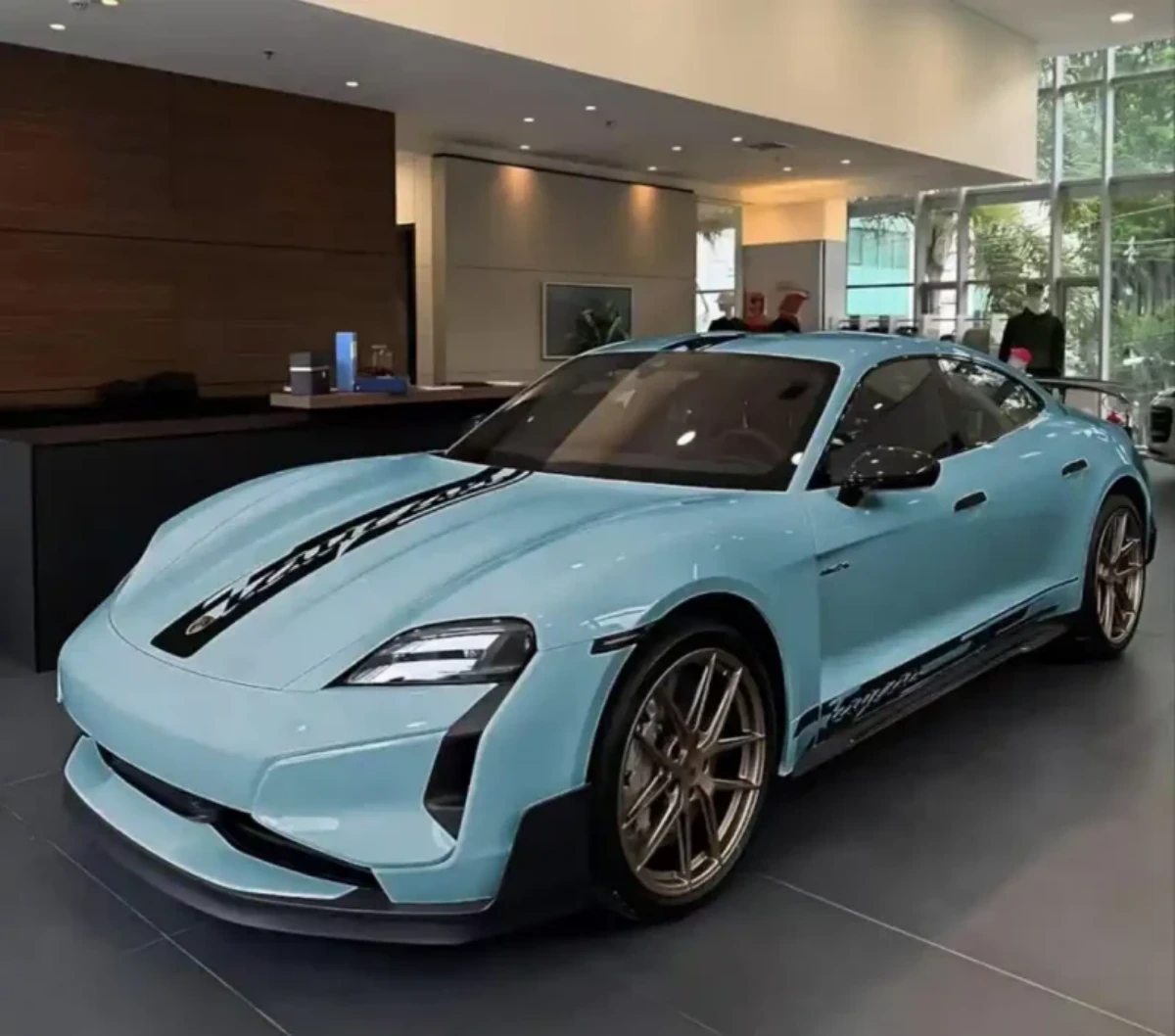
The long-term monitoring and maintenance system after the installation of PPF:
- Post-Storm Damage Assessments – Inspecting for debris impacts or chemical residue after hailstorms, sandstorms, or acid rain events.
- Impact Damage Documentation – Taking timestamped photos of chips/scratches to monitor self-healing progress over weeks.
- Avoid High-Pressure Direct Sprays – Keeping pressure washers ≥30cm from edges to prevent forcing water under lifted seams.
- DIY Bubble Repair Guidelines – Using a needle to puncture bubbles, then applying heat and gentle pressure with a microfiber cloth.
- Microfiber Cloth Rotation – Using separate cloths for tops, sides, and lower panels to prevent cross-contamination with grit.
- Bi-Weekly Basic Cleaning – Rinsing with low-pressure water to remove surface dirt, preventing abrasive particle buildup.
- Thermal Healing Activation – Parking in sunlight (or using low-heat hair dryers) to accelerate self-healing of minor scratches in cool weather.
- Interior PPF Cleaning Routine – Wiping dashboard films with 70% isopropyl alcohol to remove fingerprints without streaking.
- Matte Finish Texture Checks – Using profilometers quarterly to verify matte PPF retains original texture (Ra 2–5μm) without glossing.
The production supply chain and quality control system of PPF:
- Adhesion Testing – Peel strength measurements (180°/90°) on sample cuts to verify adhesive bond strength.
- Dealer Inventory Management – Cloud-based systems tracking installer stock levels to trigger automatic reorders.
- Non-Conforming Material Handling – Quarantine, segregation, and disposition processes for defective materials/finished goods.
- Thickness Gauging – Laser sensors measuring film thickness every 0.5 seconds, ensuring ±0.1mil tolerance.
- Abrasion Resistance – Taber abrasion tests (CS-10 wheel, 1kg load) measuring weight loss to validate durability.
- Operator Training Programs – Certification of production staff on quality standards and inspection techniques.
The user pain points of PPF and their solutions:
- Complex Maintenance – Simplified via pH-neutral cleaning kits, hydrophobic topcoats, and quarterly sealant boosters.
- Matte Paint Distortion – Solved by matte-specific PPF (20–30% gloss) designed to preserve texture without shine spots.
- Yellowing Over Time – Solved by anti-yellowing formulations with HALS stabilizers and UV absorbers, maintaining clarity for 10 years.
- Scratches from Automated Car Washes – Prevented by scratch-resistant topcoats (9H hardness) and “brushless wash safe” certifications.
- DIY Installation Failures – Resolved with pre-cut laser patterns, air-release adhesives, and step-by-step video tutorials.
- ADAS Sensor Interference – Prevented by radar-transparent PPF (99.9% signal transmission) tested with OEM systems.
The product classification and selection logic of PPF:
- Brand Reputation Consideration – Opting for established brands with proven track records over generic alternatives for reliability.
- UV Exposure Assessment – Prioritizing UV-stabilized PPF for vehicles parked outdoors full-time in sunny climates.
- Edge Seal Technology Selection – Upgrading to heat-sealable PPF for car wash frequenters to prevent edge lifting.
- Large Surface Coverage – Selecting wide-width rolls for RVs or commercial vehicles to minimize seam visibility.
- Impact Energy Absorption – Prioritizing viscoelastic PPF for highway drivers to reduce stone chip damage at high speeds.
- Climate Adaptation Logic – Choosing coastal-formulated PPF with anti-corrosion additives for saltwater exposure or cold-flex variants for winter regions.
- Vehicle Type Compatibility – Classified for cars, SUVs, trucks, EVs, or classics, with tailored patterns and performance traits.
The regulations of PPF and after-sales services:
- Warranty Transferability – Transferred vehicle ownership often requires warranty re-registration, with brands like 3M requiring updated documentation to maintain coverage .
- Nano-Coating Warranty Bundles – Hybrid solutions combining PPF with ceramic coatings (e.g., Onyx PPF Nano Coat) offer extended warranties covering both layers .
- California CARB VOC Limits – PPF adhesives sold in California must comply with CARB’s strict VOC regulations, reducing harmful emissions during installation to align with regional air quality standards .
- IoT-Enabled Performance Monitoring – Emerging PPFs with embedded sensors monitor UV exposure and damage levels, providing real-time data for predictive maintenance and warranty claims .
- Japan’s Window Tinting Restrictions – Japanese regulations ban PPF installation on front driver/passenger windows and mandate partial windshield film transparency to ensure unobstructed visibility .
AUTOLI(CN) PPF(Paint Protection Film) manufacturer

autoli TPU PPF Applied to all brand car models as Maserati、Mazda、ford、Bugatti.Our factory cooperates with PPF wholesaler、Auto Detailing service、PPF distributor and all so in many countries and regions around the world,like Sweden,Iran,Slovakia,Thailand,Romania,Belgium,Warranty: 10 years.Our advantages:Strict quality control system;Unlock Business Growth with Our Factory’s PPF;SGS, ASTM, REACH, UL and other certifications.Our factory also provides TPU PPF、Vinyl Car Wrap.