

PPF’s matte variants (Ra 0.8-1.6μm) create premium abrazine texture, reducing swirl marks and enhancing dark car depth.,Covers edges to prevent water ingress.,Our Factory’s PPF: Paving the Way for Substantial Profit Accumulation.
The market trends and industry changes of PPF:
- Integration of Ceramic Coatings – PPF-safe ceramic coatings applied post-installation (e.g., Onyx PPF Nano Coat) boost scratch resistance by 40%, creating hybrid protection solutions.
- ADAS Sensor Compatibility – PPF films with 99.9% LiDAR/radar transparency are becoming standard, ensuring autonomous driving systems function unimpeded post-installation.
- OEM Integration and EV Demand – Original equipment manufacturers (OEMs) are increasingly factory-installing PPF, particularly for electric vehicles (EVs), which represent 19% of OEM PPF applications due to their premium paint protection needs.
- 15-Year Anti-Yellowing Warranties – Premium brands now offer 15-year guarantees against yellowing, using advanced HALS stabilizers to outlast traditional 10-year warranties.
- Maintenance App Ecosystems – Brands like XPEL offer apps with PPF care reminders and digital warranty tracking, boosting customer retention by 28%.
- Circular Economy Initiatives – Closed-loop recycling programs for end-of-life PPF are being piloted, with companies like MBA Polymers achieving 80% carbon reduction in recycled PP production.
The materials and technologies of PPF:
- AI-driven precision cutting: Employs machine learning algorithms to analyze vehicle surfaces and generate custom-fit patterns with 0.1mm accuracy, minimizing material waste.
- Self-healing temperature threshold optimization: Activates repair mechanisms at 30°C (vs. 40°C traditionally), enabling faster recovery in mild climates.
- EV-specific lightweight optimization: Reduces base material density by 15% for electric vehicles, minimizing added weight impact on battery range.
- Solvent-free adhesive process: The adhesive uses a 100% solvent-free pressure-sensitive adhesive formula, eliminating the risk of solvent evaporation residue and enhancing the environmental friendliness and long-term adhesion stability of the construction.
- UL ECOLOGO Certification: Validates environmental sustainability and low chemical emissions.
- Multi-layer optical coating: Combines anti-reflective and color-enhancing layers to boost paint color saturation by 5-8% while maintaining high light transmittance.
- High-performance adhesive layer technology: Utilizing low initial tack and high final tack pressure-sensitive adhesive, it allows for repeated positioning adjustments during installation. Once cured, it adheres tightly to the vehicle body without de-bonding or leaving residue.
- Fire-resistant coating: Passes UL94 V-0 certification with flame spread rate <10mm/min, meeting automotive safety standards.
- Dynamic impact dispersion technology: Integrates micro-elastic buffers within the TPU matrix to分散 and absorb impact energy from high-speed debris, reducing paint indentation risk by over 60%.
The horizontal comparison of PPF with other protection methods:
- PPF vs. Bug Remover Coatings – Bug coatings make cleanup easier, while PPF resists insect acid etching, with PPF offering proactive protection vs. reactive cleaning aid.
- PPF vs. Chrome Polish – Chrome polish removes tarnish but doesn’t prevent future damage, while PPF on chrome trims resists scratches and maintains shine long-term.
- PPF vs. Polymer Sealants – Polymer sealants offer 3–6 months of chemical resistance but no physical defense, while PPF provides both for 5 years.
- PPF vs. Acrylic Paint Sealants – Acrylic sealants harden into a rigid layer prone to peeling, while PPF remains flexible, reducing edge lifting in temperature changes.
- PPF vs. Rubber Gasket Protectants – Gasket protectants prevent drying/cracking, while PPF has no role in rubber maintenance, highlighting their non-overlapping functions.
- PPF vs. Truck Bed Liners – Liners protect cargo areas from heavy impacts, while PPF shields exterior panels from road debris, with distinct application zones and purposes.
- PPF vs. Headlight Restoration Kits – Restoration fixes yellowing, while PPF prevents UV damage and rock chips on headlights, extending clarity 3x longer than restored lenses alone.
- PPF vs. Matte Paint Sealants – PPF preserves matte paint texture while adding scratch resistance, whereas matte sealants focus on maintaining finish but lack impact defense.
- PPF vs. Clear Bra (PVC) – Modern TPU PPF offers self-healing and flexibility, outperforming rigid PVC clear bras that crack in cold weather and lack repair capabilities.
The cost structure and price composition of PPF:
- Trade-In Valuation – PPF preservation adds 5–10% to vehicle resale value, justifying initial investment.
- Certified Installer Premium – Factory-trained installers charge 20–30% more than uncertified technicians.
- Adhesive Technology Costs – Removable adhesives add $0.30–$0.50 per square foot vs. permanent options.
- Bio-Based TPU Premium – Plant-derived TPU increases raw material costs by 15–20% but supports premium pricing.
- Economic Downturn Pricing – Recessionary periods see 5–10% price reductions to maintain sales volume.
- Packaging Efficiency Savings – Bulk rolls reduce packaging costs by 40%, passing 10–15% savings to buyers.
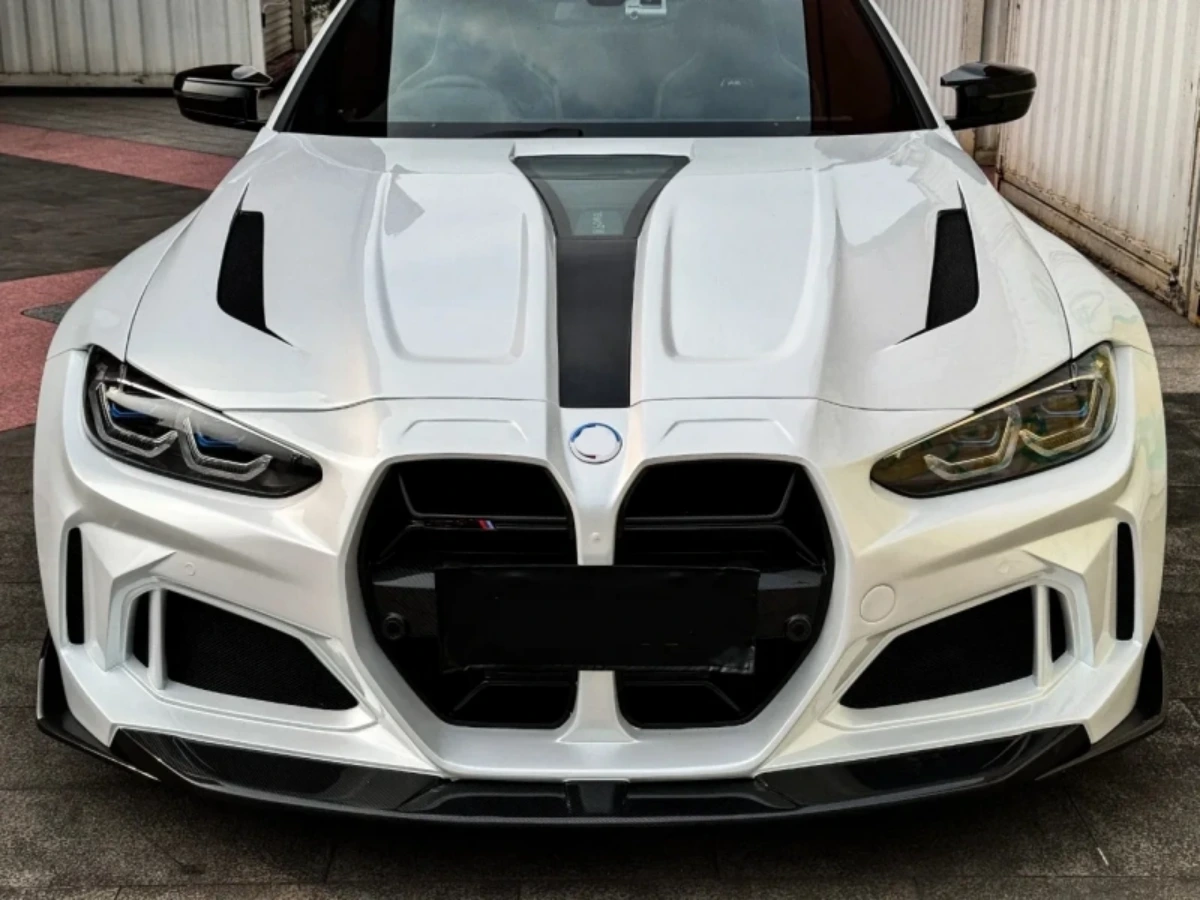
The protective performance of PPF:
- **Dust and Dirt Repellency** – PPF has a smooth surface that reduces the adhesion of dust and dirt, keeping the vehicle cleaner for longer periods between washes.
- Rapid Self-Healing Activation – Minor scratches heal within minutes under sunlight or low heat (40-60°C), restoring a flawless finish.
- Efficient Installation Process – Pre-cut kits and dry/wet application methods reduce installation time by 30% compared to traditional wraps.
- Flexible Impact Resistance – Balances elasticity with toughness to absorb impacts while conforming to curves.
- Long-Term Flexibility Retention – Maintains elasticity in extreme temperatures (-40°C to 120°C), preventing cracking or embrittlement.
- Car Polish Compatibility – Safe to use with most automotive polishes, though ceramic coatings are recommended for enhanced hydrophobicity.
The differentiated user group needs matching of PPF:
- Mobile Fitness Studios – Prefer sweat-resistant PPF for interior surfaces, withstanding frequent cleaning and equipment movement.
- Mobile Business Vans – Select logo-friendly clear PPF to protect brand graphics from road wear while maintaining visibility of company messaging.
- EV Owners – Require heat-resistant PPF (120°C ) for battery zones and radar-transparent films to maintain ADAS functionality.
- Farm Equipment Operators – Apply heavy-duty 12mil PPF to tractor hoods and cabs, resisting crop debris, mud, and chemical splatters.
- Historic Military Jeep Collectors – Choose olive-drab compatible PPF that preserves original paint while hiding minor scratches from display and transport.
- College Students – Choose affordable 6mil PPF kits for first cars, balancing basic scratch protection with budget constraints.
- Mobile Hair Salon Vans – Select chemical-resistant PPF to protect exteriors from hair dye and product spills, maintaining professional appearance.
Say Goodbye to Car Scratches: Self-Healing PPF Revealed!:
- Even in cooler climates, garage warmth or body heat can trigger healing, ensuring scratch repair isn’t limited to hot weather.
- Self-healing properties work year-round, from summer sun triggering rapid repairs to winter garage warmth gradually fixing cold-weather scratches.
- Top brands back self-healing PPF with 5–15 year warranties, guaranteeing repair performance for the film’s lifespan.
- Self-healing efficiency is highest for thinner scratches, making it ideal for preventing “spider web” swirl marks.
- Self-healing technology is integrated into the TPU matrix, ensuring repairs aren’t limited to a thin topcoat that wears away.
The user pain points of PPF and their solutions:
- High Heat Damage (EV Batteries) – Solved by heat-resistant PPF (120°C ) with thermal conductivity for battery zone protection.
- Uncertainty About Lifespan – Resolved by clear warranty durations (5–15 years) and real-world durability data from field tests.
- Damage from Road Debris – Mitigated by impact-dispersing multi-layer films, reducing stone chips by 70% at highway speeds.
- Uncertainty About Product Quality – Resolved by third-party certifications (ECOCERT, ISO 9001) and transparent material disclosure.
- Difficulty Matching Vehicle Contours – Addressed by 3D-scanned, vehicle-specific pre-cut patterns for complex curves (fenders, mirrors).
- High Installation Costs – Mitigated by tiered pricing (DIY kits vs. premium pro installs) and financing options for budget flexibility.
- High Heat Damage (EV Batteries) – Solved by heat-resistant PPF (120°C ) with thermal conductivity for battery zone protection.
- DIY Installation Failures – Resolved with pre-cut laser patterns, air-release adhesives, and step-by-step video tutorials.
- Complex Warranty Transfers – Simplified via blockchain-based systems enabling easy ownership transfers with digital validation.
- Bubbles After Installation – Prevented by air-release adhesive channels and certified installers using dust-free environments.
Why TPU PPF:
- Rust-Free Hardware – Stainless steel fasteners prevent corrosion at connection points.
- Cost Predictability – Fixed material costs avoid price fluctuations of lumber markets.
- Color Matching – Custom color matching to RAL or Pantone codes for brand consistency.
- Aesthetic Versatility – Can mimic wood grain via powder coating for traditional looks with modern durability.
- Structural Certification – Meets International Building Code (IBC) standards for safety.
- Powder-Coated Finishes – Polyester powder coatings provide scratch-resistant, UV-stable colors with 10 year warranties.
- Storm Resilience – Quick-disconnect accessories prevent damage during severe weather.
- Artistic Customization – Can be powder-coated to match building trim or accent colors.
AUTOLI(CN) PPF(Paint Protection Film) manufacturer
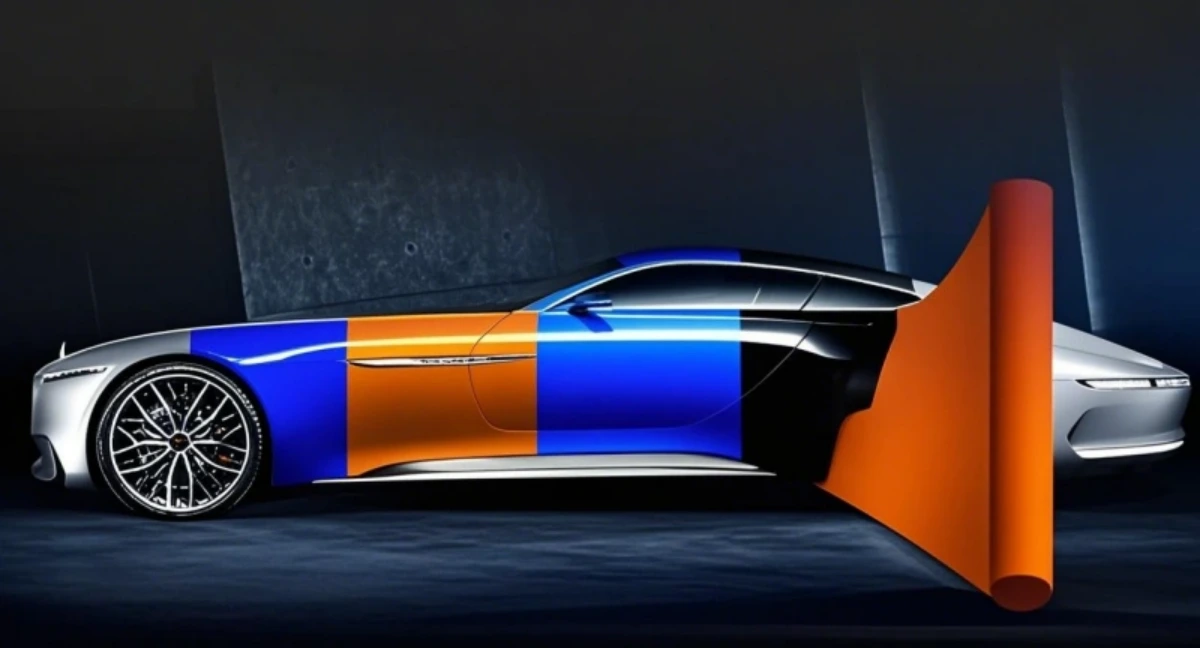
autoli TPU PPF Applied to all brand car models as Nissan、Chrysler、Audi、Ferrari.Our factory cooperates with PPF wholesaler、Auto Detailing service、car Detail and all so in many countries and regions around the world,like Japan,USA,Luxembourg,Philippines,France,Cyprus,Warranty: 10 years.Our advantages:SGS, ASTM, REACH, UL and other certifications;Collaborate for Lucrative Returns: Source factory;Short production cycle, quick delivery;Strict quality control system;Our customers are all over the world.Our factory also provides Car Wrap Vinyl、car vinyl wrap、car wrapping.