

PPF’s thickness variation (8-10mil) allows customization, with thicker options for high-impact areas like front bumpers.,Enhances car show appearance with gloss.,Partner with Our Factory: PPF – Fueled Profit Trajectories for Your Business.
The user pain points of PPF and their solutions:
- Scratches from Automated Car Washes – Prevented by scratch-resistant topcoats (9H hardness) and “brushless wash safe” certifications.
- Edge Lifting – Addressed through heat-sealed edges and nano-adhesive technology, reducing lifting by 75% in car washes.
- Bubbles After Installation – Prevented by air-release adhesive channels and certified installers using dust-free environments.
- Uncertainty About Lifespan – Resolved by clear warranty durations (5–15 years) and real-world durability data from field tests.
- Mold Growth in Humid Climates – Prevented by antimicrobial additives and breathable film designs allowing moisture evaporation.
- Difficulty Matching Vehicle Contours – Addressed by 3D-scanned, vehicle-specific pre-cut patterns for complex curves (fenders, mirrors).
- High Heat Damage (EV Batteries) – Solved by heat-resistant PPF (120°C ) with thermal conductivity for battery zone protection.
- Discoloration on Dark Paint – Solved by high-clarity TPU with low-iron content, preventing blue/green tint on black vehicles.
- Uncertainty About Product Quality – Resolved by third-party certifications (ECOCERT, ISO 9001) and transparent material disclosure.
The horizontal comparison of PPF with other protection methods:
- PPF vs. Clear Bra (Old-Generation) – Modern PPF offers self-healing and flexibility, outperforming rigid old-gen clear bras that crack in cold weather and lack repair abilities.
- PPF vs. Plastic Trim Restorers – Restorers revive faded trim, while PPF prevents UV damage and scratches on trim, maintaining appearance without frequent reapplication.
- PPF vs. Vinyl Protectants – Vinyl protectants prevent cracking in vinyl wraps but don’t shield against impacts, unlike PPF which adds scratch resistance to wrapped surfaces.
- PPF vs. Teflon Coatings – Teflon coatings reduce friction but lack self-healing, unlike PPF which repairs micro-scratches and resists abrasion better in high-wear areas.
- PPF vs. Graphite Coatings – Graphite coatings reduce friction on metal parts but don’t protect paint, unlike PPF which shields exterior surfaces from physical damage.
- PPF vs. Matte Paint Sealants – PPF preserves matte paint texture while adding scratch resistance, whereas matte sealants focus on maintaining finish but lack impact defense.
The differentiated user group needs matching of PPF:
- Exotic Car Owners – Invest in custom-cut PPF for carbon fiber panels and unique contours, with 9H hardness to protect high-value specialty finishes.
- Industrial Equipment Owners – Apply chemical-resistant PPF to shield machinery from oils, solvents, and abrasion in factory or construction settings.
- Desert Off-Road Racers – Require sand-resistant PPF with anti-abrasion topcoats, preventing paint damage from blowing sand during races.
- Food Truck Operators – Need grease-resistant PPF for exterior surfaces, simplifying cleanup of food splatters and road grime.
- Ambulance Fleets – Need chemical-resistant PPF to withstand disinfectant exposure, maintaining markings and paint integrity during emergencies.
- Music Tour Bus Operators – Use tour-bus-specific PPF to protect custom paint jobs from road debris during cross-country travels.
The materials and technologies of PPF:
- Self-healing temperature threshold optimization: Activates repair mechanisms at 30°C (vs. 40°C traditionally), enabling faster recovery in mild climates.
- Nano-ceramic particle infusion: Incorporates 9H-hardness ceramic nanoparticles into the top coat, enhancing scratch resistance against keys and road debris.
- Nanometer-level functional coating technology: The surface is covered with a hydrophobic and oleophobic coating, reducing the adhesion of stains and enhancing scratch resistance. Some contain UV-resistant particles to improve weather resistance.
- Smart damage detection layer: Embeds micro-sensors that interact with smartphone apps to alert users of hidden impacts or coating wear via subtle color shifts.
- Acoustic dampening technology: Reduces wind noise by 3-5 dB through porous foam layers embedded within the film structure.
- Track-day performance coating: Enhances heat resistance to 150°C for high-performance vehicles, preventing film delamination under extreme braking and acceleration.
- Multi-layer color gradient: Creates seamless transitions between colors (e.g., from black to red) using nano-layer deposition techniques.
The protective performance of PPF:
- **Resistance to Abrasion from Pet Claws** – For those who transport pets in their vehicles, PPF protects the interior and exterior surfaces from scratches caused by pet claws.
- **Enhanced Chemical Barrier** – It provides an extra layer of chemical resistance, protecting against substances like gasoline spills or cleaning chemicals that might accidentally come into contact with the vehicle’s paint.
- Heat Resistance – Withstands high temperatures from engine heat, sunlight, or industrial environments without melting or warping.
- **Anti – Abrasion in Car Washes** – Protects the paint from the abrasion caused by automatic car wash brushes, ensuring that the paint finish remains smooth and unblemished.
- Harsh Chemical Resistance – Stands up to brake fluid, carb cleaner, and road salts without staining or damage.
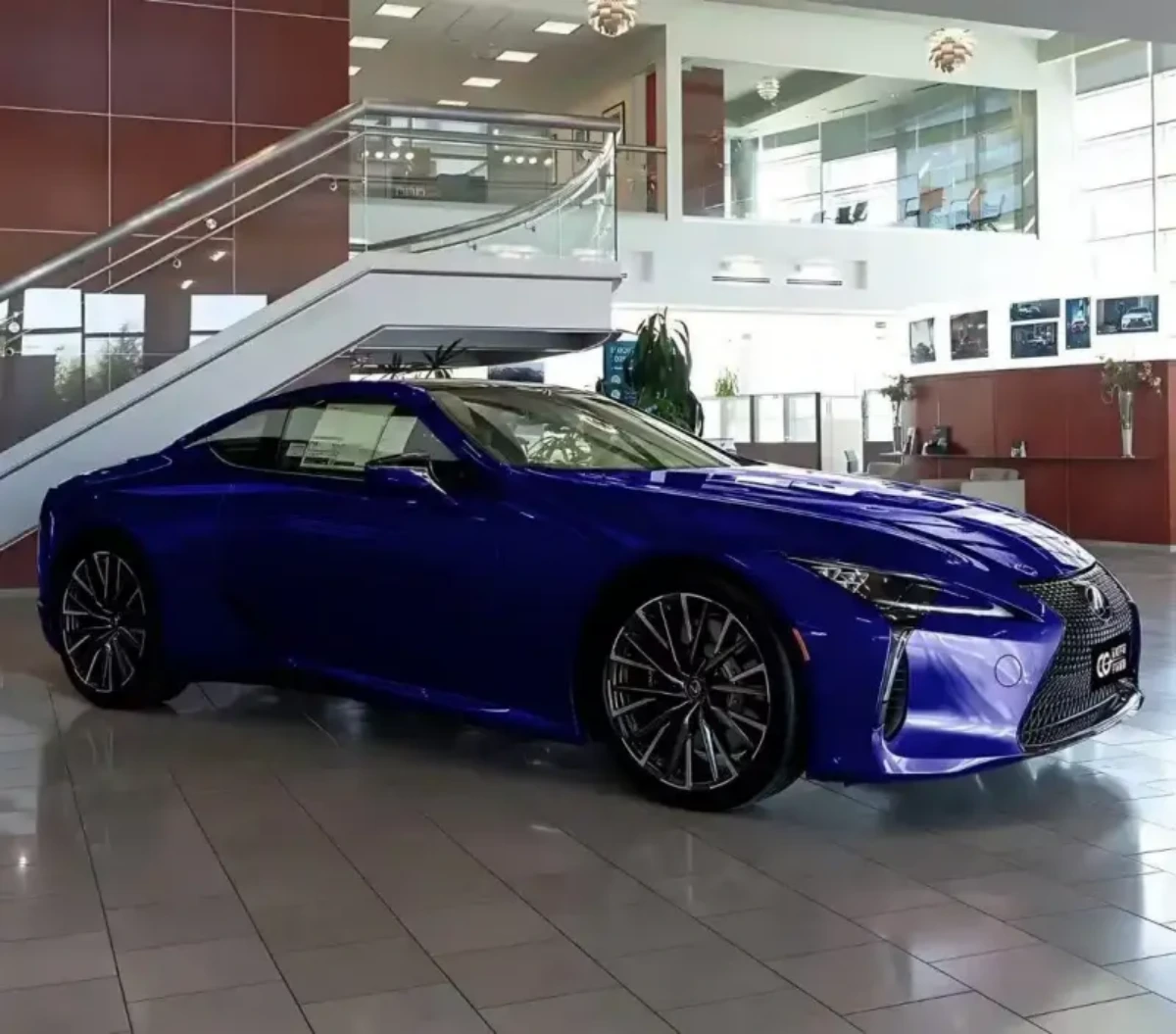
TPU PPF VS PET PPF:
- Impact Energy Absorption – TPU PPF’s viscoelastic properties dissipate 60% of impact energy, while PET PPF’s rigid structure absorbs only 25%.
- Outdoor Storage Performance – TPU PPF-protected vehicles show 70% less fading in outdoor storage, compared to 30% reduction with PET PPF.
- Edge Sealing Options – TPU PPF accepts heat sealing for permanent edges, while PET PPF requires adhesive sealants that degrade faster.
- Installation Training Requirements – TPU PPF requires 20 hours of training, while PET PPF needs 40 hours due to less forgiving application.
- Wear Pattern Distribution – TPU PPF distributes wear evenly across surfaces, whereas PET PPF shows concentrated wear in high-traffic areas.
- Low-VOC Formulations – TPU PPF manufacturing emits 50% fewer VOCs than PET PPF production processes.
- Chemical Adhesion – TPU PPF bonds to factory and custom paints, while PET PPF may fail on matte or textured finishes.
- Warranty Coverage – TPU PPF typically includes 5–15 year warranties, while PET PPF warranties rarely exceed 2–3 years.
- Installation Ease – TPU PPF’s air-release adhesives allow repositioning, while PET PPF’s aggressive adhesives make alignment errors irreversible.
The construction and maintenance of PPF:
- Citrus-Based Degreasers – Petroleum-free, citrus cleaners remove oil stains without breaking down PPF adhesives.
- Low-Temperature Cleaning – Using warm (not hot) water in winter prevents thermal shock to the PPF and adhesives.
- Heat Activation for Adhesion – A heat gun (60–80°C) activates adhesives along edges and curves to secure long-term bonding.
- Storage Protection – Covering vehicles with breathable car covers in storage prevents dust buildup and UV overexposure.
- Tri-Stage Surface Cleaning – Washing, clay barring, and alcohol wipe-downs ensure 99% contaminant removal before PPF application.
- Squeegee Technique – Using firm, overlapping strokes with a felt-edge squeegee removes water and air bubbles for a tight bond.
The user scenarios and value validation of PPF:
- Tropical Region Owners – Resists acid rain etching in Bangkok and Rio, with PPF maintaining 90% paint clarity vs. 60% for unprotected vehicles after 2 years.
- Antique Fire Truck Collectors – Preserves vintage 1950s fire engine paint while allowing parade use, with reversible PPF preventing permanent damage.
- EV Owners – Protects Tesla and Rivian battery hoods from stone chips, maintaining thermal efficiency and avoiding warranty-related paint damage claims.
- Food Truck Operators – Protects mobile kitchen exteriors from road grime and food splatters, maintaining brand aesthetics for customer appeal.
- Solar Farm Maintenance Trucks – Resists dust and chemical exposure in desert solar sites, keeping vehicles operational with 25% less detailing.
- Custom Paint Owners – Preserves expensive matte or chameleon finishes, with PPF preventing swirl marks that would ruin $5,000 custom paint jobs.
- Police Motorcycle Units – Shields Harley-Davidson patrol bikes from road grime and vandalism, maintaining high-visibility markings for 5 years.
How TPU Redefines PPF:
- Customization Capability – TPU’s laser-cuttable nature redefined PPF from generic sheets to vehicle-specific kits with precision fits for complex curves.
- Low Thermal Expansion – TPU’s stable dimensions redefined PPF from warping-prone films to temperature-stable protectors avoiding edge lifting in heat.
- Low-VOC Production – TPU’s solvent-free manufacturing redefined PPF from high-emission products to eco-friendly options meeting CARB and REACH standards.
- Color Stability – TPU’s pigment-retention properties redefined PPF from clear-only products to color-stable tinted films for subtle aesthetic enhancement.
- Chemical Compatibility – TPU’s resistance to cleaning agents redefined PPF from delicate films to easy-maintain solutions compatible with pH-neutral cleaners.
- Repairability Focus – TPU’s patchable design redefined PPF from full-replacement products to partially repairable systems cutting maintenance costs.
- Low-Maintenance Design – TPU’s self-cleaning properties redefined PPF from high-upkeep products to “set-it-and-forget-it” solutions requiring minimal care.
- Cold-Weather Flexibility – TPU’s resistance to brittleness in sub-zero temperatures redefined PPF from seasonal products to year-round protection in cold climates.
- Cultural Adaptability – TPU’s compatibility with local climates redefined PPF from Western-focused products to global solutions for tropical, desert, and polar regions.
Say Goodbye to Car Scratches: Self-Healing PPF Revealed!:
- Interior self-healing PPF repairs dashboard and console scratches from daily use, extending cabin aesthetics.
- Bike rack or cargo carrier scratches on SUVs heal, preserving paint on vehicles used for outdoor activities.
- Scratches from tree sap or bug splatter removal heal, ensuring necessary cleaning doesn’t leave permanent marks.
- Hard-to-reach areas like wheel arches and bumper edges receive the same healing benefits, ensuring uniform appearance across your vehicle.
- Heat-activated repair eliminates the need for abrasive polishes that thin your car’s paint or degrade protective layers over time.
- Car owners report a 70% reduction in visible scratches after installing self-healing PPF, boosting vehicle pride and resale value.
AUTOLI(CN) PPF(Paint Protection Film) factory
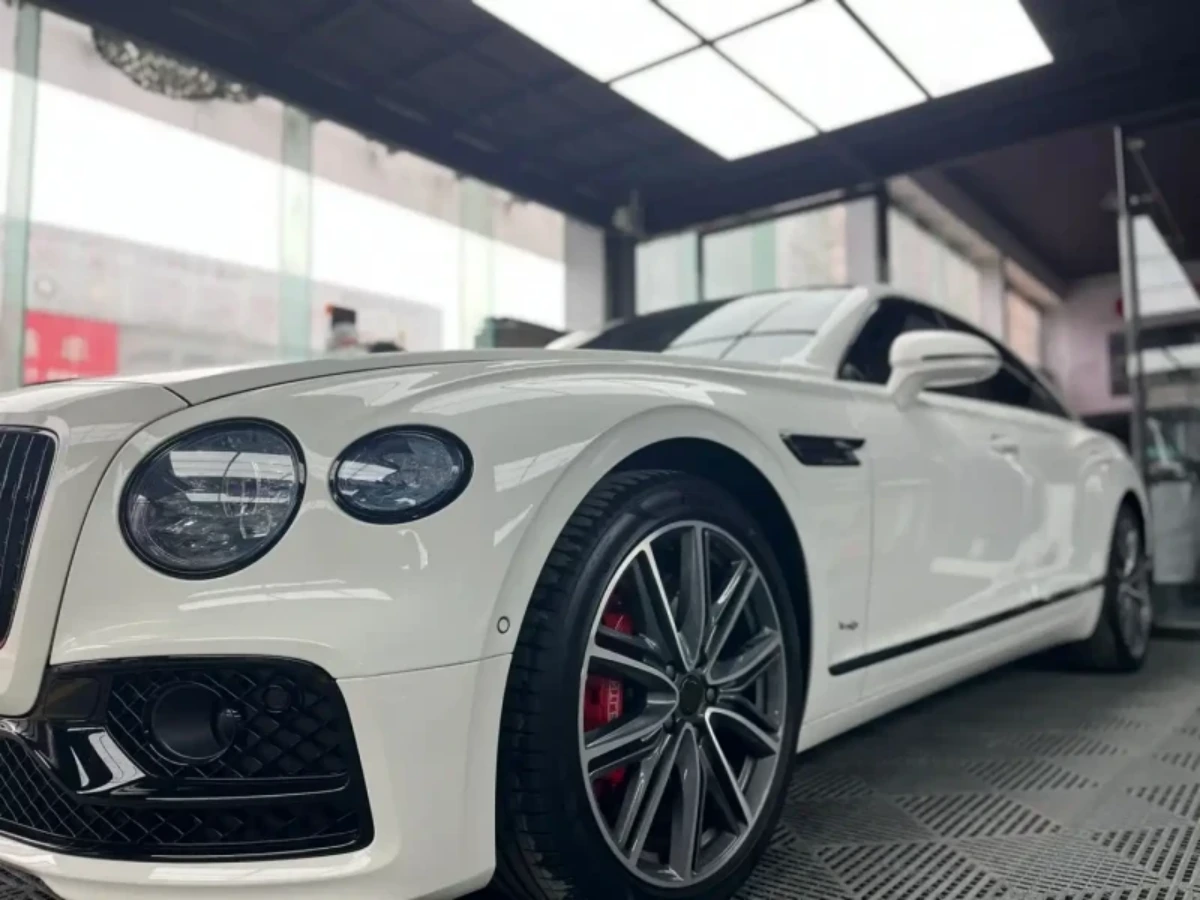
autoli TPU PPF Applied to all brand car models as Infiniti、Toyota、McLaren、Chevrolet、Lincoln、Audi.Our factory cooperates with ppf installation、Car Customization Shop、Auto Spa and all so in many countries and regions around the world,like Sweden,Costa Rica,Ireland,Romania,Mexico,Uruguay,Warranty: 10 years.Our advantages:Short production cycle, quick delivery;Large stock of styles for you to choose from;High quality raw materials and advanced technology.Our factory also provides Window tint、car film.