

PPF with ceramic particles cuts interior temp by 5-8℃, lowering AC load by 15% and improving energy efficiency for EVs.,Withstands -40℃ to 80℃ extreme temperatures.,Team Up with Our Factory: PPF Deals That Turbocharge Your Profit Gains.
The production supply chain and quality control system of PPF:
- Calibration Schedules – Regular verification of testing equipment (gages, spectrometers) to ensure measurement accuracy.
- Quality Metrics Dashboard – Real-time monitoring of PPM (parts per million) defects, yield rates, and CPK values.
- Corrective Action Plans – Documented steps to address out-of-spec results, with timelines for implementation and verification.
- Regulatory Compliance Support – Suppliers providing documentation for REACH, FDA, and OEM material approvals.
- Maintenance Parts Logistics – Localized inventory of extrusion die parts and coating rollers to minimize downtime.
- Strategic Stockpiles – 3–6 month reserves of critical materials during high-demand periods or supply chain disruptions.
- Raw Material Testing Protocols – Incoming TPU resin inspections for melt flow rate, tensile strength, and impurity levels.
- Carbon Footprint Tracking – Lifecycle analysis of supply chain emissions, with reduction targets for transportation and production.
The user perception and consumption misconceptions of PPF:
- Consumer Misconception: “New Car Paint Is ‘Protected’ from Factory” – Trusting factory clear coats alone, unaware they lack the impact resistance of PPF.
- Consumer Misconception: “Lifetime Warranty Means Forever” – Misunderstanding that “lifetime” warranties cover all damage, when most exclude improper maintenance or extreme impacts.
- Consumer Misconception: “PPF Is Only for Exteriors” – Overlooking interior applications, missing opportunities to protect door sills and touchscreens.
- Correct Perception: Lease Protection Value – Leaseholders use PPF to avoid $500 end-of-term fees, with 95% passing inspections without paint-related charges.
- Correct Perception: EV-Specific PPF Benefits – EV owners prioritize heat-resistant PPF for battery zones, reducing thermal damage risks during charging.
- Correct Perception: Long-Term Cost Savings – 68% of users understand PPF reduces repaint costs over 5 years, aligning with data showing $2,000 savings on luxury vehicles.
- Correct Perception: Pre-Cut vs. Hand-Cut Tradeoffs – Users understand pre-cut kits save time, while hand-cut offers better precision on complex curves.
The extension of PPF’s functions:
- Before: Door window weatherstripping with paint worn where it contacts glass; After: PPF lines contact areas, hiding wear and reducing friction damage.
- Before: Exhaust manifold heat shield with paint burned off; After: High-heat PPF covers shield, restoring appearance and resisting further heat damage.
- Before: A 10-year-old car shows extensive swirl marks and sun fade; After: PPF application hides defects and restores 90% of original gloss, making it look 5 years newer.
- Before: Fuel door with faded paint from repeated opening/closing; After: PPF covers wear patterns and reduces friction, maintaining a like-new appearance.
- Before: Door window trim with peeling black paint; After: PPF’s color-stable film covers trim, restoring uniform appearance and preventing further peeling.
- Before: Rear wiper blade pivot point with rust; After: PPF seals the pivot, covering rust and preventing water from accelerating corrosion.
- Before: Faded red paint with uneven color from UV exposure; After: UV-blocking PPF revives depth and uniformity, making the color pop like fresh factory paint.
- Before: Engine bay plastic components faded from heat; After: Heat-resistant PPF covers plastics, restoring color and blocking engine heat damage.
- Before: Matte finish dulled by oxidation and fine scratches; After: Matte-specific PPF preserves texture while restoring vibrancy, eliminating “shiny spots” from wear.
The regulations of PPF and after-sales services:
- Lifetime Warranty Programs – Premium PPF brands like 3M offer 7-year warranties on Pro Series films, covering defects like delamination and yellowing, while excluding wear and tear or improper installation .
- Cross-Industry Regulatory Alignment – PPFs used in electronics or aerospace must comply with sector-specific standards (e.g., FCC for electronics), expanding regulatory complexity .
- WEEE Directive Compliance – End-of-life PPF must be recycled in accordance with the EU’s WEEE directive, promoting circular economy practices for electronic and automotive waste .
- Certified Installer Networks – Brands like Eastman (DragonFilm) enforce tiered certification programs (e.g., 1-star to 7-star) to ensure standardized installation practices and warranty validity .
- Post-Installation Inspections – Professional installers like NAR PPF conduct post-installation checks to ensure edge sealing and material adherence, minimizing warranty claims .
- Blockchain Warranty Verification – 3M utilizes blockchain to secure digital warranties, enabling traceable ownership transfers and fraud prevention .
The market trends and industry changes of PPF:
- TPU Dominance in Material Innovation – Thermoplastic polyurethane (TPU) films now account for 25% of global PPF installations, with self-healing TPU shipments rising 38% since 2021 due to superior scratch resistance and durability.
- Aftermarket Warranty Innovations – Lifetime warranties on select PPF products (e.g., Aegis Eternal 400) are becoming standard, reflecting manufacturer confidence in material durability and performance.
- Premiumization Amid Inflation – Luxury PPF prices rose 12% in 2024, while budget options stayed stable, as brands prioritize high-margin segments.
- Recyclable Packaging Mandates – 80% of PPF brands now use recycled cardboard and biodegradable film wrap for packaging, aligning with EU packaging laws.
- Regulatory Compliance in Manufacturing – Stringent environmental regulations (e.g., EU REACH) are pushing PPF producers to adopt solvent-free adhesives and energy-efficient production processes, reducing carbon footprints by up to 80%.
- Detailing Chain Partnerships – PPF brands are collaborating with chains like Detail Garage, offering co-branded training and product bundles to expand reach.
Before & After: How PPF Transforms a 10-Year-Old Car:
- Before: Front license plate bracket mounting holes with rust around them; After: PPF covers hole perimeters, hiding rust and preventing corrosion spread.
- Before: Side marker lights with cracked lenses from impacts; After: PPF’s impact absorption covers minor cracks and prevents lens breakage.
- Before: Rear wiper arm base with rust and paint peeling; After: PPF seals the base, covering rust and preventing water intrusion that causes further damage.
- Before: Windshield trim with peeling paint and cracks; After: PPF wraps trim edges, hiding peeling and preventing water intrusion that causes further damage.
- Before: Fender flare mounting screws with rust around heads; After: PPF covers screw heads, hiding rust and preventing water from worsening corrosion.
- Before: Gas cap hinge with rust and paint peeling; After: PPF covers hinge area, hiding rust and preventing moisture from worsening damage.
- Before: Side vent louvers with paint chipping on edges; After: PPF covers louver edges, hiding chips and preventing debris from catching and causing more damage.
- Before: Door panels (exterior) with handprint stains and smudges; After: PPF’s non-porous surface hides stains and wipes clean easily, resisting new smudges.
- Before: Side vent grilles with dust buildup and paint chipping; After: PPF covers grille edges, hiding chips and simplifying cleaning of dust-prone areas.
TPU PPF VS PET PPF:
- Thermal Cycling Performance – TPU PPF survives 500 freeze-thaw cycles, while PET PPF shows cracking after 200 cycles.
- Temperature Tolerance – TPU PPF withstands -40°C to 80°C without cracking, unlike PET PPF which becomes brittle below 0°C.
- Outdoor Storage Performance – TPU PPF-protected vehicles show 70% less fading in outdoor storage, compared to 30% reduction with PET PPF.
- High-Speed Performance – TPU PPF resists stone chips at 120km/h, while PET PPF fails at 80km/h in highway tests.
- Industrial Applications – TPU PPF suits off-road vehicles and heavy machinery, whereas PET PPF is limited to low-impact urban use.
- User Satisfaction – 90% of TPU PPF users report satisfaction after 3 years, compared to 60% satisfaction with PET PPF.
- Durability Rating – TPU PPF achieves 50,000 Taber abrasion cycles, compared to PET PPF’s 15,000-cycle rating.
- Dust Repellency – TPU PPF’s nano-textured surfaces reduce dust adhesion by 40%, while PET PPF attracts 25% more surface dust.
- Cost Structure – TPU PPF costs 2–3x more upfront than PET PPF but offers 3–5x longer service life, reducing long-term costs.
The horizontal comparison of PPF with other protection methods:
- PPF vs. Graphite Coatings – Graphite coatings reduce friction on metal parts but don’t protect paint, unlike PPF which shields exterior surfaces from physical damage.
- PPF vs. Liquid Glass Coatings – Liquid glass offers 6–12 months of chemical resistance but lacks physical impact protection, while PPF combines 5 years of scratch defense with self-healing capabilities.
- PPF vs. Clear Bra (Old-Generation) – Modern PPF offers self-healing and flexibility, outperforming rigid old-gen clear bras that crack in cold weather and lack repair abilities.
- PPF vs. Acrylic Sealants – Acrylic sealants offer temporary gloss (3–6 months) without impact resistance, while PPF adds a physical layer shielding against chips and scratches.
- PPF vs. Rubberized Undercoating – Undercoating protects metal from rust, while PPF defends painted surfaces from road debris, with non-overlapping application zones.
- PPF vs. Rust Proofing Treatments – PPF shields exterior paint from corrosion triggers (salt/sand), while rust proofing targets metal undercarriages, with complementary roles in full protection.
Why TPU PPF:
- Color Options – Available in 20 powder-coat colors, including white, black, bronze, and wood grain finishes.
- Weather Durability – Withstands extreme temperatures (-40°C to 60°C) without warping, cracking, or rotting.
- Eco-Friendly Production – Aluminum manufacturing emits 90% less CO? when using recycled materials.
- Brand Consistency – Uniform finishes across commercial locations for brand identity.
- Low Carbon Footprint – 50% lower embodied energy than steel pergolas over their lifecycle.
- Space Optimization – Open rafter designs maximize usable space without visual clutter.
AUTOLI(CN) PPF(Paint Protection Film) manufacturer
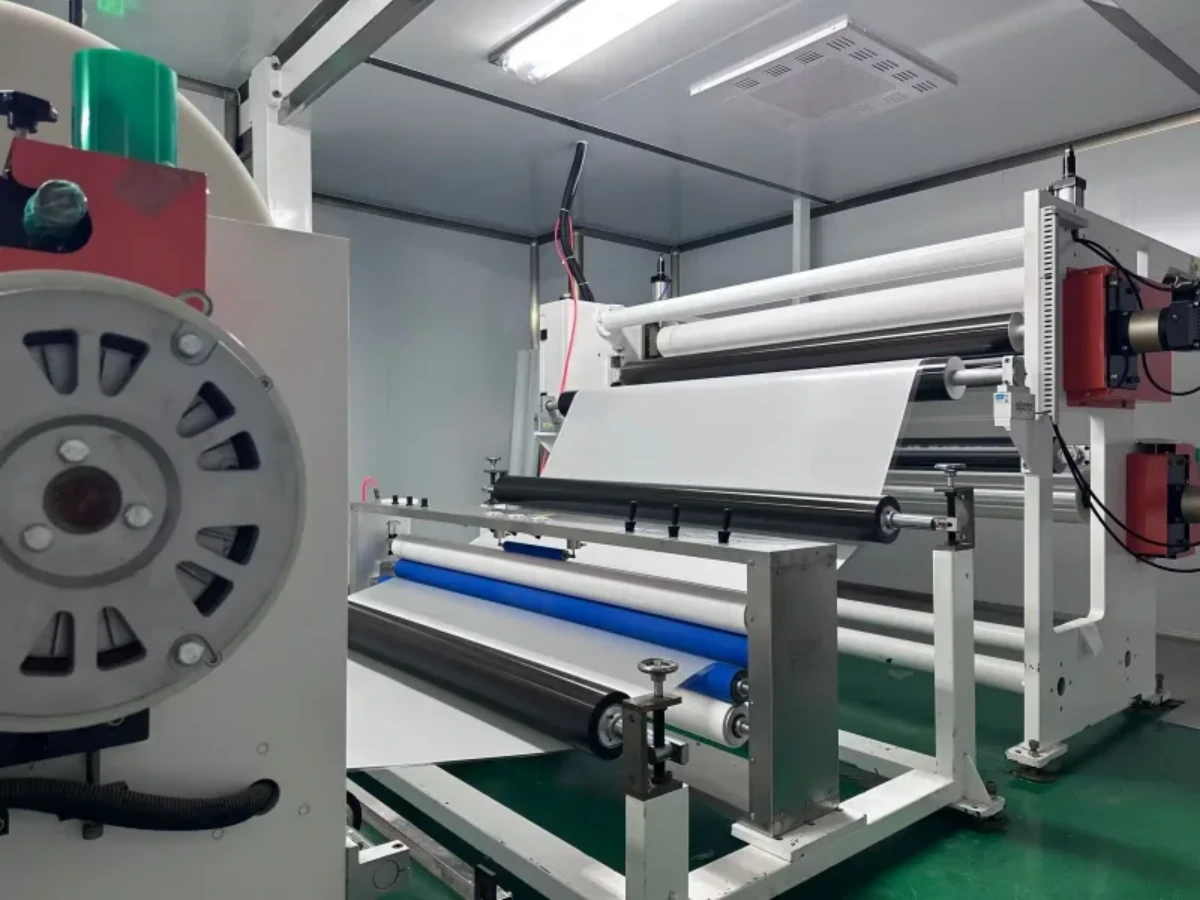
autoli TPU PPF Applied to all brand car models as acura、bmw、Mazda、Ferrari.Our factory cooperates with car Detail、PPF distributor、Car Customization Shop、PPF wholesale、AutoZone and all so in many countries and regions around the world,like Brunei Darussalam,Malaysia,Uruguay,Macedonia,Warranty: 10 years.Our advantages:Our customers are all over the world;Your Key to Profitable PPF Ventures;High quality raw materials and advanced technology;Perfect after-sales service;Raw material purchasing advantage.Our factory also provides PPF、Window tint、Car PPF.